

Operation Process and Working Principle of Powder Pneumatic Conveying in Petrochemical Industry
HeadPowder, a leading provider of engineering solutions, specializes in the design, manufacturing, and installation of pneumatic conveying systems tailored for the petrochemical sector. This article delves into the operational process and underlying principles of powder pneumatic conveying, offering insights into how these systems efficiently transport bulk materials in industrial settings.
Understanding the Core Components of a Pneumatic Conveying System
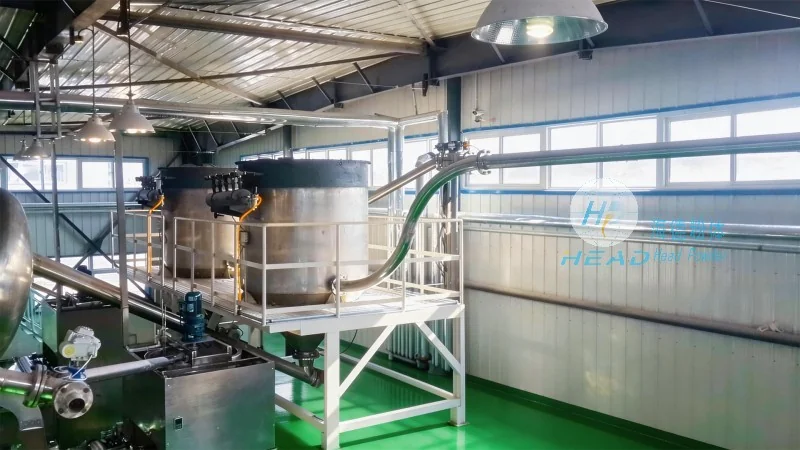
The pneumatic conveying system for powder handling in petrochemical applications typically consists of several key components. These include the material hopper or silo, which stores the bulk powder; a conveying line (usually a pipe) that transports the material; a compressor or blower that generates the air flow; and a control system that regulates the operation. Each component plays a crucial role in ensuring the system operates efficiently and safely.
The Operation Process: From Material Loading to Delivery
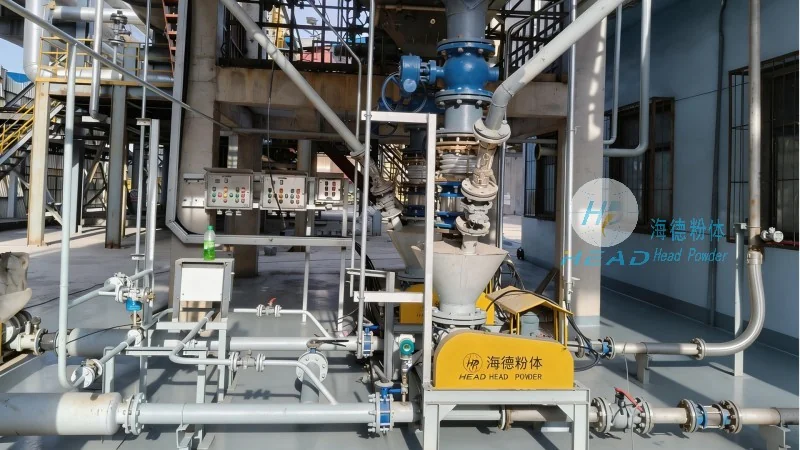
The operational process of a powder pneumatic conveying system begins with material loading into the hopper. As the material is fed into the system, the compressor starts and generates a high-pressure air stream. This air stream creates a negative pressure or positive pressure environment within the conveying line, depending on the system design. The powder is then entrained by the air and transported through the pipeline to the destination point, such as a processing unit or storage tank. The system's control panel monitors the flow rate, pressure, and other parameters to maintain optimal performance.
Working Principle: Air-Flow Dynamics and Material Entrainment
The working principle of pneumatic conveying relies on the physics of fluid dynamics and particle transport. When air is forced through the conveying line at a sufficient velocity, it creates a drag force on the powder particles, causing them to be lifted and carried along with the air stream. The key factors influencing this process include the air velocity, particle size, density, and the design of the conveying line (e.g., straight sections, bends, and expansion joints). Proper design ensures that the air velocity is high enough to entrain the particles but not so high as to cause excessive wear or energy consumption.
Advantages of Pneumatic Conveying in Petrochemical Applications
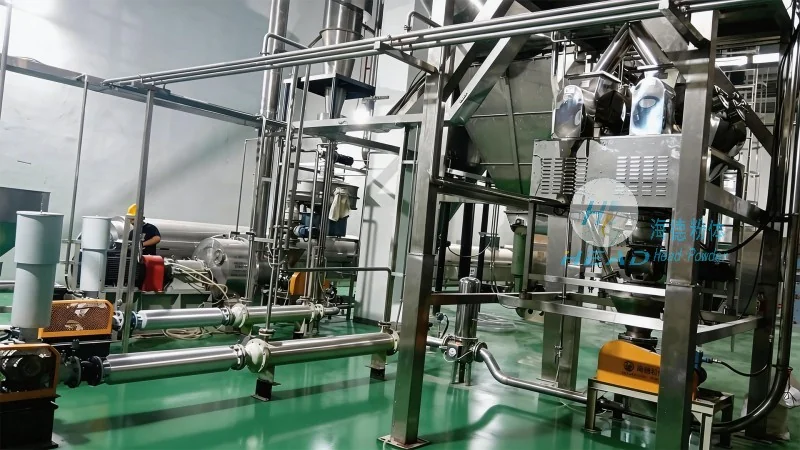
Pneumatic conveying systems offer several advantages over traditional mechanical conveying methods in petrochemical industries. These include the ability to transport materials over long distances, handle a wide range of powder characteristics (from fine to coarse particles), and maintain a closed system that prevents dust contamination and environmental pollution. Additionally, these systems can be integrated with other processing equipment, such as reactors and mixers, to streamline production processes and enhance overall efficiency.
Applications in the Petrochemical Sector
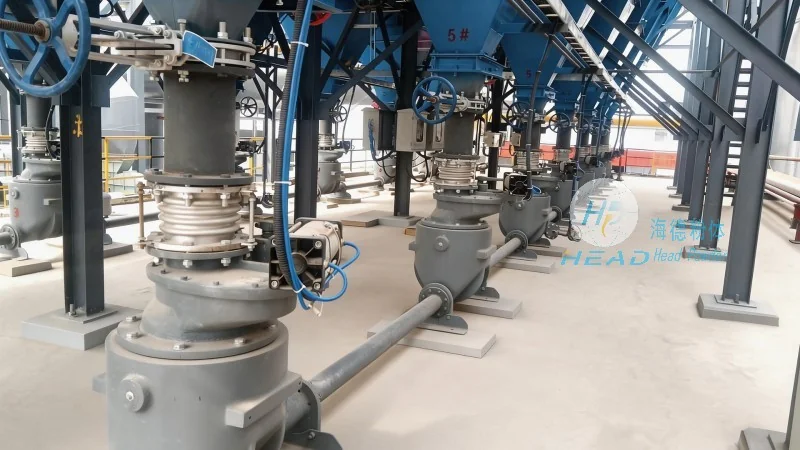
HeadPowder's pneumatic conveying solutions are widely used in various petrochemical applications, including the transport of catalysts, additives, and other fine powders used in chemical reactions. These systems are also employed in the handling of raw materials and finished products, ensuring smooth and continuous production cycles. By leveraging advanced engineering and material handling expertise, HeadPowder delivers customized solutions that meet the specific requirements of each petrochemical facility.
Conclusion and Company Overview
HeadPowder Engineering Co., Ltd., based in Shandong, China, is a trusted partner for petrochemical companies seeking reliable and efficient powder handling solutions. Our expertise in pneumatic conveying systems, combined with a commitment to quality and innovation, ensures that our clients receive systems that operate with high efficiency, minimal downtime, and optimal safety. By understanding the unique challenges of the petrochemical industry, we design and implement solutions that enhance productivity and reduce operational costs.