

Operation Process and Working Principle of Phosphorus Pentoxide Powder Pneumatic Conveying
Phosphorus pentoxide powder pneumatic conveying is a critical technology in material handling, particularly for handling phosphorus pentoxide, a highly reactive and hygroscopic substance. This process involves the use of air or other gas to transport powder materials through a pipeline system. Understanding its operation process and working principle is essential for optimizing efficiency and ensuring safety in industrial applications.
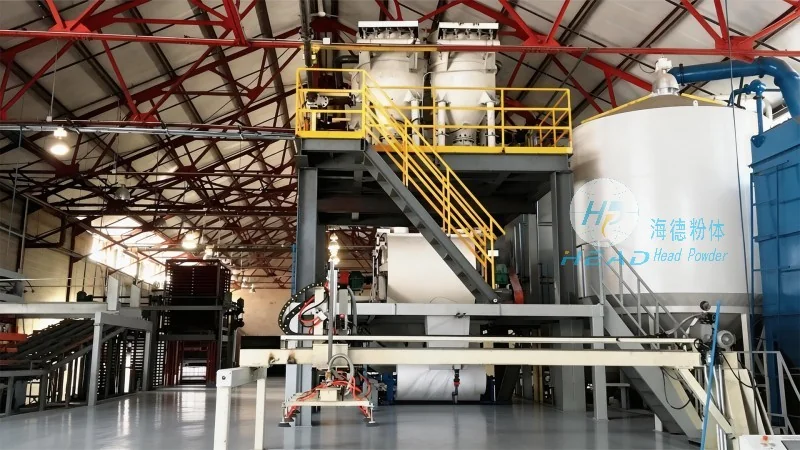
Introduction to Phosphorus Pentoxide Powder Pneumatic Conveying
Phosphorus pentoxide (P₂O₅), also known as diphosphorus pentoxide, is a white solid that readily absorbs moisture from the air, forming phosphoric acid. Due to its high reactivity and hygroscopic nature, conventional methods of powder handling, such as belt conveyors or bucket elevators, are often unsuitable. Pneumatic conveying offers a solution by transporting the powder in a sealed system, minimizing exposure to moisture and air, thereby preserving the material's properties and ensuring safe operation.
Working Principle of Pneumatic Conveying Systems
The core principle of pneumatic conveying is to use a fluid (usually air) to move solid particles through a pipeline. In the case of phosphorus pentoxide, the system typically operates under pressure, where compressed air is introduced into the conveying line. The air creates a flow that lifts and transports the powder particles. The system can be categorized into two main types: pressure and vacuum. Pressure systems use a positive pressure source to push the material through the line, while vacuum systems use a negative pressure to draw the material in. For phosphorus pentoxide, which is sensitive to moisture, pressure systems are often preferred as they provide better control over the environment and reduce the risk of moisture ingress.
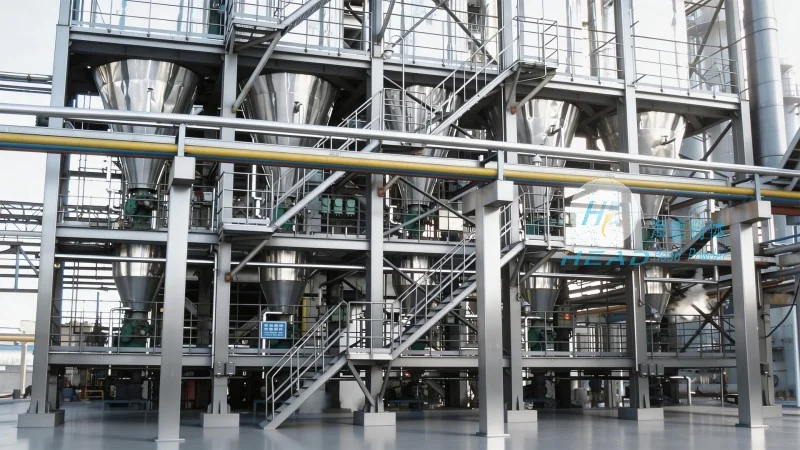
Key Components of the Pneumatic Conveying System
A typical pneumatic conveying system for phosphorus pentoxide includes several key components. These include a hopper or feeder to store and feed the powder, a compressor or blower to generate the necessary air pressure, a pipeline network to transport the material, and a receiver or discharge point to collect the conveyed powder. Additionally, the system may include filters, cyclones, and dust collectors to ensure the air is clean and the material is free from contaminants. The design of these components is critical to the efficiency and reliability of the conveying process.
Operation Process of Phosphorus Pentoxide Powder Pneumatic Conveying
The operation process of a phosphorus pentoxide powder pneumatic conveying system involves several sequential steps. First, the powder is loaded into the hopper or feeder. The feeder then controls the flow rate of the powder into the conveying line. Simultaneously, the compressor or blower generates the required air pressure. The air is introduced into the pipeline, creating a flow that lifts the powder particles and transports them to the receiver. The receiver is typically a sealed container that collects the conveyed powder, preventing any exposure to the environment. The system may also include a control system that monitors the pressure, flow rate, and other parameters to ensure optimal operation. Regular maintenance of the system components, such as the compressor, filters, and pipeline, is essential to maintain performance and prevent downtime.
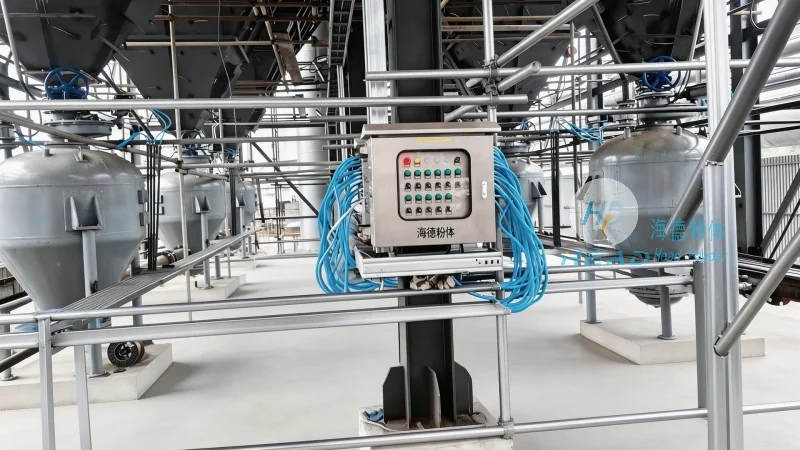
Advantages and Considerations for Phosphorus Pentoxide Pneumatic Conveying
Pneumatic conveying offers several advantages for handling phosphorus pentoxide. These include the ability to transport the powder in a sealed system, which minimizes contamination and preserves the material's properties. The system is also relatively compact and can be integrated into existing industrial setups. However, there are also considerations to keep in mind. For example, the high reactivity of phosphorus pentoxide means that the system must be designed to prevent moisture ingress and maintain a dry environment. Additionally, the system requires regular maintenance to ensure that the components are functioning properly and to prevent the buildup of dust or other contaminants. The choice between pressure and vacuum systems depends on the specific application and the distance and height the powder needs to be transported.
About Shandong HeadPowder Engineering Co., Ltd.
Shandong HeadPowder Engineering Co., Ltd., commonly known as HeadPowder, is a leading provider of engineering solutions for powder handling systems. With a focus on phosphorus pentoxide and other reactive powders, the company specializes in designing and manufacturing pneumatic conveying systems that meet the highest standards of efficiency, safety, and reliability. HeadPowder's expertise in material handling technology ensures that their systems are tailored to the specific needs of each application, providing customers with a cost-effective and sustainable solution for their powder transport requirements. The company is committed to delivering quality products and services, with a strong emphasis on customer satisfaction and long-term partnerships.