

Operation Process and Working Principle of Beer Brewery Pelletized Waste Solids Pneumatic Conveying
Beer brewery operations generate substantial amounts of solid waste, commonly known as brewery waste or spent grain. The efficient handling and transportation of these waste materials are critical for maintaining operational efficiency and environmental compliance. The Beer Brewery Pelletized Waste Solids Pneumatic Conveying System, developed by Shandong HeadPowder Engineering Co., Ltd. (hereinafter referred to as HeadPowder), addresses these challenges by providing a reliable and effective solution for transporting pelletized waste solids. This system is designed to handle the unique characteristics of beer brewery waste, ensuring safe, clean, and efficient material transport within industrial settings.
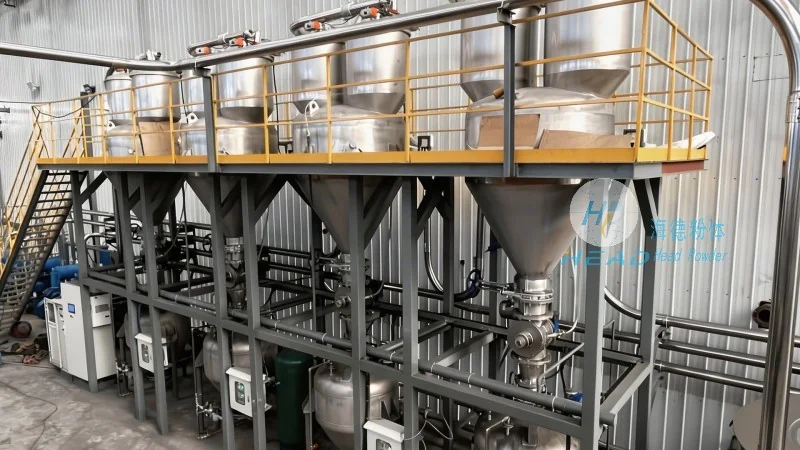
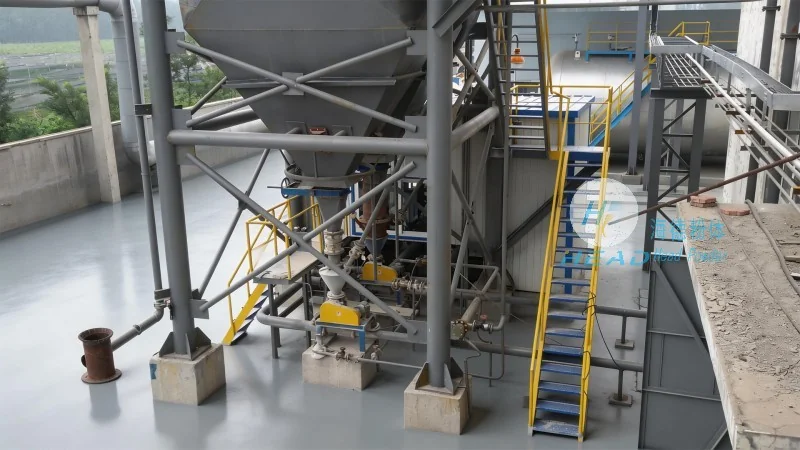
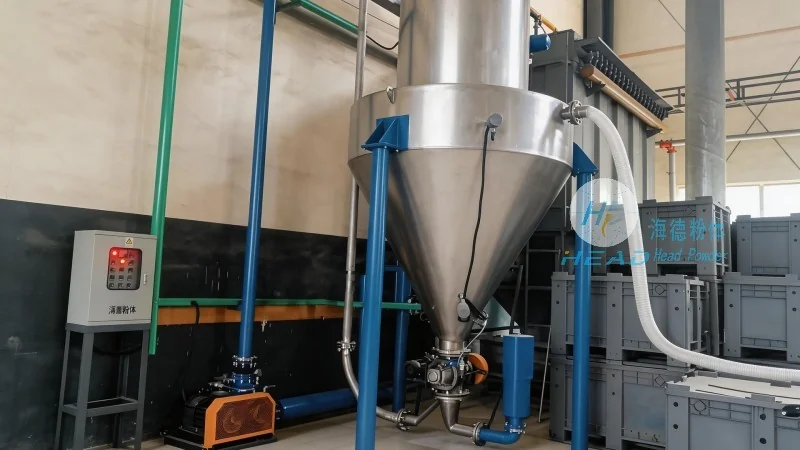
System Overview and Key Components
The Beer Brewery Pelletized Waste Solids Pneumatic Conveying System is a specialized pneumatic conveying solution tailored for the transportation of pelletized waste solids from beer brewing processes. The system typically consists of several key components, including a hopper for material storage, a rotary valve or feeder for controlled material discharge, a conveying pipeline network, a blower or air compressor to generate the necessary air pressure, and a collection bin or discharge point. Each component plays a crucial role in the overall operation, working in concert to ensure smooth and continuous material transport. The system is engineered to handle the specific properties of pelletized brewery waste, such as particle size, moisture content, and bulk density, which can vary depending on the brewing process and waste treatment methods.
Working Principle of the Pneumatic Conveying System
The core of the Beer Brewery Pelletized Waste Solids Pneumatic Conveying System is the pneumatic conveying mechanism, which utilizes air or gas to transport solid materials through a pipeline. The system operates on the principle of creating a pressure differential between the material source and the discharge point. Here's a step-by-step breakdown of the working process: