

Operation Process and Working Principle of the Gypsum Powder Pneumatic Conveying System
For industrial applications involving the handling of gypsum powder, an efficient and reliable pneumatic conveying system is essential. This article provides a detailed overview of the operation process and working principle of the gypsum powder pneumatic conveying system, highlighting its key components, operational steps, and the technical aspects that ensure smooth material transport. The information is presented by Shandong HeadPowder Engineering Co., Ltd., a leading provider in the field, based in China.
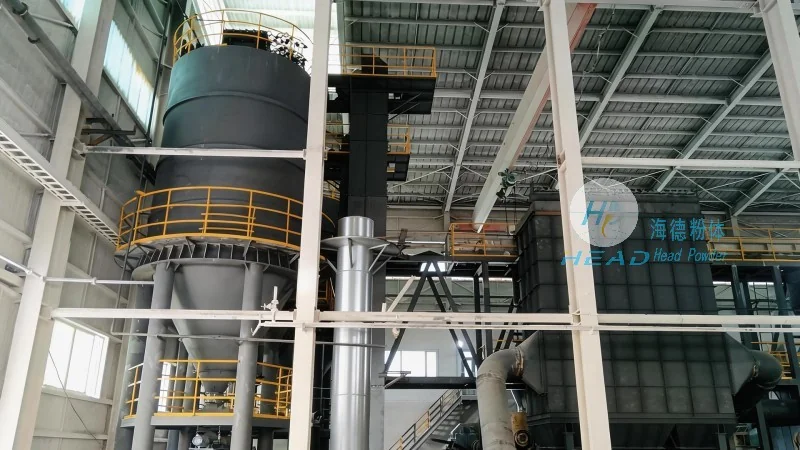
Introduction to Gypsum Powder Pneumatic Conveying Systems
Gypsum powder, commonly used in construction materials, plaster, and other industrial products, requires specialized handling due to its fine particle size and potential for dust generation. Pneumatic conveying systems offer a solution by transporting dry powders through a network of pipes using air or gas as the conveying medium. This method eliminates the need for mechanical components like belts or buckets, reducing maintenance and improving safety. The system’s design is tailored to handle the specific properties of gypsum powder, ensuring minimal product degradation and consistent performance.
Key Components of the Gypsum Powder Pneumatic Conveying System
The gypsum powder pneumatic conveying system consists of several critical components that work in tandem to achieve efficient material transport. These include:
1. Feeder or Hopper: The system starts with a hopper or feeder that stores the gypsum powder. This component ensures a consistent feed rate, preventing blockages and maintaining stable material flow into the system.
2. Air Supply Unit: A blower or compressor provides the necessary air pressure to generate the conveying air. The air supply unit is designed to deliver the required volume and pressure to move the gypsum powder through the pipeline.
3. Conveying Pipe: The main pipeline where the gypsum powder is transported. The pipe is typically made of materials resistant to corrosion and abrasion, such as stainless steel or plastic, to withstand the abrasive nature of gypsum particles.
4. Separation and Collection System: At the end of the conveying line, a separator or cyclone is used to separate the gypsum powder from the air stream. The collected powder is then discharged into a storage bin or processing unit.
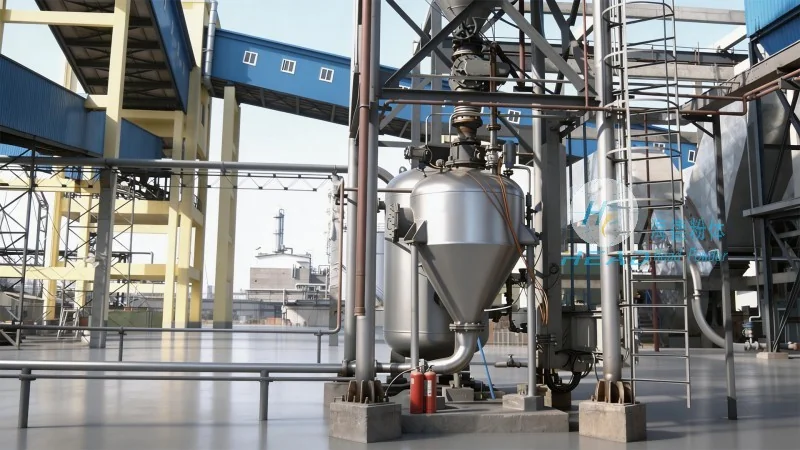
5. Control and Monitoring System: Modern systems include sensors and control panels to monitor pressure, flow rate, and other parameters, ensuring optimal operation and early detection of any issues.
Working Principle of the Gypsum Powder Pneumatic Conveying System
The working principle of the gypsum powder pneumatic conveying system is based on the principle of fluidization and suspension of the powder particles in the air stream. When air is introduced into the hopper or feeder, it creates a low-pressure zone that draws the gypsum powder into the conveying pipe. The air velocity is maintained at a level sufficient to keep the powder particles suspended, preventing them from settling or clogging the pipe.
As the air and powder mixture travels through the pipeline, it passes through various sections, including bends and changes in pipe diameter. The system’s design, including the use of appropriate pipe diameters and smooth bends, minimizes pressure losses and ensures consistent flow. The separation system at the end of the line uses centrifugal force to separate the powder from the air, allowing the air to be recirculated or vented, while the powder is collected for further use.
Operation Process of the Gypsum Powder Pneumatic Conveying System
The operation process of the gypsum powder pneumatic conveying system involves several sequential steps, each critical to the overall efficiency and reliability of the system. The process begins with the loading of gypsum powder into the hopper. The feeder then regulates the feed rate, ensuring a steady supply of material into the system.
Next, the air supply unit activates, providing the necessary pressure and volume of air to start the conveying process. The air is introduced into the hopper, creating a vacuum that draws the gypsum powder into the conveying pipe. The powder particles are suspended in the air stream and transported to the destination point.
During the conveying process, the system continuously monitors key parameters such as pressure, flow rate, and temperature. Any deviations are detected by the control system, which may adjust the air supply or feed rate to maintain optimal conditions. The conveying line may include multiple branches or loops, allowing for the distribution of the gypsum powder to different processing units or storage locations.
At the receiving end, the separation system operates to separate the gypsum powder from the air. The collected powder is then discharged into a storage bin or processing equipment. The air, now free of powder, is either recirculated back to the system or vented to the atmosphere, depending on the system design and environmental regulations.
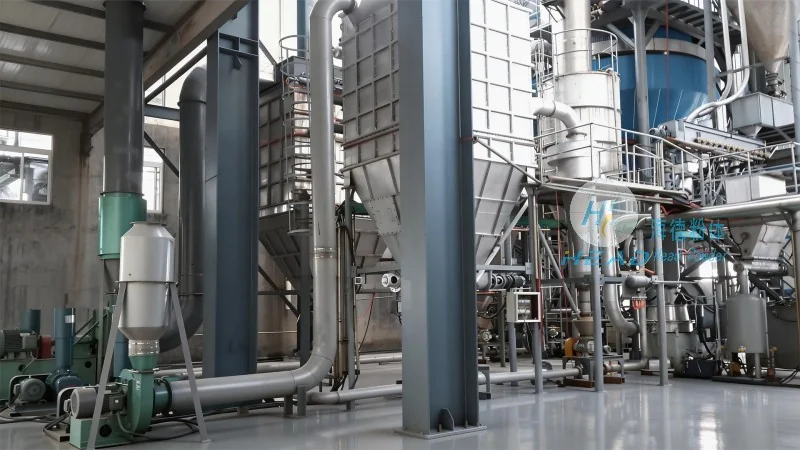
Advantages of the Gypsum Powder Pneumatic Conveying System
The gypsum powder pneumatic conveying system offers several advantages over traditional mechanical conveying methods. These include:
1. Reduced Maintenance: With no moving parts in the conveying line, the system requires minimal maintenance, reducing downtime and operational costs.
2. Improved Safety: The enclosed system prevents dust emissions and reduces the risk of accidents associated with mechanical handling equipment.
3. Efficient Material Transport: The system can transport gypsum powder over long distances with high efficiency, maintaining the quality and consistency of the material.
4. Flexibility: The system can be easily adapted to different production requirements, including changes in feed rate or destination points.
Conclusion
The gypsum powder pneumatic conveying system, as described by Shandong HeadPowder Engineering Co., Ltd., is a highly effective solution for handling gypsum powder in industrial applications. By understanding the operation process and working principle, users can optimize the system for their specific needs, ensuring efficient and reliable material transport. The system’s design, components, and operational steps are tailored to the unique properties of gypsum powder, making it a preferred choice for industries requiring high-quality powder handling solutions.