

Operation Process and Working Principle of Molybdenum Oxide Powder Pneumatic Conveying System
Shandong HeadPowder Engineering Co., Ltd., a leading enterprise in the field of powder processing technology, specializes in the design, manufacturing, and application of advanced pneumatic conveying systems. This article focuses on the operation process and working principle of a molybdenum oxide powder pneumatic conveying system, which is widely used in industrial production for efficient and safe material transport.
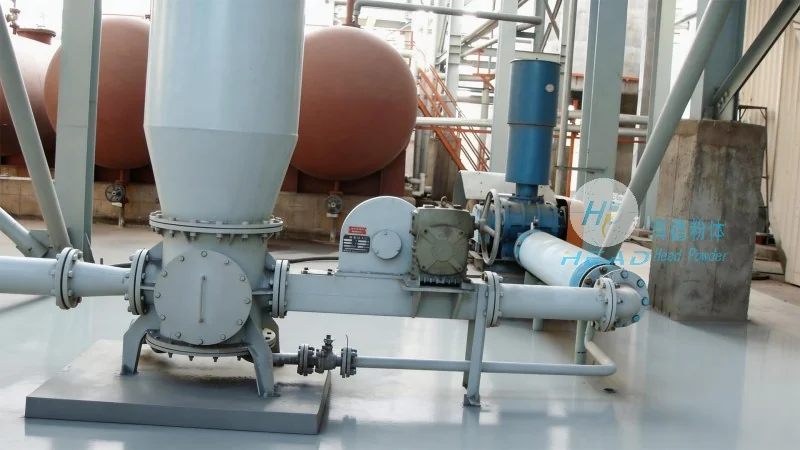
Overview of the Molybdenum Oxide Powder Pneumatic Conveying System
The molybdenum oxide powder pneumatic conveying system is a sophisticated industrial equipment designed to transport molybdenum oxide powder from the storage silo to the processing equipment, such as reactors or furnaces. The system integrates multiple components, including a feeding device, a conveying pipeline, a control system, and a dust collection unit, to ensure stable and reliable operation. The key advantage of this system lies in its ability to handle fine powders like molybdenum oxide, which are prone to dust and require a closed-loop transport to prevent environmental contamination and product loss.
Key Components and Their Functions
The pneumatic conveying system consists of several critical components, each playing a vital role in the overall operation. The feeding device, typically a rotary valve or a screw feeder, is responsible for controlling the flow rate of molybdenum oxide powder from the storage silo. It ensures a consistent and controlled supply of powder into the conveying pipeline. The conveying pipeline is made of materials resistant to corrosion and abrasion, such as stainless steel or special plastic, to withstand the chemical properties of molybdenum oxide and the friction from the powder particles. The pipeline system includes bends, elbows, and straight sections, which are designed to minimize pressure loss and maintain the flow stability. The control system, equipped with sensors and a programmable logic controller (PLC), monitors the pressure, flow rate, and temperature within the system, and adjusts the operation parameters in real-time to optimize performance and prevent equipment damage. The dust collection unit, often a cyclone separator or a bag filter, captures any fine particles that may escape from the pipeline, ensuring compliance with environmental regulations and maintaining a clean working environment.
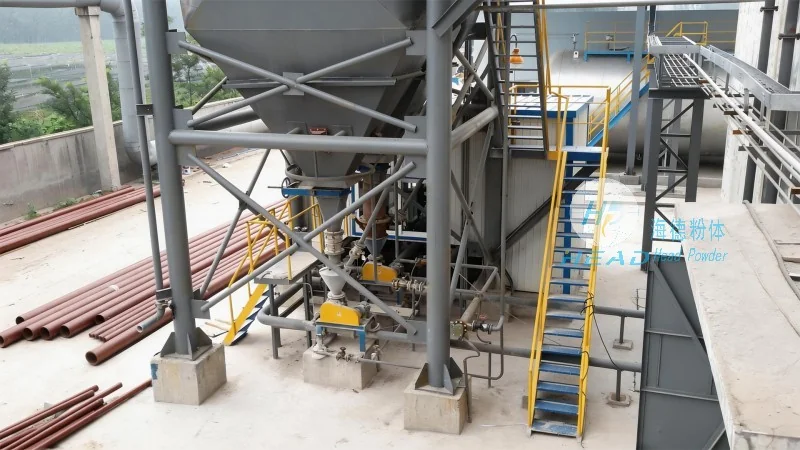
Operation Process of the Molybdenum Oxide Powder Pneumatic Conveying System
The operation process of the molybdenum oxide powder pneumatic conveying system can be divided into several sequential steps. First, the molybdenum oxide powder is stored in a silo under the feeding device. The rotary valve or screw feeder then starts to discharge the powder into the conveying pipeline at a pre-set flow rate. Simultaneously, the control system activates the air compressor, which generates a high-pressure air stream. The air stream, combined with the powder, forms a slurry that moves through the pipeline under the pressure of the air. The conveying pipeline is designed with appropriate slopes and bends to ensure the powder-air mixture flows smoothly to the destination point, such as a reactor or a processing unit. At the receiving end, a rotary valve or a hopper is used to discharge the powder into the processing equipment. The control system continuously monitors the pressure and flow rate, adjusting the air compressor speed or the feeding rate as needed to maintain stable operation. The dust collection unit is also active during the conveying process, capturing any fine particles that may be carried by the air stream and returning them to the conveying pipeline or the storage silo to prevent loss.
Working Principle of the Pneumatic Conveying System
The working principle of the molybdenum oxide powder pneumatic conveying system is based on the principle of pneumatic transport, which utilizes air as the conveying medium to move solid particles. There are two main types of pneumatic conveying systems: pressure type and vacuum type. The system described here is typically a pressure type system, where the air compressor provides the necessary pressure to push the powder-air mixture through the pipeline. The pressure type system is suitable for long-distance and high-capacity transport of fine powders like molybdenum oxide. The key working principle involves the creation of a high-pressure air stream that entrains the powder particles, forming a dense phase or dilute phase flow. The dense phase flow, also known as plug flow, involves the powder particles moving in a compacted form, which reduces the pressure drop and increases the conveying efficiency. The dilute phase flow, on the other hand, involves the powder particles suspended in the air stream, which is suitable for shorter distances and lower capacity transport. The control system optimizes the flow between these two phases to achieve the best performance for the specific application.
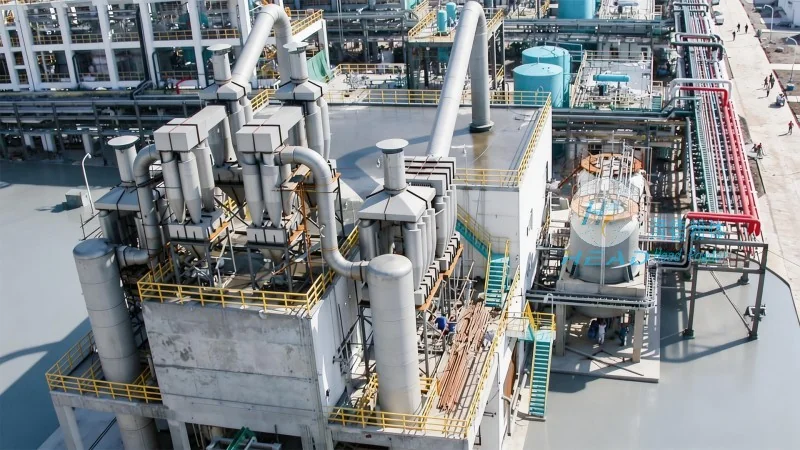
Advantages of the Molybdenum Oxide Powder Pneumatic Conveying System
The molybdenum oxide powder pneumatic conveying system offers several advantages over traditional mechanical conveying methods. Firstly, it provides a closed-loop transport system, which prevents dust contamination and product loss, ensuring high product purity. Secondly, the system is highly efficient in terms of energy consumption, as the air compressor can be adjusted to match the required flow rate, reducing energy waste. Thirdly, the system is flexible and can be easily integrated with other processing equipment, allowing for seamless production flow. Fourthly, the system is safe and reliable, with the control system monitoring all critical parameters to prevent equipment failure or accidents. Finally, the system is low maintenance, as the components are designed to withstand the abrasive and corrosive nature of molybdenum oxide powder, reducing downtime and maintenance costs.
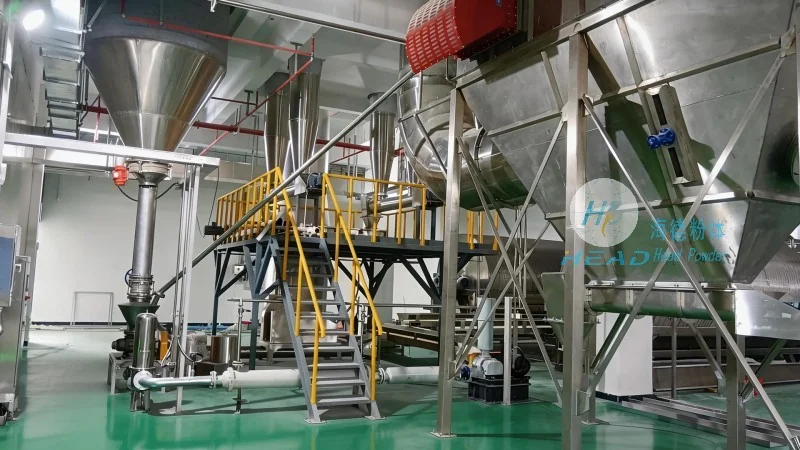
Application and Industrial Significance
The molybdenum oxide powder pneumatic conveying system is widely used in various industrial applications, particularly in the production of molybdenum-based materials, such as molybdenum disulfide, molybdenum trioxide, and molybdenum alloys. The system is also used in the chemical and pharmaceutical industries for the transport of fine powders. The efficient and safe transport of molybdenum oxide powder is crucial for maintaining the quality and consistency of the final products. The system's ability to handle fine powders and prevent dust contamination makes it an essential component in modern industrial production lines. By ensuring a stable and reliable supply of molybdenum oxide powder, the system contributes to the overall productivity and profitability of the manufacturing process.
Conclusion
In conclusion, the molybdenum oxide powder pneumatic conveying system is a sophisticated and efficient industrial equipment designed to transport fine powders like molybdenum oxide. The system's operation process involves a series of sequential steps, from powder feeding to receiving, with the control system monitoring and adjusting the operation parameters in real-time. The working principle is based on pneumatic transport, utilizing air as the conveying medium to move the powder particles. The system offers several advantages, including closed-loop transport, energy efficiency, flexibility, safety, and low maintenance. As a leading enterprise in powder processing technology, Shandong HeadPowder Engineering Co., Ltd. provides high-quality molybdenum oxide powder pneumatic conveying systems that meet the demanding requirements of modern industrial production. The system plays a crucial role in ensuring the efficient and safe transport of molybdenum oxide powder, contributing to the overall productivity and profitability of the manufacturing process.