

Operation Process and Working Principle of Sand and Gravel Powder Pneumatic Conveying Equipment
HeadPowder, a leading manufacturer based in Shandong, China, specializes in the design and production of advanced pneumatic conveying equipment tailored for handling sand, gravel, and other fine powders. This article provides a detailed overview of the operational process and underlying principles of such systems, offering insights into their efficiency and reliability in industrial applications.
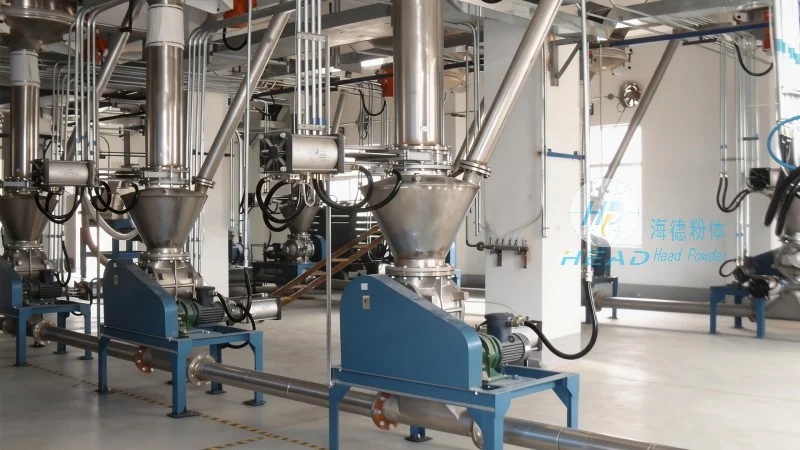
Understanding Pneumatic Conveying Technology
Pneumatic conveying systems utilize air or gas to transport bulk materials like sand and gravel powders through a pipeline network. The core components typically include a material feed hopper, a conveying line, a separation or collection unit, and a dust collection system. The process begins with the material being fed into the hopper, where it is then drawn into the conveying line by a vacuum or pressure source. This method eliminates the need for mechanical components like belts or buckets, reducing maintenance and increasing operational safety.
The Operational Process of Sand and Gravel Powder Conveying
1. Material Loading and Preparation: The sand or gravel powder is stored in a bulk container and fed into the system's hopper. The hopper is equipped with a feeder mechanism, such as a rotary valve or a screw feeder, which controls the flow rate of the material into the conveying line. This step ensures a consistent and controlled supply of the powder, preventing overloading or underflow that could disrupt the system.
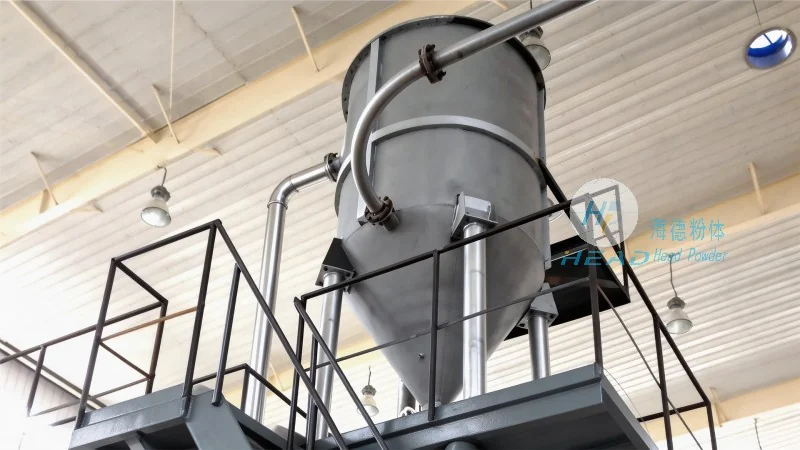
2. Conveying via Airflow: Once the material is in the hopper, a fan or blower generates the necessary airflow. In a vacuum system, the fan creates a negative pressure that pulls the material and air mixture through the pipeline. In a pressure system, the fan pushes air and material through the line. The velocity of the air is critical; it must be sufficient to lift and transport the powder without causing excessive wear on the equipment or causing the material to settle prematurely.
3. Material Separation and Collection: At the end of the conveying line, the material is separated from the air. This is typically achieved using a cyclone separator or a filter. The cyclone uses centrifugal force to separate the heavier particles from the air, directing the powder to a collection bin. The air, now clean, is either vented to the atmosphere or recirculated through the system, depending on the design. This separation step is crucial for maintaining the purity of the conveyed material and preventing dust contamination in the receiving area.
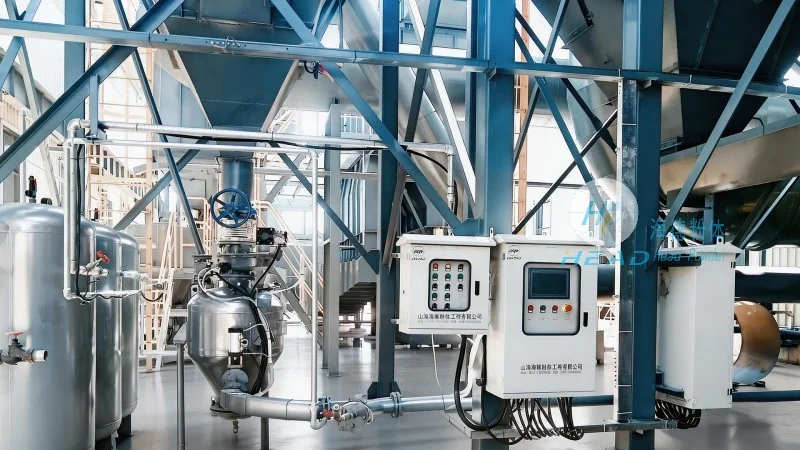
4. Dust Control and Environmental Compliance: Pneumatic conveying systems generate dust, which can be a health and safety hazard. To mitigate this, the system includes a dust collection system, often integrated with the separation unit. This system captures any airborne particles, ensuring that the air released is clean and compliant with environmental regulations. Proper maintenance of the dust collection equipment is essential to prevent clogging and maintain efficient operation.
Key Working Principles and Advantages
The effectiveness of pneumatic conveying for sand and gravel powders relies on several key principles. First, the principle of fluidization, where the material is suspended in the air stream, allowing it to be transported as a fluid. Second, the principle of pressure or vacuum differential, which drives the material through the pipeline. These principles work together to provide a flexible and efficient method of material handling.
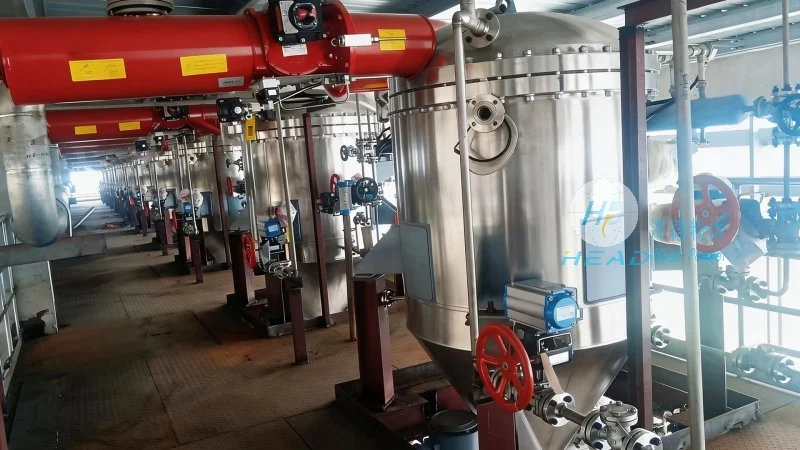
Advantages of pneumatic conveying systems include high transport capacity, the ability to handle abrasive materials without significant wear, and the elimination of manual handling, which reduces labor costs and improves workplace safety. Additionally, the enclosed system prevents dust from spreading, making it suitable for applications where dust control is critical, such as in construction or mining industries.
Conclusion
Shandong HeadPowder Engineering Co., Ltd. offers reliable and efficient pneumatic conveying equipment for sand and gravel powder applications. By understanding the operational process and working principles, users can optimize their material handling systems, ensuring consistent performance and compliance with industry standards. The company's expertise in designing tailored solutions ensures that clients receive equipment that meets their specific needs, enhancing productivity and operational efficiency in various industrial settings.