

Operation Process and Working Principle of Crystalline Powder Pneumatic Conveying Equipment
Crystalline powder pneumatic conveying equipment is a specialized system designed to transport crystalline powders efficiently and safely. This technology is widely used in various industries, including pharmaceuticals, food processing, and chemical manufacturing, where the handling of fine, cohesive powders requires precise control and minimal product degradation. The equipment operates by using compressed air to move the powder through a pipeline network, ensuring a consistent flow rate and maintaining product integrity throughout the conveying process.
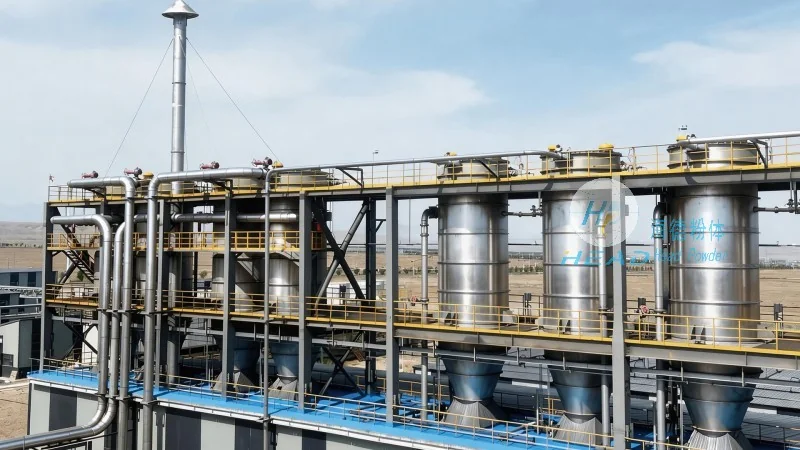
Key Components of the Pneumatic Conveying System
The core components of a crystalline powder pneumatic conveying system include a blower or compressor, a hopper for material storage, a feed device to control the powder flow, a pipeline network for transportation, and a receiver or discharge unit. The blower provides the necessary air pressure to generate the conveying airflow. The hopper is typically equipped with a level indicator and a discharge valve to regulate the powder feed. The feed device, such as a rotary valve or a star feeder, ensures a controlled and uniform powder release into the pipeline. The pipeline network is designed with appropriate bends and fittings to minimize pressure loss and prevent powder buildup. The receiver collects the conveyed powder and may include a dust collection system to maintain air quality.
Operation Process of the Pneumatic Conveying Equipment
The operation process of the crystalline powder pneumatic conveying equipment involves several sequential steps. First, the crystalline powder is loaded into the hopper. The feed device then starts to release the powder into the pipeline as the blower generates the conveying airflow. The compressed air, mixed with the powder, creates a slurry that moves through the pipeline to the receiver. The airflow velocity is carefully controlled to ensure the powder particles are suspended and transported without settling or clogging. At the receiver end, the air is separated from the powder, and the powder is collected in the discharge container. The system may also include a filter or cyclone to remove any fine particles from the exhaust air, ensuring compliance with environmental regulations and maintaining product purity.
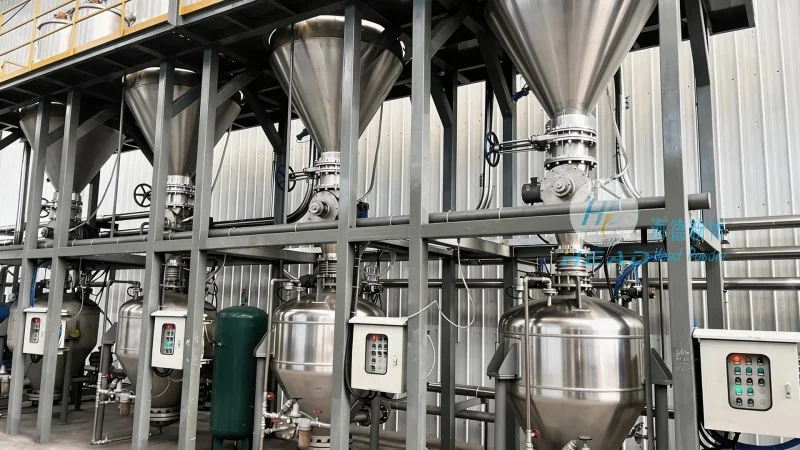
Working Principle of the Pneumatic Conveying System
The working principle of the crystalline powder pneumatic conveying system is based on the principle of fluidization and suspension. The compressed air from the blower creates a high-velocity airflow within the pipeline. As the powder is introduced into the pipeline, the air velocity is sufficient to lift and suspend the powder particles, preventing them from settling or sticking to the pipeline walls. The system operates under positive pressure, where the air pressure is higher than the ambient pressure, ensuring a continuous and unidirectional flow of the powder-air mixture. The design of the pipeline, including the diameter and the angle of bends, is optimized to minimize pressure drop and maintain the required airflow velocity. The feed rate and air pressure are adjusted to achieve the desired conveying capacity and to prevent overloading or underloading of the system.
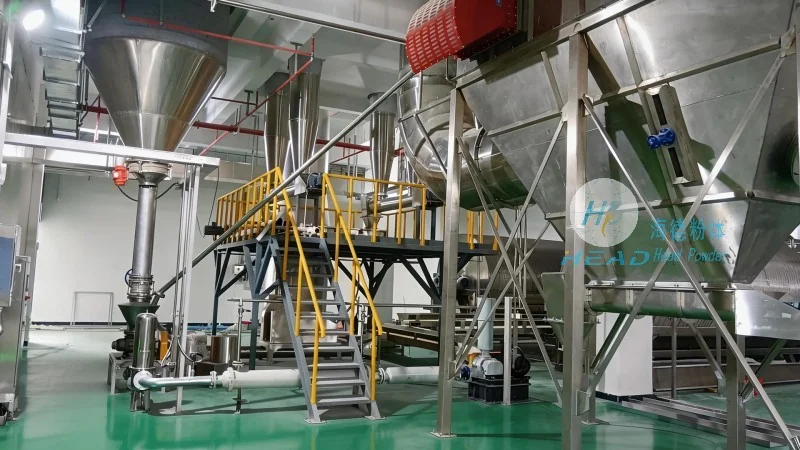
Advantages of Using Crystalline Powder Pneumatic Conveying Equipment
Crystalline powder pneumatic conveying equipment offers several advantages over traditional mechanical conveying methods. It eliminates the need for moving parts in contact with the powder, reducing the risk of product contamination and wear. The system is also capable of conveying powders over long distances with minimal energy consumption compared to other methods like belt conveyors. The enclosed pipeline design prevents dust emissions, improving workplace safety and environmental compliance. Additionally, the equipment allows for precise control of the powder flow rate, ensuring consistent product quality and reducing material waste. The ability to handle fine, cohesive powders without segregation or agglomeration makes it ideal for applications where product integrity is critical.
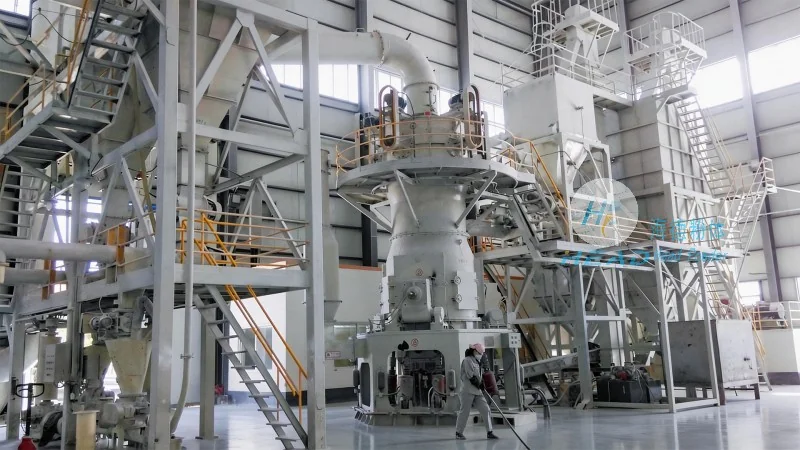
Applications in Different Industries
Crystalline powder pneumatic conveying equipment is widely applied in various industries due to its versatility and efficiency. In the pharmaceutical industry, it is used to transport active pharmaceutical ingredients (APIs) and excipients with high purity requirements. The enclosed system prevents cross-contamination and ensures that the powders remain sterile and free from particulate matter. In the food processing industry, the equipment is used to convey food-grade powders such as sugar, flour, and spices, maintaining the product's flavor and texture. The chemical manufacturing industry utilizes the system to transport fine chemicals and catalysts, where the prevention of dust explosions and product degradation is essential. Other applications include the handling of inorganic powders like calcium carbonate and silica, where the system's ability to handle abrasive materials is advantageous.
Maintenance and Operational Considerations
Proper maintenance is crucial to ensure the reliable and efficient operation of the crystalline powder pneumatic conveying equipment. Regular inspection of the blower and compressor for wear and tear is necessary to maintain optimal air pressure. The hopper and feed device should be cleaned periodically to prevent powder buildup and clogging. The pipeline network should be checked for any signs of wear or damage, and the bends and fittings should be lubricated as needed. The filter or cyclone system should be maintained to ensure proper air filtration and to prevent clogging. Operational considerations include monitoring the air pressure and flow rate to adjust the feed rate accordingly. The system should be started and stopped gradually to avoid pressure surges and to prevent damage to the components. Training operators on the proper use and maintenance of the equipment is also essential to ensure safe and efficient operation.