

Operation Process and Working Principle of Diatomite Powder Pneumatic Conveying Equipment
Shandong HeadPowder Engineering Co., Ltd. specializes in the design, manufacturing, and installation of advanced pneumatic conveying systems for various powder materials, including diatomite. Our company, based in Shandong, China, leverages decades of industry experience to deliver reliable and efficient solutions tailored to the unique requirements of powder handling applications.
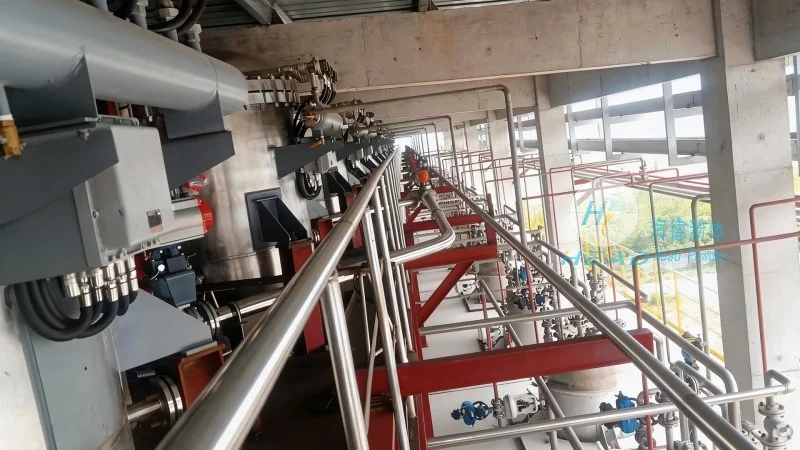
Introduction to Diatomite Powder Pneumatic Conveying Equipment
Diatomite, a natural sedimentary rock composed primarily of fossilized diatoms, is widely used in industries such as filtration, catalysis, and construction due to its high porosity and excellent adsorption properties. The efficient transportation of diatomite powder from storage silos to processing units is critical for maintaining production continuity and minimizing material loss. Pneumatic conveying equipment offers a non-contact, hygienic, and energy-efficient method to achieve this, making it the preferred choice for many diatomite processing facilities.
Key Components of the Pneumatic Conveying System
The diatomite powder pneumatic conveying system typically consists of several core components that work in concert to ensure smooth material transport. These include a hopper or silo for material storage, a feeder to control the flow rate of the powder, a conveying line (often equipped with bends and filters), a receiver or destination vessel, and a blower or vacuum pump to generate the necessary air pressure or suction. Each component plays a vital role in the overall operation, and their proper integration is essential for optimal performance.
Operation Process: Step-by-Step Guide
The operation of the diatomite powder pneumatic conveying equipment follows a systematic sequence to ensure safe and efficient material transfer. The process begins with the preparation phase, where the system is checked for proper functionality, including checking for air leaks, verifying the feeder settings, and ensuring the receiving vessel is empty or at the desired level. Once the system is ready, the following steps are executed:
1. System Activation: The blower or vacuum pump is started, establishing the required air pressure or suction in the conveying line. This step is crucial as it creates the necessary force to move the diatomite powder particles through the system.
2. Material Feeding: The feeder, which may be a rotary valve or a screw feeder, is activated to introduce the diatomite powder into the conveying line at a controlled rate. The feeder's speed is adjusted based on the required flow rate and the density of the powder, ensuring consistent material supply without overloading the system.
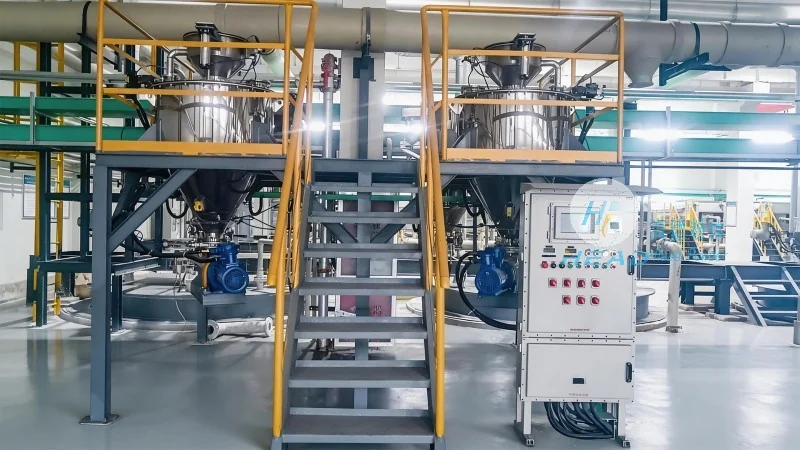
3. Powder Transport: As the powder is introduced into the conveying line, it is entrained by the moving air stream and carried through the pipeline. The air velocity within the line must be sufficient to keep the powder particles suspended and prevent deposition or blockages. The system may include bends, filters, or cyclones to direct the flow and separate any entrained air or fine particles.
4. Receiving and Discharge: The diatomite powder is delivered to the receiving vessel or processing unit at the end of the conveying line. The receiving vessel is designed to accommodate the incoming flow and may include a hopper or a surge bin to regulate the material level. The discharge mechanism, such as a rotary valve or a gate valve, controls the release of the powder into the next stage of the process.
5. System Shutdown: After the material transfer is complete, the system is shut down in the reverse order of activation. The blower is turned off first, followed by the feeder, and then any auxiliary equipment. This sequence prevents the buildup of pressure or suction that could cause damage to the system or material spillage.
Working Principle: How Pneumatic Conveying Works
The working principle of the diatomite powder pneumatic conveying system is based on the physics of fluid dynamics and particle suspension. There are two primary types of pneumatic conveying systems: positive pressure (blow-through) and negative pressure (suction) systems. Both rely on the principle of air movement to transport the powder, but they differ in the direction of air flow and the pressure conditions within the system.
In a positive pressure system, the blower generates high-pressure air that is introduced into the conveying line at the inlet. The air flows through the line, carrying the diatomite powder particles along with it. The pressure at the inlet is higher than the ambient pressure, and the system is sealed to prevent air leakage. This type of system is commonly used for short to medium-distance conveying and is suitable for applications where the material is to be discharged into a closed vessel.
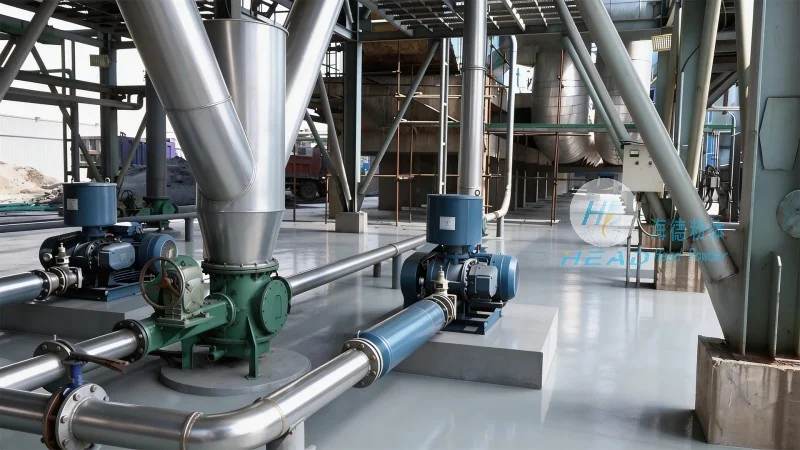
In a negative pressure system, the vacuum pump creates a low-pressure environment at the inlet, drawing air and powder particles into the conveying line. The air flows from the inlet to the outlet, and the pressure at the inlet is lower than the ambient pressure. This system is often used for longer-distance conveying or when the material needs to be transported from an open or unsealed source. The system includes filters or cyclones to separate the powder from the air stream, ensuring that the air is clean before it is released back into the environment.
The efficiency of the pneumatic conveying system depends on several factors, including the air velocity, the particle size and density of the diatomite powder, the length and diameter of the conveying line, and the number of bends or obstacles in the system. Proper design and maintenance of the system are essential to ensure that the air velocity remains high enough to keep the powder particles suspended and to prevent blockages or material degradation.
Technical Advantages and Considerations
The diatomite powder pneumatic conveying equipment offers several advantages over traditional mechanical conveying methods. These include non-contact material handling, which reduces the risk of contamination and product degradation; hygienic operation, which is critical for food and pharmaceutical applications; and energy efficiency, as the system can use less power than mechanical conveyors for the same material transport capacity. Additionally, the system is flexible and can be easily integrated with existing processing lines, allowing for modular expansion or reconfiguration as production needs change.
However, the successful operation of the system requires careful consideration of several factors. The particle size and density of the diatomite powder must be matched to the system design to ensure optimal air velocity and prevent blockages. The conveying line must be properly sized and equipped with appropriate bends and filters to maintain the flow of material. Regular maintenance, including cleaning of filters and checking for air leaks, is essential to prevent system downtime and maintain performance. The system also requires proper training for operators to ensure safe and efficient operation.
Conclusion
Shandong HeadPowder Engineering Co., Ltd. provides comprehensive solutions for diatomite powder pneumatic conveying, combining advanced technology with industry expertise to meet the diverse needs of powder handling applications. By understanding the operation process and working principles of the system, users can optimize their material transport processes, improve efficiency, and ensure the safe and reliable handling of diatomite powder. The company's commitment to quality and customer satisfaction ensures that its pneumatic conveying systems deliver long-term performance and value for its clients.