

Operation Process and Working Principle of Calcined Lime Powder Pneumatic Conveying Equipment
Calcined lime powder is a widely used material in various industrial applications, and the efficient transportation of this fine powder is crucial for maintaining production efficiency and safety. Pneumatic conveying equipment, specifically designed for calcined lime powder, plays a vital role in this process. This article delves into the operation process and working principle of such equipment, highlighting the key components, operational steps, and the technical advantages that ensure reliable and safe material handling.
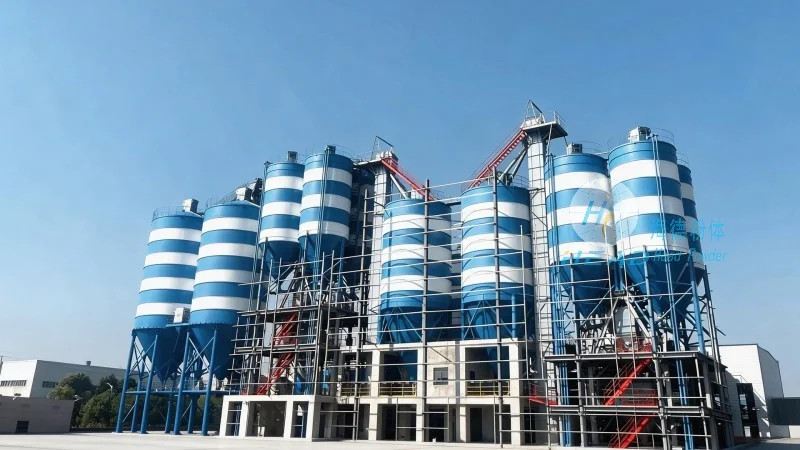
Overview of Pneumatic Conveying Systems for Calcined Lime Powder
Pneumatic conveying systems are mechanical systems that use air or gas to transport bulk materials like calcined lime powder from one location to another. These systems are particularly suitable for handling fine, dusty, or abrasive powders, as they eliminate the need for mechanical components that might cause wear or contamination. The primary goal of these systems is to achieve efficient, low-cost, and safe material transport, which is essential in industries such as chemical processing, food processing, and construction.
Working Principle of Pneumatic Conveying Equipment
The core working principle of pneumatic conveying equipment for calcined lime powder involves creating a pressure differential between the material source and the destination. This is typically achieved by using a blower or compressor to generate airflow within a pipeline. The powder is then introduced into the pipeline, either by gravity or through a feeder, and is carried along by the moving air. The air velocity is carefully controlled to ensure that the powder particles are fully entrained and transported without causing blockages or excessive wear on the system components.
There are two main types of pneumatic conveying systems: pressure and vacuum. Pressure systems operate by forcing air and material through the pipeline under positive pressure, while vacuum systems use a vacuum to draw material into the pipeline. For calcined lime powder, pressure systems are often preferred due to their ability to handle higher material loads and longer distances. The choice of system depends on factors such as the distance between the source and destination, the volume of material to be transported, and the specific characteristics of the powder.
Key Components of Calcined Lime Powder Pneumatic Conveying Equipment
Calcined lime powder pneumatic conveying systems consist of several critical components that work in tandem to ensure smooth operation. These components include:
1. Feeder: The feeder is responsible for introducing the calcined lime powder into the conveying pipeline. It can be a rotary valve, a star feeder, or a screw feeder, depending on the system design. The feeder ensures a consistent flow of material, preventing blockages and maintaining the desired material velocity.
2. Blower or Compressor: This component generates the necessary airflow to transport the powder. The blower or compressor is selected based on the required pressure and flow rate, which are determined by the system's design and the material's properties.
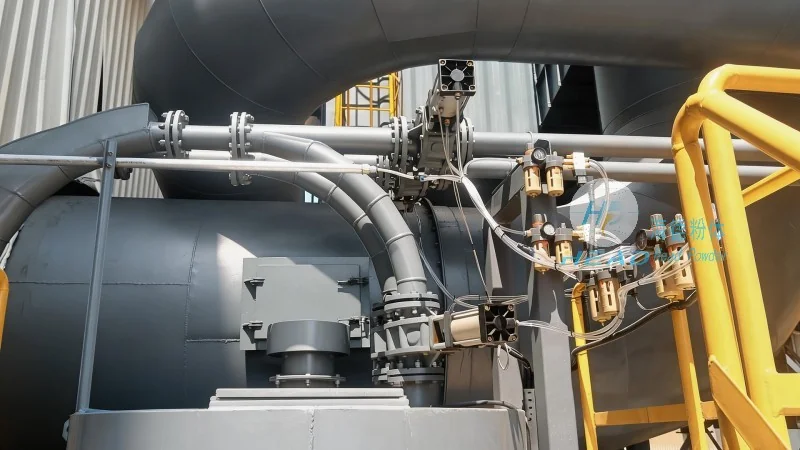
3. Pipeline: The pipeline is the main conduit for transporting the powder and air. It is typically made of stainless steel or other corrosion-resistant materials to withstand the abrasive nature of calcined lime powder and the effects of air flow.
4. Separators and Filters: These components are used to separate the powder from the air at the destination. The separator may be a cyclone or a bag filter, which collects the powder and returns it to the process or storage area. The filter removes any fine particles from the exhaust air, ensuring compliance with environmental regulations.
5. Control System: The control system monitors and regulates the operation of the conveying system. It includes sensors for pressure, flow, and temperature, as well as control valves and a programmable logic controller (PLC) to adjust the system parameters as needed.
Step-by-Step Operation Process of the Equipment
The operation of calcined lime powder pneumatic conveying equipment follows a systematic process, which can be broken down into the following steps:
1. Material Preparation: The calcined lime powder is stored in a hopper or silo. The feeder is adjusted to ensure a consistent flow rate, and the material is prepared for introduction into the system.
2. System Startup: The blower or compressor is started, and the air flow is adjusted to the desired level. The system is then pressurized to the required level, ensuring that the pipeline is ready for material transport.
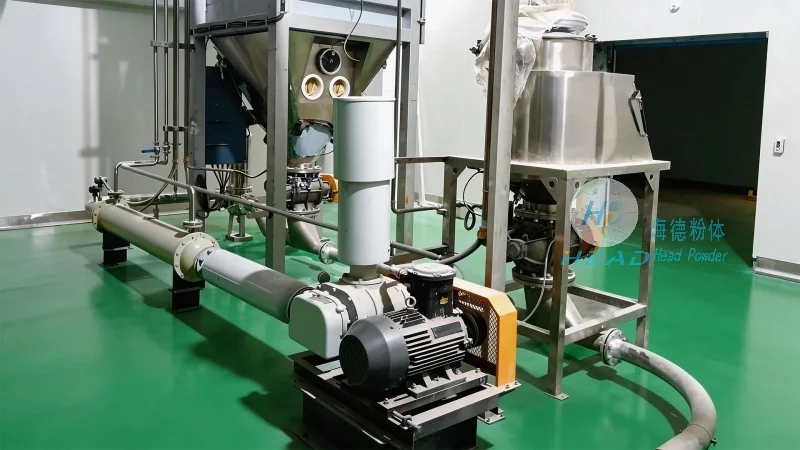
3. Material Introduction: The feeder introduces the calcined lime powder into the pipeline. The powder is entrained by the air flow and begins to travel through the pipeline.
4. Transportation: The powder is transported through the pipeline to the destination. The air velocity is maintained at a level that ensures the powder is fully entrained and does not settle or cause blockages.
5. Material Discharge: At the destination, the powder is separated from the air using a separator. The powder is collected in a hopper or storage bin, while the air is filtered and discharged.
6. System Shutdown: The system is shut down by first stopping the feeder and then the blower or compressor. The pipeline is depressurized, and any remaining material is cleared from the system.
Advantages of Using Pneumatic Conveying Equipment for Calcined Lime Powder
Implementing pneumatic conveying equipment for calcined lime powder offers several advantages over traditional mechanical conveying methods. These advantages include:
1. Efficiency and Speed: Pneumatic systems can transport calcined lime powder at high speeds, reducing the overall time required for material handling. This leads to increased production efficiency and reduced downtime.
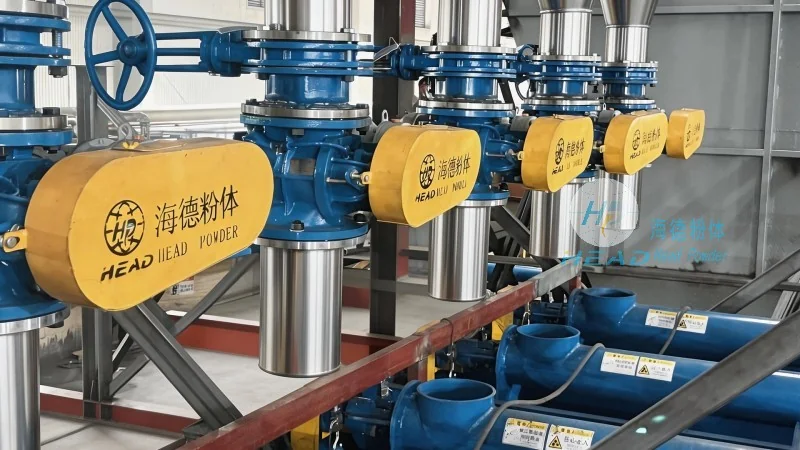
2. Safety: The enclosed pipeline system prevents dust emissions and minimizes the risk of material exposure to the environment or workers. This is particularly important for handling fine powders that can be hazardous if inhaled.
3. Low Maintenance: Pneumatic conveying systems have fewer moving parts compared to mechanical systems, resulting in lower maintenance costs and longer equipment lifespan.
4. Flexibility: These systems can be easily adapted to different production requirements, such as changes in material volume or destination location, without significant modifications.
5. Cost-Effectiveness: While the initial investment may be higher than some mechanical systems, the long-term operational costs are lower due to reduced maintenance and increased efficiency.
About Shandong HeadPowder Engineering Co., Ltd.
Shandong HeadPowder Engineering Co., Ltd., operating under the brand name headpowder, is a leading manufacturer of pneumatic conveying equipment for industrial applications. With a focus on innovation and quality, the company has developed advanced systems tailored to handle calcined lime powder and other fine powders. Headpowder's equipment is designed to meet the highest standards of efficiency, safety, and durability, ensuring reliable performance in demanding industrial environments. The company is based in Shandong, China, and serves clients worldwide with customized solutions that address their specific material handling needs.
Conclusion
Pneumatic conveying equipment for calcined lime powder is a critical component in modern industrial operations, offering efficient, safe, and cost-effective material transport solutions. By understanding the working principle and operation process of these systems, industries can optimize their material handling processes and improve overall productivity. With the expertise and experience of companies like Shandong HeadPowder Engineering Co., Ltd., businesses can ensure that their calcined lime powder is transported reliably and efficiently, supporting their operational goals and maintaining compliance with industry standards.