

Operation Process and Working Principle of Titanium Dioxide Powder Pneumatic Conveying Equipment
For industrial applications involving the handling of titanium dioxide (TiO₂) powder, efficient and reliable material transport is crucial. The pneumatic conveying equipment designed for this purpose operates through a systematic process that ensures smooth material movement from the source to the destination. This article delves into the operational workflow and underlying principles of such equipment, highlighting its importance in maintaining productivity and safety in powder handling operations.
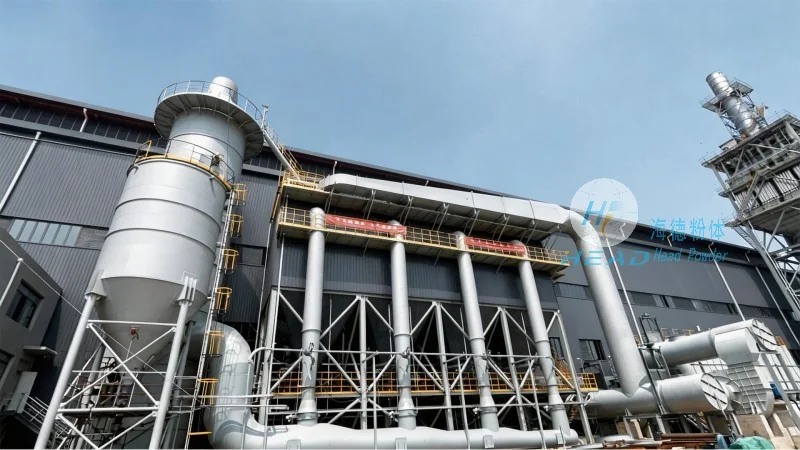
Overview of Pneumatic Conveying Systems for Titanium Dioxide Powder
At the core of the system is the headpowder pneumatic conveying equipment, which is engineered to handle the unique characteristics of titanium dioxide powder. This equipment is typically used in industries such as pigments, coatings, and plastics, where the consistent and safe transport of fine powders is essential. The system comprises several key components, including a hopper for material storage, a conveyor line, and a control unit that manages the air flow and pressure. Each component works in tandem to facilitate the seamless movement of the powder.
The Working Principle of Pneumatic Conveying
The fundamental principle behind pneumatic conveying is the use of compressed air to create a flow that transports the powder particles. In the case of titanium dioxide powder, the equipment employs a positive pressure system, where air is introduced into the conveying line to push the powder forward. The process begins with the powder being discharged from the hopper into the inlet of the conveyor. As the air flows through the line, it creates a low-pressure zone that draws the powder particles into the air stream. The combination of air velocity and particle size determines the efficiency of the conveying process. For titanium dioxide, which is a fine powder with a relatively high density, the system is optimized to maintain a consistent flow rate and prevent clogging or blockages.
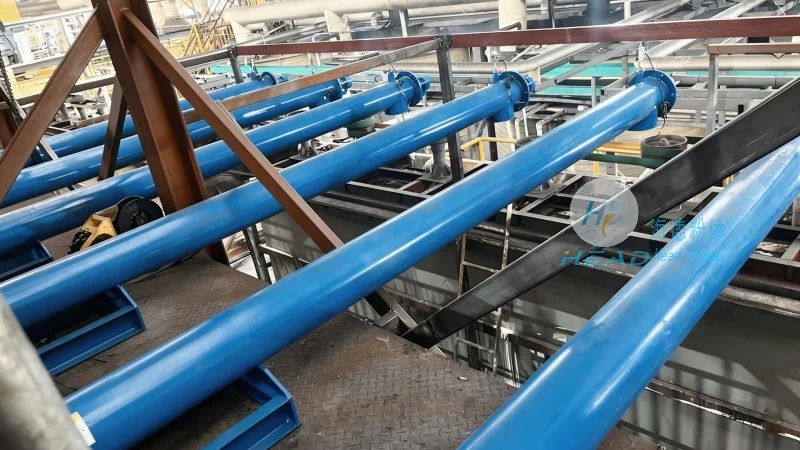
Step-by-Step Operation Process
The operation of the pneumatic conveying equipment for titanium dioxide powder follows a structured sequence. First, the powder is loaded into the hopper, which is equipped with a feeder that controls the discharge rate. The feeder ensures that the powder is released at a controlled rate, preventing overloading of the conveyor line. Next, compressed air is supplied to the system, typically through an air compressor. The air is regulated to maintain the appropriate pressure and flow rate, which is critical for efficient conveying. As the air enters the conveying line, it mixes with the powder and propels it through the system. The powder travels through the line, which may include bends, expansions, or filters, depending on the system design. At the destination, the powder is discharged into a collection vessel, where it is stored or further processed. The entire process is monitored by the control unit, which adjusts air pressure and flow as needed to maintain optimal performance.
Key Components and Their Functions
Several components are integral to the smooth operation of the pneumatic conveying system. The hopper serves as the storage container, providing a large capacity to hold the titanium dioxide powder. It is designed with a sloped bottom to facilitate uniform discharge. The feeder, often a rotary valve or a screw feeder, regulates the flow of powder from the hopper into the conveying line. This component is crucial for maintaining a consistent feed rate, which prevents fluctuations in the conveying process. The air compressor generates the compressed air required for the system. It is typically equipped with a pressure regulator to maintain a stable pressure level. The conveying line, made of materials such as stainless steel or plastic, is designed to withstand the pressure and abrasion caused by the powder. It may include fittings, such as elbows and tees, to direct the flow and prevent blockages. The control unit, which may be a PLC (Programmable Logic Controller), monitors the system parameters and adjusts the air flow and pressure as needed. It also provides alarms for any abnormal conditions, such as low air pressure or high temperature.
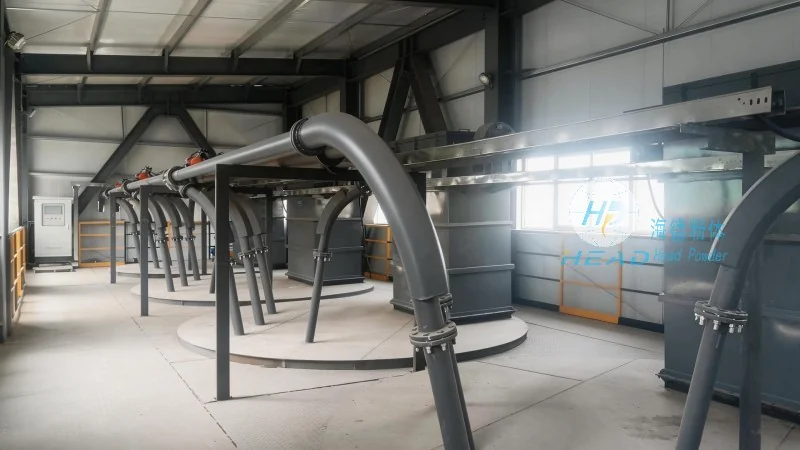
Advantages of Using Pneumatic Conveying for Titanium Dioxide Powder
Employing pneumatic conveying equipment for titanium dioxide powder offers several advantages over traditional methods like bucket elevators or belt conveyors. One of the primary benefits is the ability to transport the powder in a closed system, which minimizes dust emissions and improves workplace safety. This is particularly important for titanium dioxide, which can be a respiratory irritant if inhaled. The closed system also prevents contamination from external sources, ensuring the purity of the powder. Another advantage is the flexibility of the system, which can be adjusted to handle varying powder flow rates and particle sizes. The equipment can be scaled to accommodate different production volumes, making it suitable for both small-scale and large-scale operations. Additionally, the system is relatively compact, requiring less floor space compared to other bulk material handling methods. This makes it ideal for facilities with limited space.
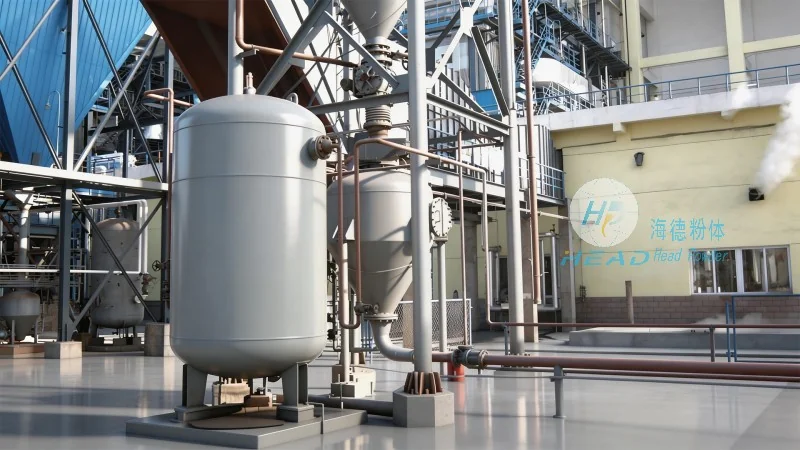
Maintenance and Safety Considerations
To ensure the reliable operation of the pneumatic conveying equipment, regular maintenance is essential. The system should be inspected regularly for any signs of wear or damage, such as leaks in the air compressor or blockages in the conveying line. The hopper and feeder should be cleaned periodically to prevent buildup of powder, which can affect the flow rate. The conveying line should be checked for any abrasion or corrosion, especially if the powder is abrasive. Safety is a critical aspect of operating the equipment. Proper personal protective equipment (PPE), such as dust masks and goggles, should be worn by operators. The system should be equipped with safety interlocks to prevent accidental activation. Additionally, the air compressor should be maintained to ensure it operates within safe pressure limits. Regular maintenance and adherence to safety protocols help to minimize downtime and ensure the longevity of the equipment.
Conclusion
The pneumatic conveying equipment designed for titanium dioxide powder is a vital component in modern industrial operations. Its operation is based on a systematic process that leverages compressed air to transport the fine powder efficiently and safely. The equipment, manufactured by Shandong HeadPowder Engineering Co., Ltd., based in China, is engineered to handle the unique characteristics of titanium dioxide, ensuring consistent performance and reliability. By understanding the operation process and working principles of this equipment, users can optimize their powder handling operations, improve productivity, and maintain a safe working environment. The system's advantages, including closed transport and flexibility, make it an ideal choice for industries that require the handling of fine powders like titanium dioxide.