

Operating Process and Working Principle of Ammonium Acetate Powder Pneumatic Conveying Equipment
Ammonium acetate powder, a widely used chemical compound in various industrial applications such as pharmaceuticals, food processing, and chemical synthesis, requires efficient and reliable handling during transportation. The pneumatic conveying equipment designed for ammonium acetate powder plays a crucial role in ensuring safe and effective material transfer. This article delves into the operating process and working principle of such equipment, highlighting the key components, operational steps, and the technical aspects that contribute to its performance.
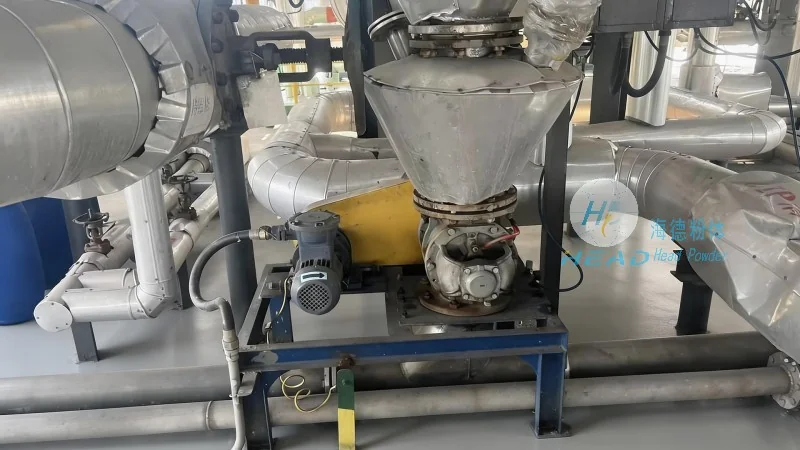
Shandong HeadPowder Engineering Co., Ltd., a leading manufacturer in the field of powder handling solutions, specializes in developing and supplying advanced pneumatic conveying systems tailored to the specific needs of industries dealing with ammonium acetate and other fine powders. The company's expertise lies in understanding the unique properties of ammonium acetate, including its hygroscopic nature and potential for dust generation, and designing equipment that addresses these challenges effectively.
Working Principle of Pneumatic Conveying Systems for Ammonium Acetate Powder
The core principle of pneumatic conveying is the use of air or gas to transport bulk materials through a pipeline. For ammonium acetate powder, the system typically operates under positive pressure, where air is forced through the pipeline to move the powder. The equipment consists of several key components that work in coordination to achieve efficient material transfer:
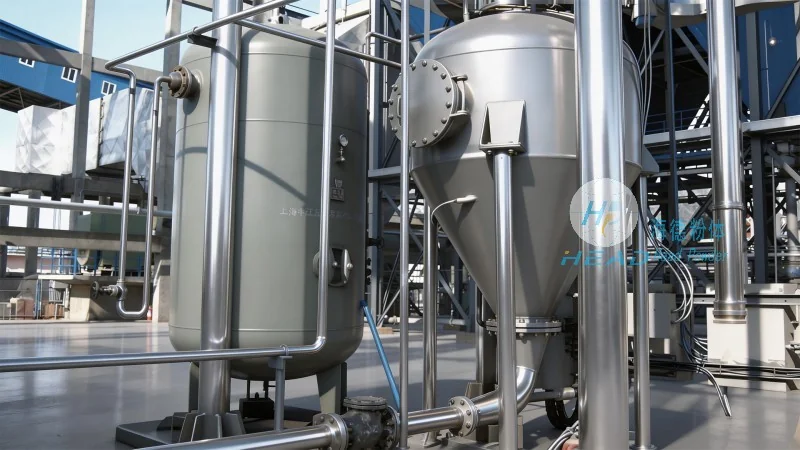
- Feed Hopper and Metering Device: The process begins with the feed hopper, where ammonium acetate powder is stored. A metering device, such as a rotary valve or a screw feeder, controls the flow rate of the powder into the conveying line, ensuring a consistent and controlled feed.
- Conveying Pipeline: The powder is then introduced into the pipeline through the metering device. The pipeline is designed with smooth, corrosion-resistant materials (e.g., stainless steel or PTFE-lined components) to prevent material buildup and ensure long-term durability. The pipeline layout, including bends and vertical sections, is optimized to minimize pressure drop and maintain the flow of the powder-air mixture.
- Air Supply System: A blower or compressor provides the necessary air pressure to move the powder through the pipeline. The air supply system is equipped with filters and regulators to maintain air quality and control pressure, preventing contamination and ensuring stable operation.
- Separation and Collection System: At the destination point, the powder is separated from the air using a cyclone separator or a bag filter. The separated powder is collected in a receiving hopper, while the air is either recycled back into the system or discharged through a filter to prevent dust emissions.
During operation, the metering device feeds the ammonium acetate powder into the pipeline at a controlled rate. The air from the blower is introduced simultaneously, creating a mixture of powder and air that travels through the pipeline. The velocity of the air is critical; it must be sufficient to lift and transport the powder particles without causing excessive wear on the equipment or generating excessive dust. The system is designed to maintain a stable flow, with the air velocity typically ranging from 20 to 30 meters per second for fine powders like ammonium acetate.
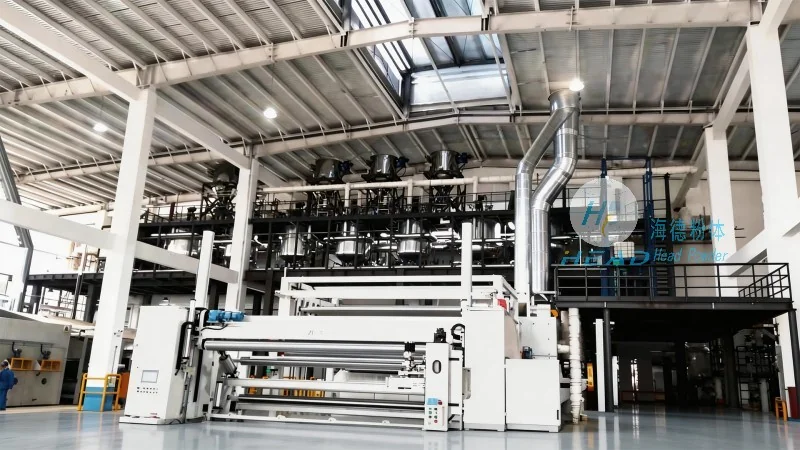
Operating Process of Ammonium Acetate Powder Pneumatic Conveying Equipment
The operating process of the equipment involves several sequential steps that ensure the smooth and continuous transfer of ammonium acetate powder from the source to the destination:
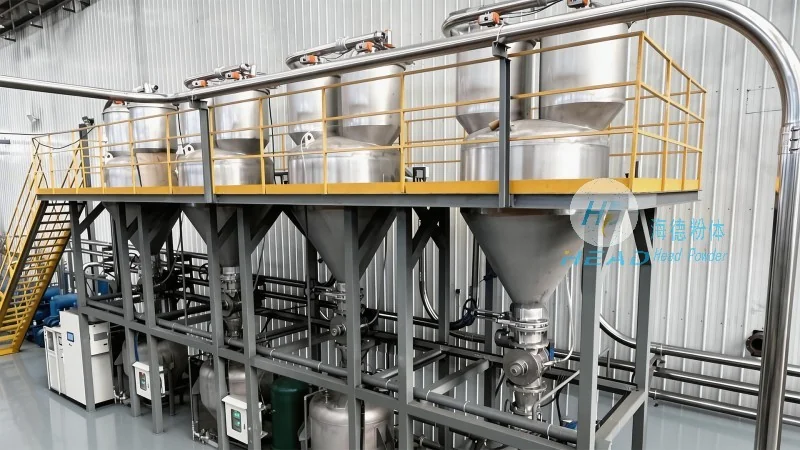
- Preparation and Startup: Before operation, the system is checked for any blockages or leaks in the pipeline and components. The air supply system is started, and the pressure is adjusted to the required level. The feed hopper is filled with ammonium acetate powder, and the metering device is set to the desired flow rate.
- Material Conveying: Once the system is ready, the metering device begins to feed the powder into the pipeline. The air from the blower is introduced, and the powder-air mixture starts moving through the pipeline. The system monitors the pressure and flow rate to ensure stable operation. The conveying process continues until the desired amount of powder has been transferred.
- Termination and Shutdown: When the transfer is complete, the feed is stopped, and the air supply is gradually reduced. The system is then allowed to settle, and any residual powder is collected from the receiving hopper. The equipment is then shut down, and the pipeline is cleaned to prevent material accumulation and maintain performance.
Throughout the operating process, the equipment ensures that the ammonium acetate powder is handled gently, minimizing particle breakage and degradation. The positive pressure system prevents the ingress of external air and moisture, which is crucial for maintaining the quality of the powder, especially in applications where purity is critical, such as in pharmaceutical manufacturing.
Key Features and Benefits of the Equipment
The pneumatic conveying equipment for ammonium acetate powder, manufactured by Shandong HeadPowder Engineering Co., Ltd., offers several key features and benefits that make it an ideal solution for industrial applications: