

Operation Process and Working Principle of PVB Powder Pneumatic Conveying Equipment
Shandong HeadPowder Engineering Co., Ltd., a leading manufacturer in the field, specializes in the design and production of advanced PVB powder pneumatic conveying systems. This equipment is engineered to efficiently transport polyvinyl butyral (PVB) powders, a critical material widely used in applications such as optical lens manufacturing and construction adhesives. The following sections will detail the operational process and working principles of this equipment, highlighting its key components and the step-by-step procedures involved in its operation.
Key Components of the PVB Powder Pneumatic Conveying System
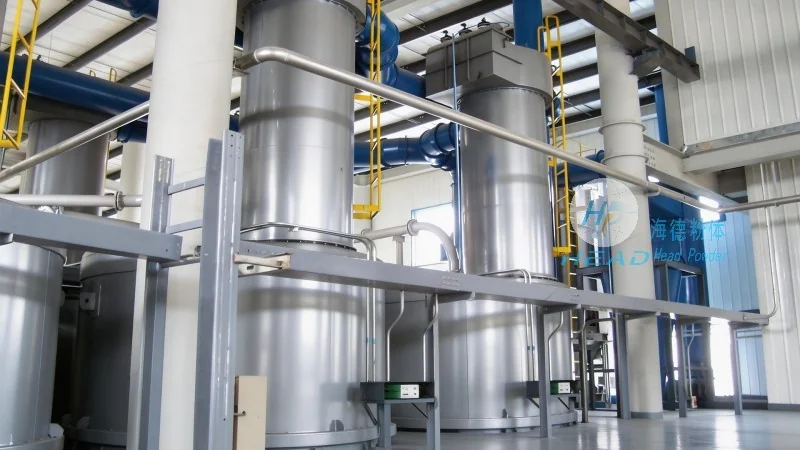
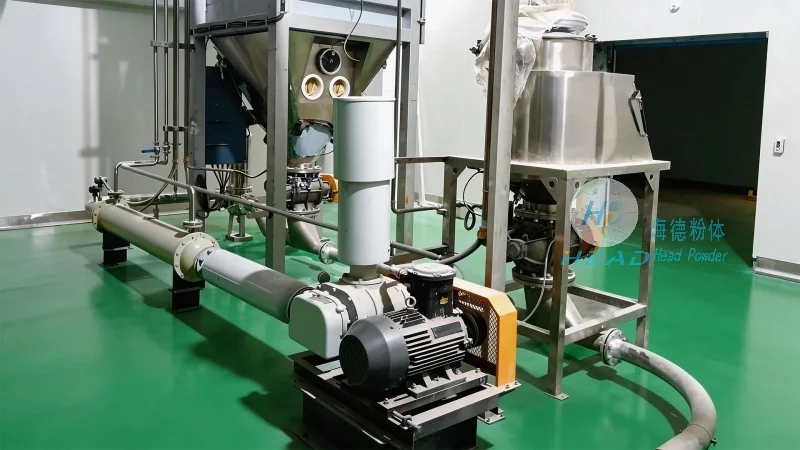
The PVB powder pneumatic conveying equipment consists of several integral components that work in tandem to ensure reliable and efficient material transport. The primary components include a material feeder, a high-pressure blower or air compressor, a conveying pipeline network, a dust separator, and a product receiver. Each component plays a crucial role in the overall system performance. The material feeder is responsible for accurately metering the PVB powder and introducing it into the conveying pipeline. It is typically designed with a hopper and a rotary valve or screw feeder to maintain a consistent flow rate, preventing material bridging or clogging. The high-pressure blower generates the necessary air pressure to propel the powder particles through the pipeline. This component is selected based on the specific characteristics of the PVB powder, such as particle size, density, and moisture content, to ensure optimal conveying efficiency. The conveying pipeline network connects the feeder to the separator and receiver, with appropriate bends and fittings to minimize pressure drop and maintain flow stability. The dust separator, often a cyclone or bag filter, separates the PVB powder from the air stream, ensuring that the material is collected in a clean and dry state. The product receiver stores the conveyed PVB powder until it is ready for further processing or packaging.
Working Principle of PVB Powder Pneumatic Conveying
The working principle of the PVB powder pneumatic conveying system is based on the fundamental concept of transporting solid particles using a gas stream. In this system, the PVB powder is suspended in a high-velocity air flow, which carries the powder particles through the pipeline to the destination. The process begins with the material feeder delivering the PVB powder into the conveying pipeline. The high-pressure blower then injects air into the pipeline, creating a pressure differential that propels the powder particles forward. As the powder travels through the pipeline, it experiences a series of forces, including drag and lift, which keep the particles suspended in the air stream. The conveying velocity is carefully controlled to ensure that the powder particles remain in suspension without settling or causing blockages. The dust separator at the end of the pipeline separates the PVB powder from the air by utilizing centrifugal force. The air is directed into a cyclone, where the heavier powder particles are forced to the wall and fall into the product receiver, while the clean air is discharged to the atmosphere. This separation process is critical for maintaining the purity of the PVB powder and preventing contamination. The entire system operates in a closed loop, with the air being recirculated or exhausted as needed, depending on the system design and environmental regulations.
Operational Process of PVB Powder Pneumatic Conveying Equipment
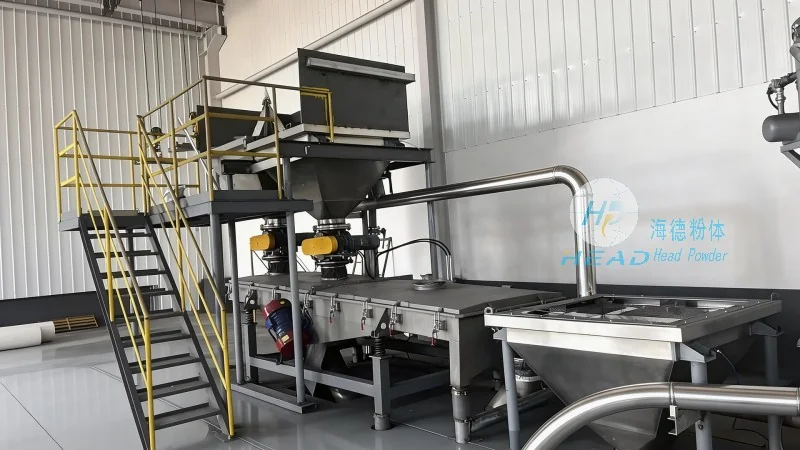
The operational process of the PVB powder pneumatic conveying equipment involves several sequential steps that ensure smooth and continuous material transport. The process starts with the preparation of the system, which includes checking the integrity of all components, ensuring proper air pressure, and verifying the material feeder's settings. Once the system is ready, the PVB powder is introduced into the hopper of the material feeder. The feeder then meters the powder at a controlled rate, feeding it into the conveying pipeline. The high-pressure blower activates and begins to generate the air flow, which propels the powder particles through the pipeline. The powder travels from the feeder to the dust separator, where it is separated from the air and collected in the product receiver. The air, now free of powder, is either recirculated back to the blower or discharged, depending on the system configuration. The operational process continues as long as the material feeder supplies the PVB powder, with the system maintaining a consistent flow rate and pressure. During operation, it is essential to monitor key parameters such as air pressure, flow rate, and powder level to ensure optimal performance. Any deviations in these parameters may indicate a problem, such as a blockage in the pipeline or a malfunction in the feeder, which requires immediate attention to prevent system downtime. The system is designed to operate continuously, with minimal maintenance required, making it suitable for high-volume PVB powder handling applications.
Advantages of PVB Powder Pneumatic Conveying Equipment
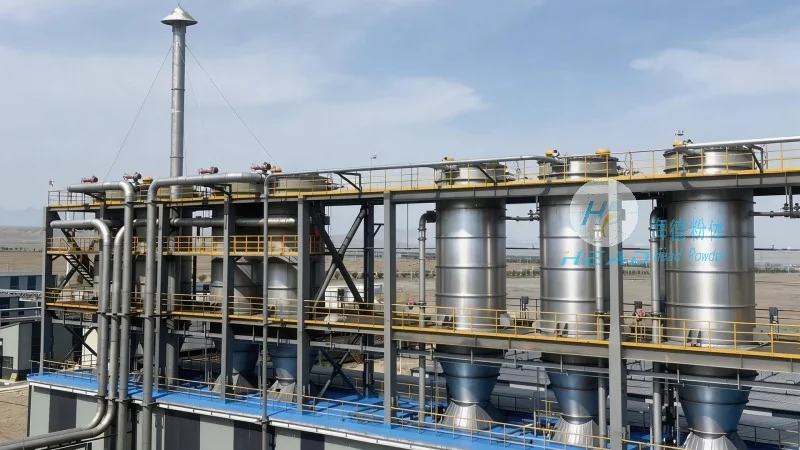
Shandong HeadPowder Engineering Co., Ltd.'s PVB powder pneumatic conveying equipment offers several advantages over traditional material handling methods. One of the primary benefits is the ability to transport PVB powder in a closed system, which minimizes dust exposure and environmental contamination. This is particularly important for PVB powders, which are often used in sensitive applications where dust can affect product quality or cause health hazards. The closed system also prevents the loss of material during transport, ensuring high material recovery rates. Another advantage is the flexibility of the system, which can be adapted to various PVB powder characteristics and handling requirements. The equipment can handle different particle sizes, densities, and moisture contents, making it suitable for a wide range of applications. Additionally, the pneumatic conveying system is relatively compact and can be integrated into existing production lines, reducing the need for additional space or infrastructure. The system also offers high conveying efficiency, with minimal energy consumption compared to other methods such as belt conveyors or bucket elevators. This efficiency translates into cost savings for the end-user, as less energy is required to transport the PVB powder over long distances. Furthermore, the system is easy to operate and maintain, with automated controls that simplify the operational process and reduce the need for manual intervention.