

Operation Process and Working Principle of Lithium Hexafluorophosphate Powder Pneumatic Conveying Eq
Lithium hexafluorophosphate (LiPF₆) is a critical additive in lithium-ion battery production, and its efficient handling is essential for maintaining production efficiency and product quality. Pneumatic conveying systems offer a reliable method for transporting LiPF₆ powder, ensuring safe and controlled movement within industrial settings. This article provides an overview of the operation process and working principles of such equipment, highlighting key components and operational steps.
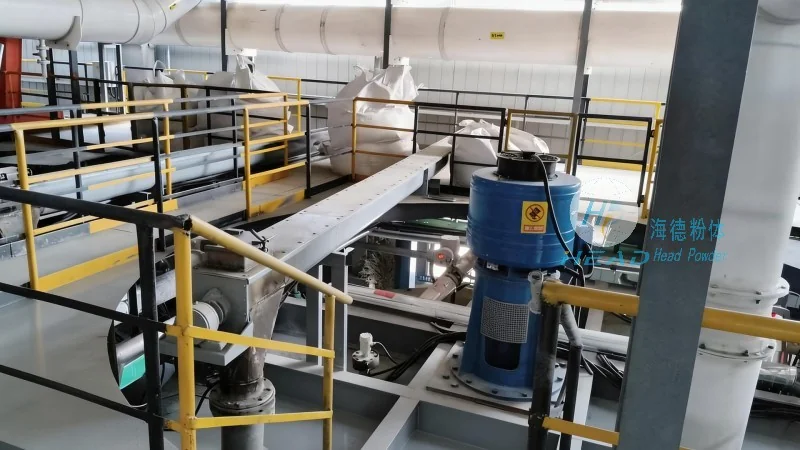
Key Components of the Pneumatic Conveying System
The pneumatic conveying equipment for LiPF₆ powder typically consists of several core components that work in tandem to achieve effective material transport. These include a hopper for material storage, a rotary valve or feeder to control the flow rate, a conveying pipeline system, a venturi or pressure drop device to generate the conveying air flow, and a receiver or collection hopper at the destination. Each component plays a vital role in the overall system performance, ensuring consistent and reliable powder transfer.
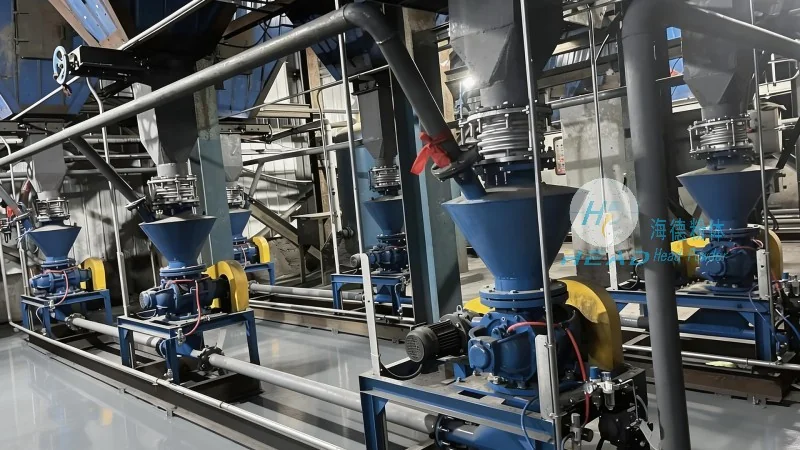
Operation Process of the Pneumatic Conveying Equipment
The operation process of the LiPF₆ powder pneumatic conveying system involves several sequential steps. First, the LiPF₆ powder is loaded into the storage hopper. The rotary valve or feeder then regulates the powder flow into the conveying pipeline, ensuring a controlled feed rate. Simultaneously, compressed air is introduced into the system, creating a flow that propels the powder particles through the pipeline. The venturi or pressure drop device generates the necessary air velocity to overcome the resistance of the powder particles and the pipeline. As the powder travels through the pipeline, it is carried by the air stream until it reaches the receiving hopper at the destination. The system may include additional features such as filters to remove dust or moisture, and pressure regulators to maintain stable air pressure throughout the process.
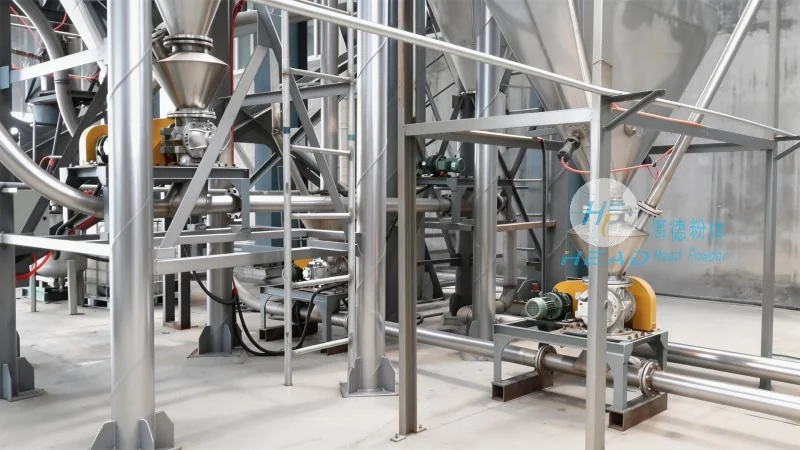
Working Principle of the Pneumatic Conveying System
The working principle of the pneumatic conveying system for LiPF₆ powder is based on the interaction between the powder particles and the air flow. The system operates under either positive pressure or negative pressure (suction) conditions. In positive pressure systems, compressed air is forced through the pipeline, pushing the powder particles along with it. In negative pressure systems, the air is drawn through the pipeline, creating a vacuum that pulls the powder particles into the conveying stream. The key to effective conveying is achieving a sufficient air velocity to keep the powder particles in suspension, preventing them from settling or clogging the pipeline. The design of the conveying pipeline, including its diameter and length, as well as the air flow rate, are critical factors that determine the system's efficiency and capacity.
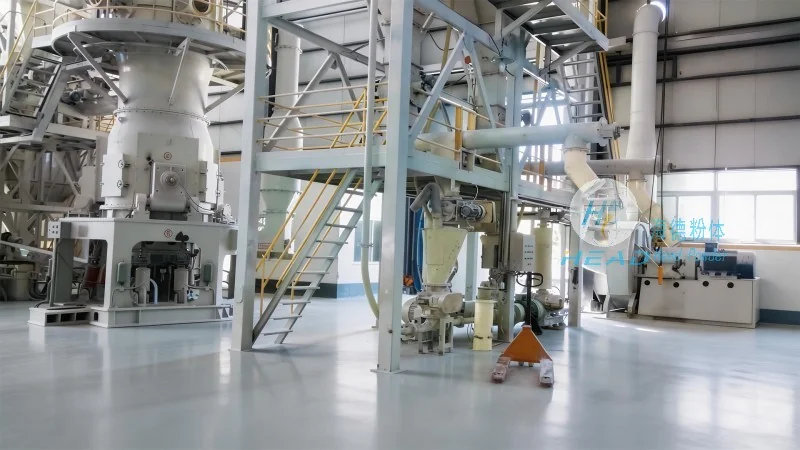
Benefits and Considerations for LiPF₆ Powder Pneumatic Conveying
Implementing a pneumatic conveying system for LiPF₆ powder offers several advantages, including improved safety by eliminating manual handling of the powder, enhanced product quality through reduced contamination and moisture exposure, and increased operational efficiency through automated material transport. However, there are also considerations to keep in mind, such as the need for proper system maintenance to prevent clogging or air leaks, and the importance of selecting the appropriate air flow rate and pipeline design to match the specific characteristics of the LiPF₆ powder. Additionally, the system's scalability and compatibility with existing production lines are important factors for industrial applications.