

Operation Process and Working Principle of Stone Aggregate Powder Pneumatic Conveying Line
For industrial applications involving the transport of stone aggregate powders, pneumatic conveying lines offer an efficient and reliable solution. This article explores the operation process and working principles of such systems, highlighting their key components and the steps involved in material transportation. The information is presented by Shandong HeadPowder Engineering Co., Ltd., a leading provider of engineering solutions based in China.
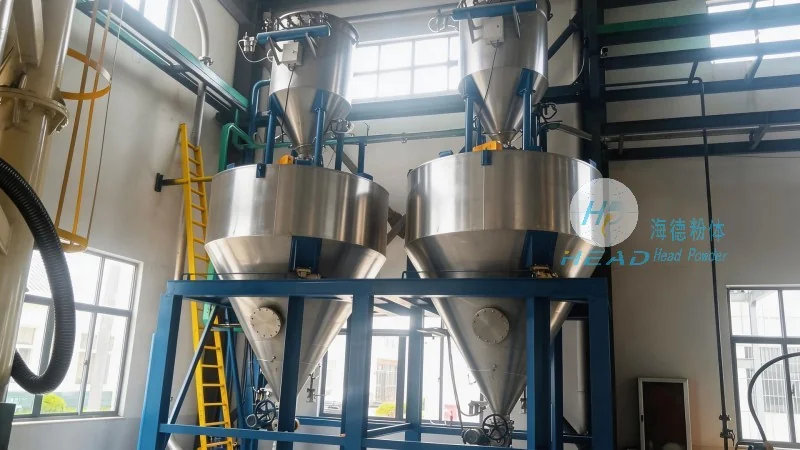
Overview of Pneumatic Conveying Technology for Stone Aggregate Powders
Pneumatic conveying systems utilize air or gas to transport bulk materials like stone aggregate powders through a pipeline network. These systems are widely used in construction, mining, and processing industries due to their ability to handle abrasive and dusty materials without mechanical wear. The design of a stone aggregate powder pneumatic conveying line typically includes a hopper for material storage, a feeder to control the flow rate, a conveying line with appropriate pressure and velocity, and a receiver for the discharged material. The system operates under either positive or negative pressure, depending on the specific requirements of the application.
Key Components of the Stone Aggregate Powder Pneumatic Conveying Line
The successful operation of a pneumatic conveying line for stone aggregate powders relies on several critical components. The material hopper serves as the primary storage vessel, ensuring a consistent supply of the powder to the feeder. The feeder, often a rotary or volumetric type, regulates the flow rate of the material into the conveying line, preventing overloading and maintaining stable pressure. The conveying line itself is constructed from durable materials, such as stainless steel or high-density polyethylene, to withstand the abrasive nature of stone aggregates. Additionally, the system includes a blower or compressor to generate the necessary air pressure, a filter to capture dust particles, and a receiver to collect the transported material. Each component plays a vital role in ensuring the efficient and safe operation of the entire system.
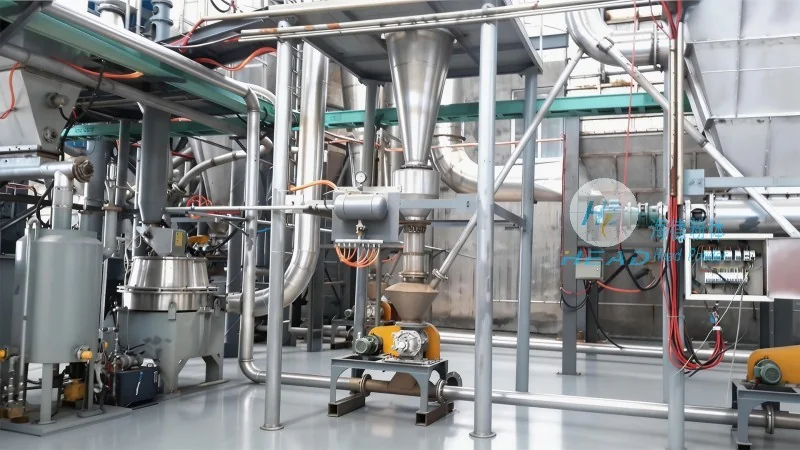
Operation Process of the Stone Aggregate Powder Pneumatic Conveying Line
The operation process of a stone aggregate powder pneumatic conveying line involves several sequential steps. Initially, the stone aggregate powder is loaded into the material hopper from a storage silo or bulk container. The feeder then starts to rotate, drawing the powder from the hopper and feeding it into the conveying line at a controlled rate. Simultaneously, the blower or compressor generates high-pressure air, which is introduced into the conveying line. The air and powder mixture travels through the pipeline at a velocity sufficient to keep the powder suspended and prevent settling. As the mixture moves through the system, it passes through any necessary fittings, such as bends or valves, which are designed to maintain the flow without causing blockages. The material is then discharged into the receiver, where the air and powder separate. The air is filtered and discharged, while the stone aggregate powder is collected for further processing or use. The entire process is automated, with sensors and controls monitoring the pressure, flow rate, and material level to ensure optimal performance and prevent system failures.
Working Principle of the Pneumatic Conveying System
The working principle of a stone aggregate powder pneumatic conveying line is based on the fundamental concept of fluidization and suspension. When air is introduced into the conveying line at a high velocity, it creates a turbulent flow that lifts and transports the powder particles. The key to effective conveying is maintaining the powder in a suspended state, which requires a balance between the air velocity and the particle size and density of the stone aggregate. If the air velocity is too low, the powder will settle and cause blockages; if it is too high, excessive energy consumption and wear on the system components may occur. The system operates under either positive pressure (where the conveying line is pressurized above atmospheric pressure) or negative pressure (where the line is depressurized below atmospheric pressure). Positive pressure systems are commonly used for short to medium distance conveying, while negative pressure systems are suitable for longer distances or when the material needs to be transported from multiple sources to a single receiver. The choice of pressure type depends on the specific application requirements and the characteristics of the stone aggregate powder being transported.
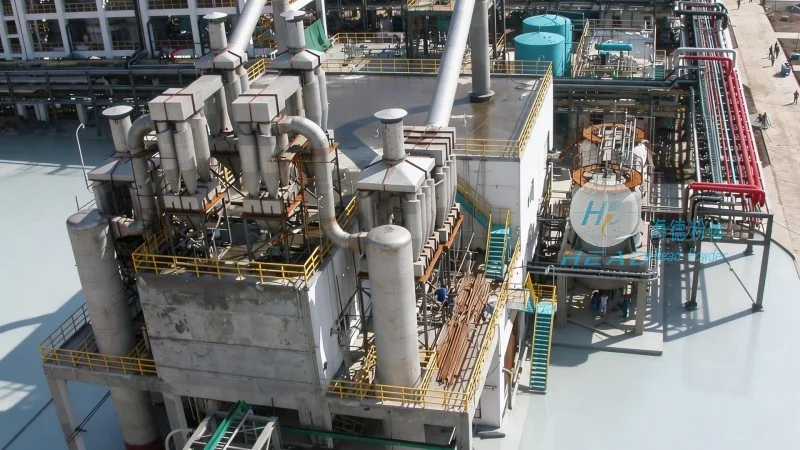
Advantages of Using a Pneumatic Conveying Line for Stone Aggregate Powders
Implementing a pneumatic conveying line for stone aggregate powders offers several advantages over traditional mechanical conveying methods. One of the primary benefits is the ability to handle abrasive and dusty materials without the need for moving parts that come into direct contact with the powder, reducing wear and maintenance costs. The system also provides a closed-loop operation, minimizing dust emissions and improving workplace safety. Additionally, pneumatic conveying allows for the integration of multiple feeding and receiving points, enabling flexible material handling in complex industrial settings. The automated nature of the system ensures consistent flow rates and reduces the risk of human error, leading to improved productivity and product quality. Furthermore, the system can be easily scaled to accommodate varying production volumes, making it suitable for both small-scale and large-scale operations.
Applications and Industries Using Stone Aggregate Powder Pneumatic Conveying Lines
Stone aggregate powder pneumatic conveying lines are widely used in various industries that require the efficient transport of bulk materials. In the construction industry, these systems are used to transport aggregates for concrete production, ensuring a steady supply of raw materials to mixing plants. The mining industry utilizes pneumatic conveying for transporting crushed stone and other mineral powders from processing facilities to storage or shipping locations. Additionally, the chemical and pharmaceutical industries may use such systems for handling stone aggregates used as fillers or carriers in various products. The versatility of the system makes it applicable in a range of applications where reliable and dust-free material transport is essential.
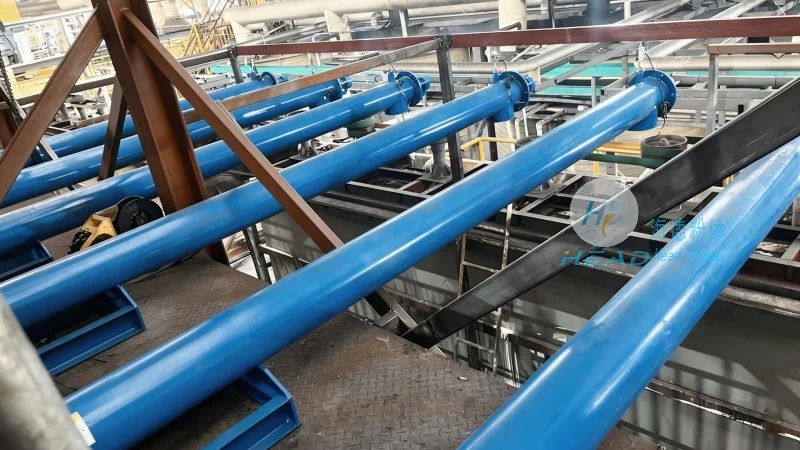
Maintenance and Operational Considerations for Pneumatic Conveying Systems
To ensure the long-term performance and reliability of a stone aggregate powder pneumatic conveying line, regular maintenance and proper operational considerations are essential. The system components, such as the hopper, feeder, and conveying line, should be inspected regularly for signs of wear or damage. The blower or compressor should be checked for proper air pressure and flow rates, as any deviations can affect the conveying efficiency. The filter system must be cleaned or replaced as needed to prevent clogging and maintain air quality. Additionally, the material level sensors and control systems should be calibrated to ensure accurate monitoring of the process. Proper maintenance not only extends the lifespan of the equipment but also minimizes downtime and operational costs. It is also important to follow the manufacturer's guidelines for operation, as improper use can lead to system failures or safety hazards. By adhering to regular maintenance schedules and operational best practices, users can maximize the efficiency and safety of their pneumatic conveying systems.
Conclusion
Pneumatic conveying lines for stone aggregate powders are an efficient and reliable solution for industrial material transport. The operation process involves loading the material, controlling the flow rate, generating air pressure, and transporting the powder through the pipeline. The working principle is based on fluidization and suspension, ensuring the material remains in a suspended state during transport. The system offers several advantages, including reduced wear, improved safety, and flexible integration into various industrial processes. With proper maintenance and operational considerations, these systems can provide long-term performance and contribute to increased productivity in the handling of stone aggregate powders. Shandong HeadPowder Engineering Co., Ltd. specializes in providing engineering solutions for such systems, serving clients in China and beyond.