

Operation Process and Working Principle of Bioenzyme Powder Pneumatic Conveying Line
HeadPowder, a leading enterprise in the field of powder processing technology, specializes in the design, manufacturing, and installation of advanced pneumatic conveying systems. The company's core product, the bioenzyme powder pneumatic conveying line, is engineered to efficiently handle bioenzyme powders with precision and reliability. This system is particularly valuable in industries such as pharmaceuticals, food processing, and biotechnology, where maintaining product integrity and process efficiency is paramount.
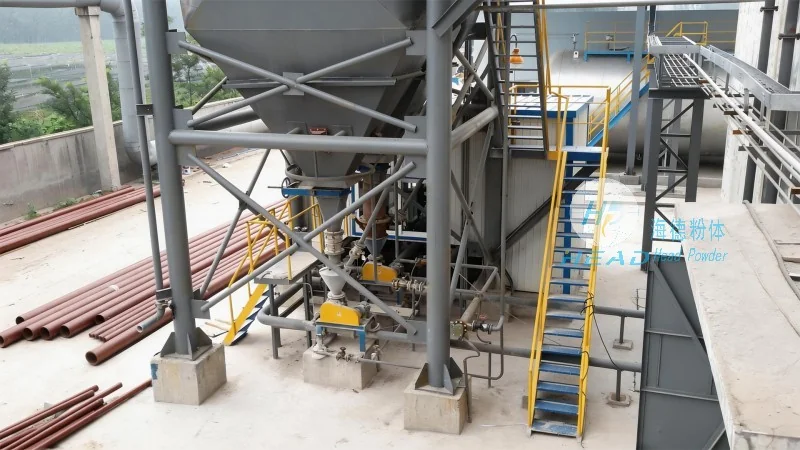
Introduction to the Bioenzyme Powder Pneumatic Conveying Line
The bioenzyme powder pneumatic conveying line is a sophisticated system designed to transport bioenzyme powders from storage silos or processing units to various destinations within a production facility. It operates on the principle of pneumatic conveying, which uses pressurized air or vacuum to move dry powders through a network of pipes. This method offers several advantages over traditional mechanical conveying, including reduced product contamination, lower maintenance requirements, and the ability to handle powders with high moisture content or sensitive characteristics.
Key Components of the Pneumatic Conveying System
The bioenzyme powder pneumatic conveying line consists of several critical components that work in tandem to ensure smooth operation. These components include the hopper or feeder, which feeds the powder into the system; the conveying line itself, which may be of the positive pressure or negative pressure type; the air compressor or vacuum pump, which provides the necessary pressure or vacuum; and the control system, which regulates the flow and pressure to maintain optimal performance. Each component is carefully selected and integrated to ensure compatibility with bioenzyme powders, which often require gentle handling to preserve their activity and quality.
Operation Process of the Bioenzyme Powder Pneumatic Conveying Line
The operation of the bioenzyme powder pneumatic conveying line begins with the loading of the bioenzyme powder into the storage hopper. The feeder then gradually releases the powder into the conveying line, where it is mixed with the pressurized air or vacuum. The air or vacuum propels the powder through the pipes to the destination point, such as a mixing tank, packaging machine, or another processing unit. The system is equipped with sensors and controls that monitor the flow rate, pressure, and temperature to ensure consistent and efficient transport. The process is typically automated, allowing for precise control and minimal human intervention, which enhances safety and reduces the risk of contamination.
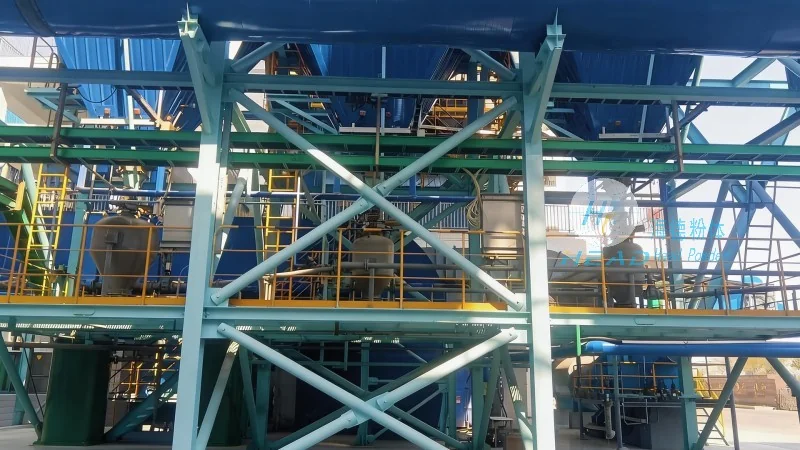
Working Principle of the Pneumatic Conveying System
The working principle of the bioenzyme powder pneumatic conveying line is based on the fundamental physics of fluid dynamics and particle transport. In positive pressure systems, a blower or compressor generates high-pressure air that is introduced into the conveying line at the inlet. The air flows through the pipe, carrying the bioenzyme powder particles along with it. The velocity of the air is maintained at a level that prevents particle separation or clogging, ensuring a smooth and continuous flow. In negative pressure systems, a vacuum pump creates a low-pressure environment at the outlet, drawing the powder and air mixture through the line. Both systems rely on the principle of fluidization, where the air flow suspends the powder particles, preventing them from settling or sticking to the pipe walls. This suspension allows for efficient transport over long distances and through complex pipe networks.
Advantages of the Bioenzyme Powder Pneumatic Conveying Line
The bioenzyme powder pneumatic conveying line offers numerous advantages over traditional conveying methods. Firstly, it provides a closed system, which prevents contamination from external sources and minimizes dust emissions, making it suitable for applications where product purity is critical. Secondly, the system is gentle on the bioenzyme powder, preserving its activity and quality by avoiding mechanical stress or high shear forces. Thirdly, it offers high efficiency in terms of material handling, as it can transport large quantities of powder over long distances with minimal energy consumption. Additionally, the system is flexible and can be easily integrated with existing production lines, allowing for seamless expansion or modification of the facility.
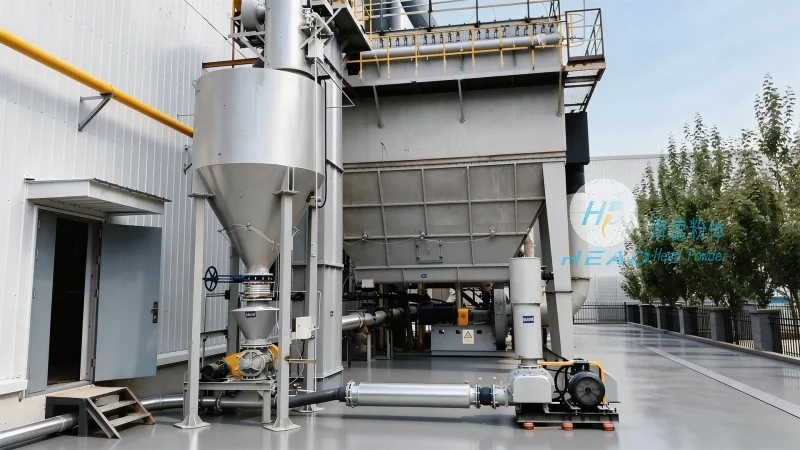
Application Examples and Industries
The bioenzyme powder pneumatic conveying line is widely used in various industries that require the handling of bioenzyme powders. In the pharmaceutical industry, it is used to transport enzymes used in drug manufacturing, ensuring that the final product meets stringent quality standards. In the food processing industry, it is employed to convey enzymes used in baking, dairy processing, and other food applications, maintaining the freshness and nutritional value of the products. In the biotechnology industry, it is utilized in the production of biofuels, enzymes for industrial cleaning, and other bioproducts, where consistent and reliable powder transport is essential for process optimization. The system's adaptability and efficiency make it a preferred choice for companies seeking to enhance their production capabilities and maintain high standards of product quality.
Maintenance and Operational Considerations
To ensure the long-term performance and reliability of the bioenzyme powder pneumatic conveying line, regular maintenance and proper operational practices are essential. The system should be inspected regularly for signs of wear and tear, such as clogged pipes or worn-out components. The air compressor or vacuum pump should be maintained according to the manufacturer's specifications to ensure optimal performance and energy efficiency. The control system should be calibrated periodically to maintain accurate flow and pressure readings. Additionally, the bioenzyme powder should be stored in a dry and cool environment to prevent moisture absorption, which can affect the powder's properties and the system's performance. By following these maintenance and operational guidelines, the system can operate efficiently for extended periods, minimizing downtime and maximizing productivity.
Conclusion
The bioenzyme powder pneumatic conveying line is a highly effective and reliable system for transporting bioenzyme powders in various industrial applications. Its advanced design and operation principles ensure that the powders are handled with precision and care, preserving their quality and activity. HeadPowder, with its expertise in powder processing technology, provides comprehensive solutions for the design, installation, and maintenance of these systems, helping companies in the pharmaceutical, food, and biotechnology industries to achieve their production goals efficiently and safely. The system's flexibility, efficiency, and adaptability make it an indispensable component of modern production facilities, contributing to improved productivity and product quality.