

Operation Process and Working Principle of Pepper Powder Pneumatic Conveying Line
The pepper powder pneumatic conveying line is a sophisticated system designed to transport pepper powder efficiently and safely. This article will delve into the operation process and working principle of such a system, highlighting key components and the technical aspects that ensure smooth and reliable powder handling.
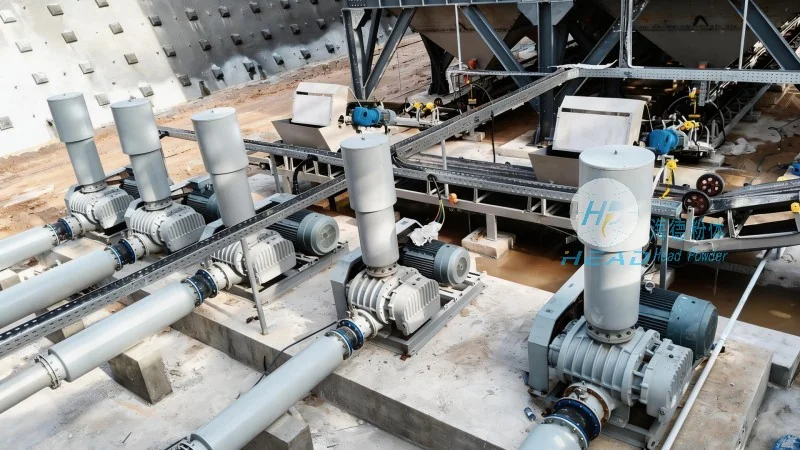
Manufactured by Shandong HeadPowder Engineering Co., Ltd., a leading provider in the field, this equipment exemplifies advanced engineering tailored for the food processing industry. The company, based in Shandong, China, specializes in designing and manufacturing pneumatic conveying systems for various powder applications.
Operation Process of the Pepper Powder Pneumatic Conveying Line
The operation of a pepper powder pneumatic conveying line typically involves several sequential steps. The process begins with the feeding of pepper powder into the hopper, where the material is stored and prepared for transport. A rotary valve or feeder then controls the flow rate, ensuring a consistent supply to the conveying line. The powder is then introduced into the pipeline, where it mixes with compressed air or other carrier gases. The air-powder mixture travels through the pipeline, propelled by the pressure differential between the inlet and outlet. As the mixture moves, it passes through various components such as bends, filters, and separation units. At the destination, the powder is separated from the air using cyclones or other separation devices, and the air is either filtered and recirculated or vented to the atmosphere.
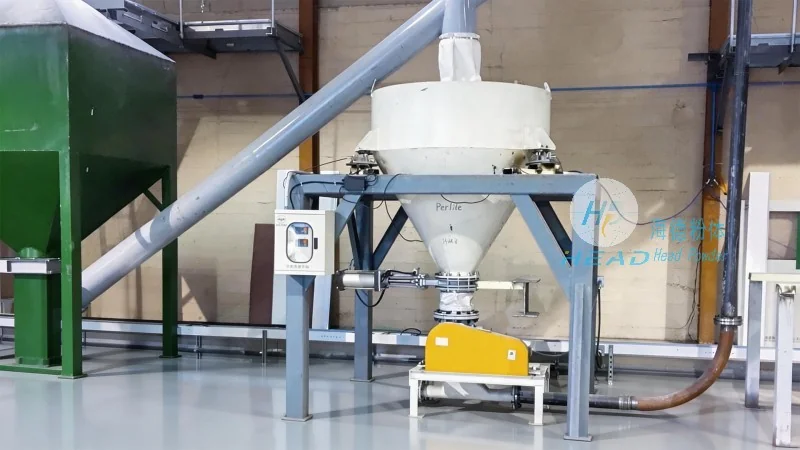
Working Principle of the Pneumatic Conveying System
The working principle of a pneumatic conveying system for pepper powder relies on the principles of fluid dynamics and gas-solid two-phase flow. In a typical positive pressure system, compressed air is introduced at the inlet, creating a pressure higher than the ambient air. This pressure drives the pepper powder particles through the pipeline. The velocity of the air is critical; it must be sufficient to lift and transport the powder particles without causing excessive wear or degradation. The system may use either dilute phase or dense phase conveying, depending on the material characteristics and required transport distance. Dilute phase systems operate at higher velocities, suitable for short distances, while dense phase systems use lower velocities and higher pressure, ideal for longer distances and more delicate powders.
Key Components and Their Functions
Several key components are integral to the efficient operation of the pepper powder pneumatic conveying line. The hopper serves as the storage and feeding unit, providing a consistent supply of powder. The rotary valve or feeder regulates the flow rate, preventing overloading or underflow. The pipeline system, often made of stainless steel or other corrosion-resistant materials, transports the air-powder mixture. Bends and elbows are designed to minimize pressure loss and prevent powder deposition. Filters and separation units ensure that the powder is clean and free from contaminants. The destination equipment, such as a silo or processing machine, receives the powder after separation from the air.
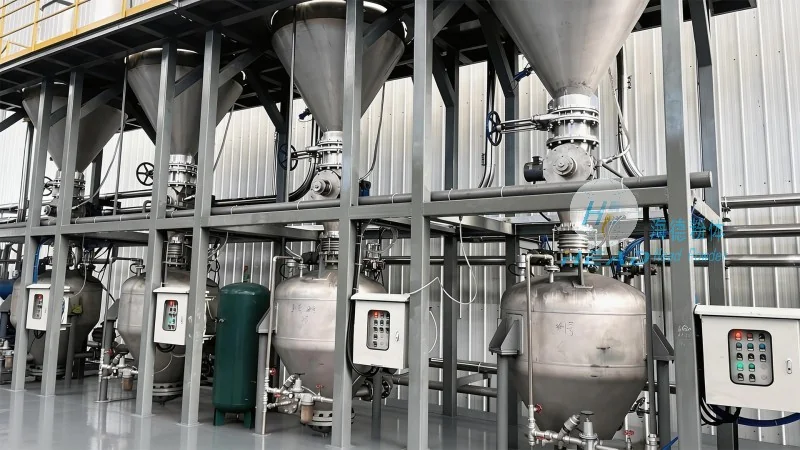
Advantages of Pneumatic Conveying for Pepper Powder
This system offers several advantages over traditional mechanical conveying methods. It eliminates the need for moving parts in contact with the powder, reducing contamination risks and maintenance requirements. The enclosed pipeline design ensures a clean and hygienic environment, which is crucial for food-grade products like pepper powder. Additionally, the system can handle varying flow rates and material properties, making it versatile for different production scales. The ability to transport powder over long distances without the need for intermediate storage or handling points also enhances operational efficiency.
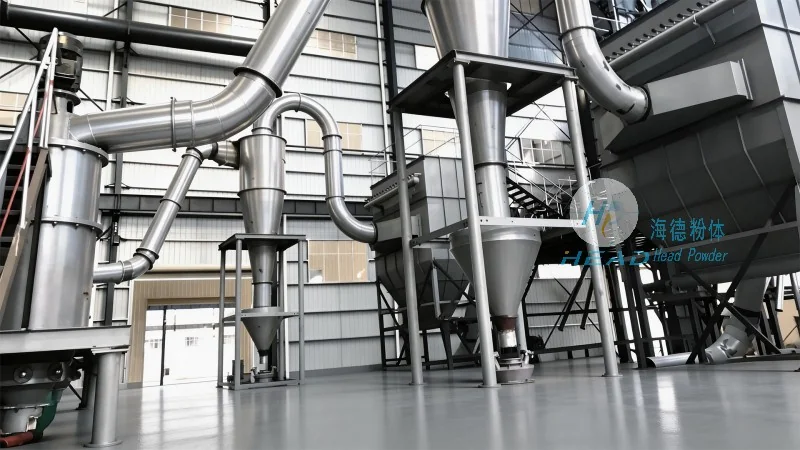
Maintenance and Operational Considerations
Proper maintenance is essential to ensure the longevity and performance of the pepper powder pneumatic conveying line. Regular cleaning of the hopper, pipeline, and separation units prevents clogging and maintains efficiency. Monitoring the air pressure and flow rate helps identify any issues early, preventing system downtime. The use of high-quality materials and components, such as stainless steel and durable seals, minimizes wear and tear. Additionally, the system should be designed to handle the specific characteristics of pepper powder, including its moisture content and particle size distribution, to optimize performance.
In conclusion, the pepper powder pneumatic conveying line is a highly efficient and reliable solution for transporting pepper powder. By understanding the operation process and working principle, users can optimize the system for their specific needs, ensuring consistent performance and product quality. The expertise of Shandong HeadPowder Engineering Co., Ltd. in designing and manufacturing such equipment ensures that clients receive a robust and durable system tailored to their requirements.