

Operation Process and Working Principle of Coking Coal Particle Pneumatic Conveying Line
Shandong HeadPowder Engineering Co., Ltd., a professional manufacturer based in Shandong, China, specializes in the design, production, and installation of advanced pneumatic conveying systems. The company's expertise lies in providing efficient and reliable solutions for transporting coking coal particles, a critical component in the steel industry. This article delves into the operation process and working principle of a coking coal particle pneumatic conveying line, highlighting the key components, operational steps, and technical advantages that ensure optimal performance.
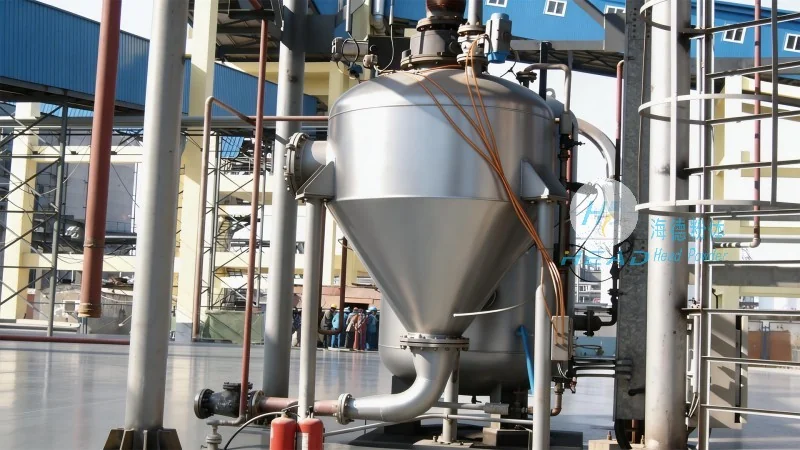
Overview of the Coking Coal Particle Pneumatic Conveying System
The coking coal particle pneumatic conveying line is a sophisticated system engineered to transport bulk coking coal from storage silos or stockpiles to processing units, such as coke ovens or blending facilities. The system operates on the principle of air movement, utilizing compressed air to move the solid particles through a network of pipes. This method offers significant advantages over traditional mechanical conveyors, including reduced maintenance, lower energy consumption, and enhanced safety due to the enclosed system design.
Key Components of the Pneumatic Conveying Line
The coking coal particle pneumatic conveying line consists of several essential components that work in tandem to ensure smooth operation. These components include:
1. Feeder Unit: The feeder is responsible for feeding the coking coal particles into the conveying line at a controlled rate. It ensures a consistent flow of material, preventing blockages and maintaining system efficiency. The feeder is typically equipped with a rotary valve or a screw conveyor to regulate the material discharge.
2. Compressor and Air Dryer: The compressor generates the high-pressure air required to move the coking coal particles through the pipes. The air dryer is crucial for removing moisture from the compressed air, as moisture can cause corrosion and affect the conveying performance. Proper air drying ensures the longevity of the system components and maintains the quality of the transported material.
3. Conveying Pipes: The pipes form the main pathway for the coking coal particles and air mixture. The pipes are made of durable materials, such as stainless steel or high-density polyethylene, to withstand the abrasive nature of the coking coal and the pressure of the compressed air. The pipe network includes bends, elbows, and straight sections, designed to minimize pressure loss and maintain the flow of material.
4. Receiver or Discharge Unit: The receiver is the terminal point of the conveying line where the coking coal particles are deposited. It is equipped with a hopper or a silo to store the material until it is further processed. The receiver may also include a dust collection system to capture any fine particles that escape during the conveying process, ensuring environmental compliance and product purity.
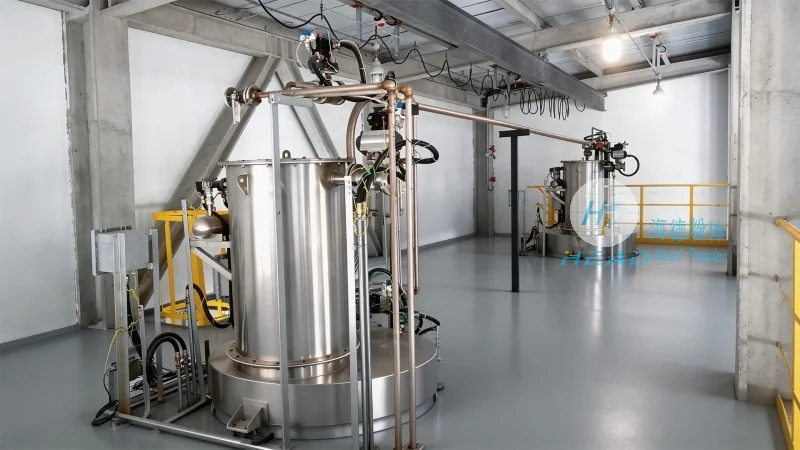
5. Control System: The control system monitors and regulates the operation of the entire pneumatic conveying line. It includes sensors for pressure, flow rate, and level, as well as control valves and actuators. The system allows for real-time adjustments to maintain optimal performance, detect faults, and prevent system failures.
Operation Process of the Coking Coal Particle Pneumatic Conveying Line
The operation of the coking coal particle pneumatic conveying line follows a systematic sequence of steps, ensuring efficient and continuous material transport. The process can be broken down into the following stages:
1. Material Preparation: The coking coal particles are first prepared by screening or crushing to ensure uniform size. This step is crucial as particle size directly impacts the conveying efficiency and system performance. The prepared material is then stored in a silo or stockpile, ready for feeding.
2. Feeding and Compression: The feeder unit takes the coking coal particles from the storage silo and feeds them into the conveying pipe. Simultaneously, the compressor generates high-pressure air, which is introduced into the pipe. The air and material mixture is then accelerated and moved through the pipe network.
3. Conveying and Transport: As the mixture travels through the pipes, the compressed air maintains the flow of coking coal particles. The system design, including pipe diameter, length, and bends, is optimized to minimize pressure drop and ensure smooth transport. The receiver unit is positioned at the end of the line to collect the material.
4. Discharge and Storage: Upon reaching the receiver, the coking coal particles are deposited into the hopper or silo. The air, now containing fine particles, is directed to a dust collection system for filtration and recycling. The collected dust is returned to the conveying line or disposed of as per environmental regulations.
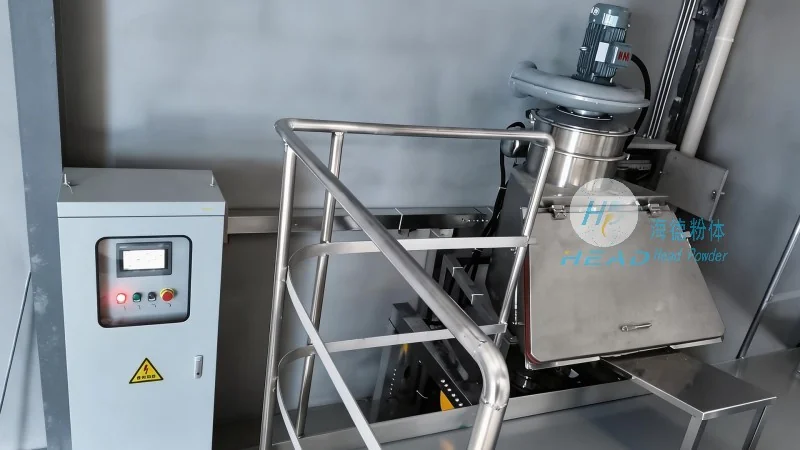
5. System Monitoring and Maintenance: Throughout the operation, the control system continuously monitors key parameters such as pressure, flow rate, and temperature. Any deviations are immediately detected and corrected. Regular maintenance, including cleaning of pipes, checking compressor performance, and inspecting the feeder and receiver units, is performed to ensure the system operates at peak efficiency and longevity.
Working Principle of the Pneumatic Conveying Line
The working principle of the coking coal particle pneumatic conveying line is based on the fundamental physics of fluid dynamics and particle motion. The system operates by creating a pressure differential between the inlet and outlet of the conveying pipe. The compressor generates a high-pressure air stream, which entrains the coking coal particles and propels them through the pipe network. The key principles involved include:
1. Air Entrainment: The compressed air creates a low-pressure zone within the pipe, which draws the coking coal particles into the air stream. The particles are then carried along with the air, forming a dense phase or dilute phase mixture depending on the system design and operating conditions.
2. Pressure Drop Management: The pressure drop along the pipe length is a critical factor in the conveying efficiency. The system design, including pipe diameter, length, and the number of bends, is optimized to minimize pressure loss. This ensures that the compressor can maintain sufficient pressure to transport the material over long distances without excessive energy consumption.
3. Particle Velocity and Suspension: The velocity of the air in the pipe determines the ability to suspend the coking coal particles. At a certain velocity, the air's drag force overcomes the particle's weight, keeping the particles in suspension. This prevents particle settling and ensures continuous flow. The system is designed to maintain this optimal velocity throughout the conveying process.
4. System Balance and Recirculation: In some systems, a portion of the air is recirculated to improve energy efficiency and reduce air consumption. The control system monitors the air flow and adjusts the recirculation rate as needed. This balance ensures that the system operates efficiently while minimizing energy costs.
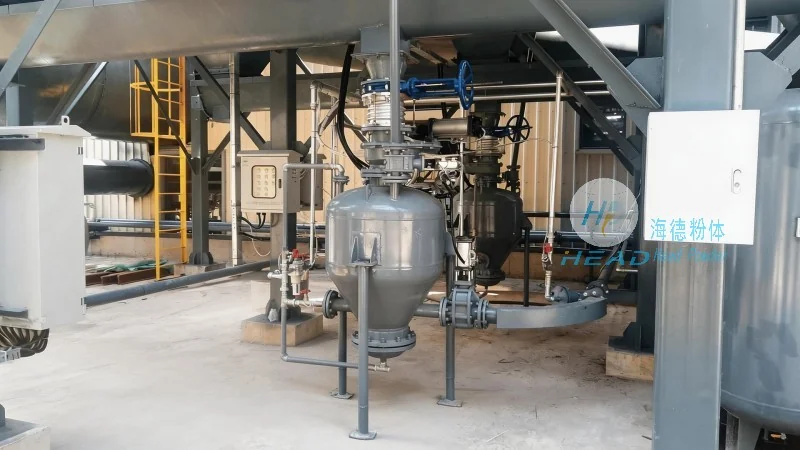
Technical Advantages of the Coking Coal Particle Pneumatic Conveying Line
The coking coal particle pneumatic conveying line offers several technical advantages over traditional mechanical conveyors, making it the preferred choice for many industrial applications. These advantages include:
1. Reduced Maintenance: The enclosed system design minimizes exposure to dust and debris, reducing the need for frequent maintenance. The lack of moving parts in the pipe network also reduces wear and tear, resulting in lower maintenance costs and longer system lifespan.
2. Lower Energy Consumption: Compared to mechanical conveyors, pneumatic systems typically consume less energy per ton of material transported. The efficient design of the pipe network and the use of high-pressure air reduce energy losses, leading to cost savings over the system's operational life.
3. Enhanced Safety: The enclosed system prevents dust emissions, reducing the risk of explosions and improving workplace safety. The absence of moving parts also minimizes the risk of mechanical accidents, making the system safer for operators and maintenance personnel.
4. Flexibility and Scalability: The pneumatic conveying line can be easily modified or expanded to accommodate changes in production requirements. The system can be reconfigured to transport different materials or to extend the conveying distance, providing flexibility for future growth and adaptation.
5. Improved Product Quality: The enclosed system design prevents contamination from external sources, ensuring the purity of the coking coal particles. The gentle handling of the material during transport minimizes breakage and degradation, maintaining the quality of the final product.