

Operation Process and Working Principle of Powder Pneumatic Conveying Line for Lithium-Ion Battery R
HeadPowder, a leading engineering company based in Shandong, China, specializes in the design and implementation of advanced powder handling systems. Among their core offerings is the powder pneumatic conveying line, specifically engineered for the efficient transport of raw materials used in lithium-ion battery production. This technology is crucial for ensuring consistent quality and operational efficiency in the battery manufacturing process.
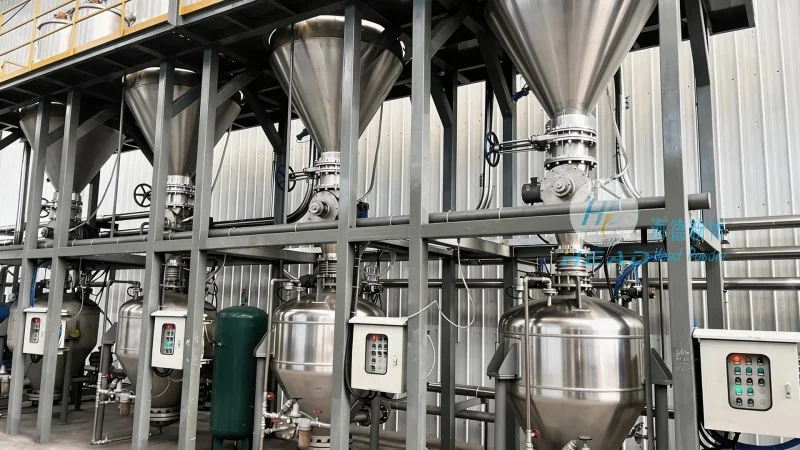
Understanding the Working Principle of Pneumatic Conveying Systems
The fundamental principle behind pneumatic conveying is the use of air or gas to move particulate materials through a pipeline. In the context of lithium-ion battery raw materials, such as lithium carbonate, nickel sulfate, and other powders, this method offers a dust-free, low-maintenance alternative to traditional mechanical conveying. The system operates by creating a pressure differential, either through positive pressure (where air is blown into the line) or negative pressure (where air is drawn out), to propel the powder particles along the pipeline. The choice between positive and negative pressure depends on factors like material characteristics, distance, and system layout.
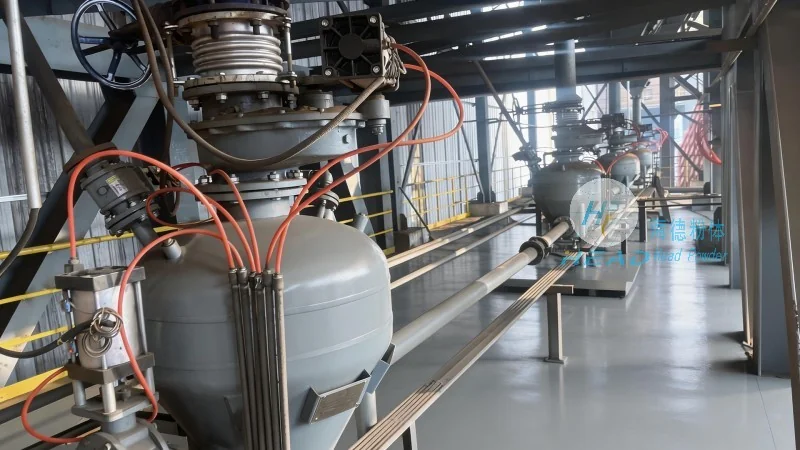
Step-by-Step Operation Process of the Powder Conveying Line
The operation of a powder pneumatic conveying line for lithium-ion battery raw materials involves several key steps. First, the raw material is fed into the hopper or storage silo. From there, it is transferred to the conveying line via a rotary valve or feeder, which controls the flow rate to maintain consistent material movement. The material then enters the pipeline, where it is mixed with the conveying air. The air velocity is carefully controlled to ensure that the powder particles are fully suspended and transported without clogging or degradation. As the material travels through the pipeline, it may pass through various components such as bends, filters, and pressure vessels, which help maintain system efficiency and material quality. Finally, the material is discharged into the receiving hopper or processing equipment at the destination point. Throughout this process, sensors and control systems monitor parameters like pressure, flow rate, and temperature to ensure optimal performance and prevent issues like blockages or material degradation.
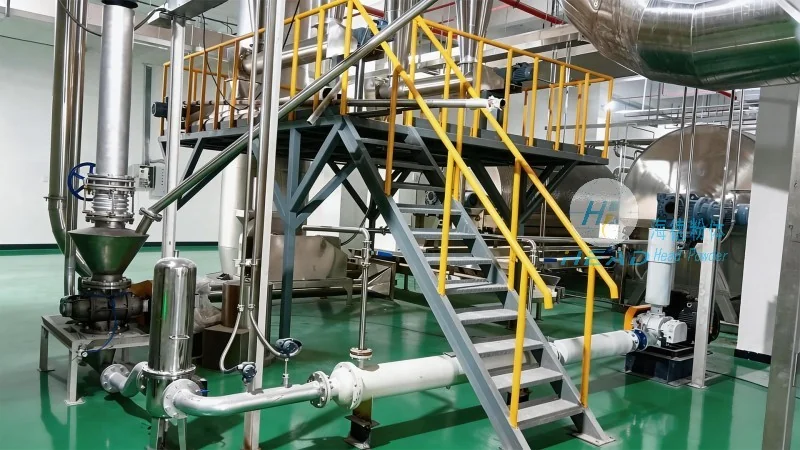
Key Components and Their Roles in the Conveying System
Several critical components work together to ensure the smooth operation of the powder pneumatic conveying line. The hopper or silo serves as the storage and feeding unit, providing a consistent supply of raw material. The rotary valve or feeder regulates the material flow, preventing overfilling and ensuring a steady feed into the conveying line. The pipeline itself is typically made of stainless steel or other corrosion-resistant materials to handle the chemical properties of lithium-ion battery raw materials. The air compressor or vacuum pump generates the necessary pressure or vacuum to move the material. Filters are installed to remove any dust or debris from the conveying air, protecting downstream equipment and maintaining air quality. Pressure vessels and surge tanks may be used to store excess material or buffer pressure fluctuations, ensuring system stability. Finally, the control system integrates all components, allowing for real-time monitoring and adjustment of operational parameters to optimize performance and minimize downtime.
Advantages of Pneumatic Conveying for Lithium-Ion Battery Raw Materials
Compared to traditional mechanical conveying methods, pneumatic conveying offers several advantages for handling lithium-ion battery raw materials. First, it provides a dust-free environment, which is essential for maintaining the purity of sensitive materials and ensuring a safe working environment. Second, it eliminates the need for mechanical components like belts or chains, reducing maintenance requirements and extending the system's lifespan. Third, the system can handle a wide range of particle sizes and densities, making it versatile for various raw materials used in battery production. Additionally, pneumatic conveying allows for longer transport distances without significant loss of material quality or efficiency. These advantages make it a preferred choice for modern battery manufacturing facilities seeking to enhance operational efficiency and product quality.
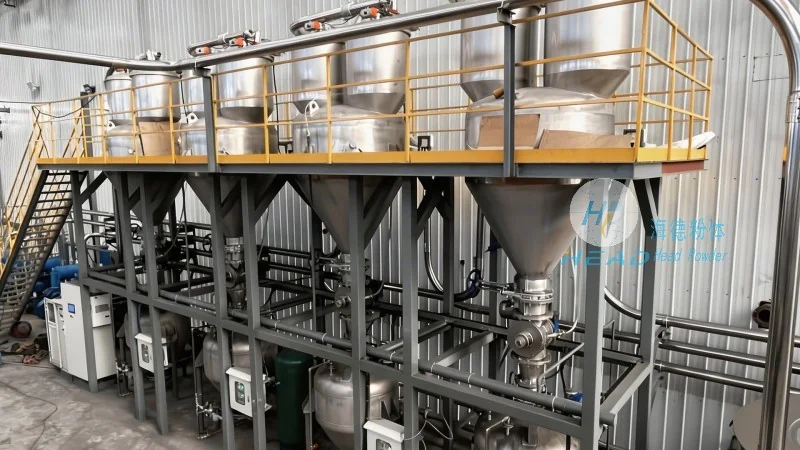
Conclusion and Company Expertise
HeadPowder Engineering Co., Ltd., with its headquarters in Shandong, China, is a trusted provider of advanced powder handling solutions tailored to the needs of the lithium-ion battery industry. Their powder pneumatic conveying lines are designed to meet the stringent requirements of raw material transport, ensuring consistent quality, efficient operation, and minimal downtime. By leveraging their expertise in engineering and material handling, HeadPowder helps battery manufacturers optimize their production processes and stay competitive in the rapidly evolving energy storage market.