

Operation Process and Working Principle of Air-Driven Transport for Sediment Materials
At Shandong HeadPowder Engineering Co., Ltd., we specialize in the design, manufacturing, and implementation of air-driven transport systems tailored for the efficient handling of sediment materials. This technology, also known as pneumatic conveying, has revolutionized the industry by providing a reliable, flexible, and cost-effective method for transporting bulk materials like sand, silt, and other fine particulates. Understanding the operation process and working principle of these systems is crucial for optimizing performance and ensuring long-term operational efficiency.
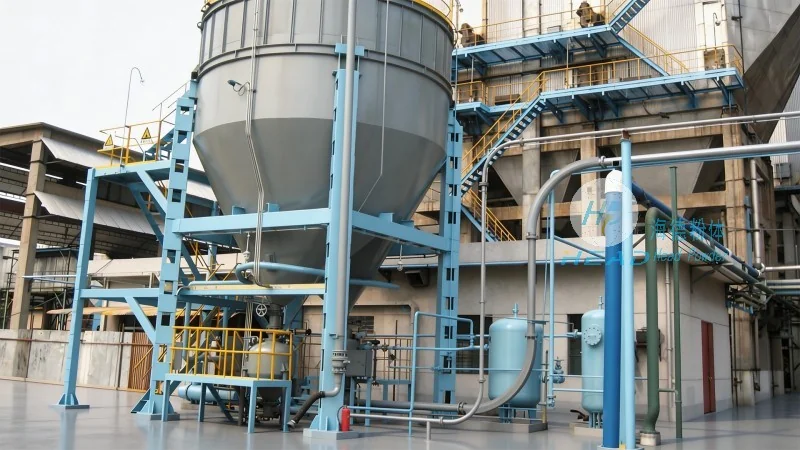
Working Principle of Air-Driven Transport Systems
The core of air-driven transport lies in the use of compressed air to move material through a pipeline. The system typically consists of a material hopper, a feeder, a conveying line, and a receiver. The process begins with the material being fed into the hopper, where it is then introduced into the conveying line by the feeder. Compressed air, often supplied by a blower or compressor, is introduced at the inlet of the conveying line, creating a pressure differential that propels the material forward. The air and material mixture travels through the pipeline, with the air providing the necessary force to overcome friction and gravity. At the receiving end, the material is separated from the air, usually through a cyclone separator or a filter, and collected in the receiver. This separation process is critical for maintaining the purity of the material and ensuring the air is properly filtered before being released back into the environment.
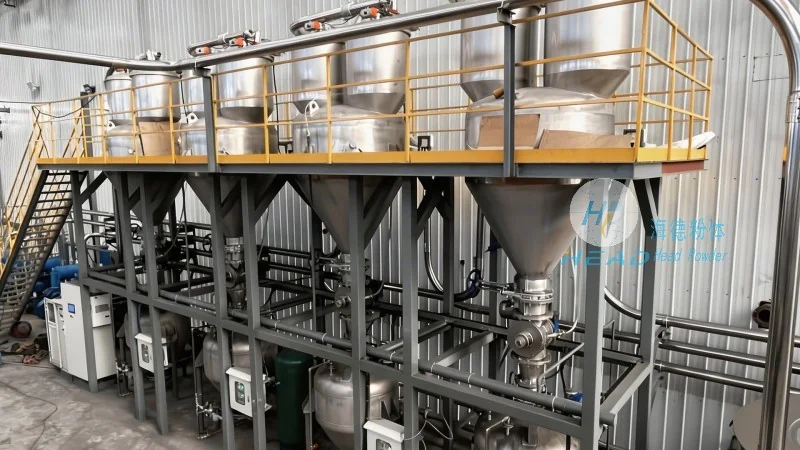
Key Components and Their Roles
Several key components work in tandem to ensure the smooth operation of an air-driven transport system. The material hopper serves as the storage container, holding the sediment material until it is needed for transport. The hopper is designed to accommodate the volume of material needed for the operation, with a lid or cover to prevent contamination and dust from entering. The feeder, which can be a rotary valve, screw feeder, or other type of device, regulates the flow of material into the conveying line, ensuring a consistent and controlled feed rate. The conveying line itself is typically made of metal or plastic, chosen for its durability and resistance to corrosion from the sediment materials. The blower or compressor provides the necessary compressed air, with the pressure and flow rate being adjustable to match the specific requirements of the material being transported. The receiver, often equipped with a dust collection system, collects the material and may include features like a discharge valve to control the release of the material. Additionally, a filter or cyclone separator is used to separate the material from the air, preventing dust and particulates from being released into the atmosphere and ensuring compliance with environmental regulations.
Operation Process: Step-by-Step
The operation process of an air-driven transport system involves several distinct steps, each critical to the overall efficiency and effectiveness of the system. First, the sediment material is loaded into the material hopper. The hopper is designed to accommodate the volume of material needed for the operation, with a lid or cover to prevent contamination and dust from entering. Next, the feeder is activated, which regulates the flow of material from the hopper into the conveying line. The feeder may be controlled by a timer, a level sensor, or a manual switch, depending on the system's configuration. As the material enters the conveying line, compressed air is introduced at the inlet, creating a pressure differential. The air flows through the pipeline, carrying the material particles along with it. The mixture travels through the pipeline, with the air providing the necessary force to move the material. At the receiving end, the material and air mixture enters a separator, such as a cyclone or a filter. The separator uses centrifugal force or filtration to separate the material from the air. The material is collected in the receiver, while the air is filtered and either recirculated or vented to the atmosphere. The receiver may include a discharge mechanism, such as a gate valve or a rotary valve, to control the release of the material to the next processing stage. Throughout the process, monitoring devices, such as pressure gauges and flow meters, are used to ensure the system is operating within the optimal parameters. These devices provide real-time data on the pressure, flow rate, and material level, allowing for adjustments to be made as needed to maintain efficiency.
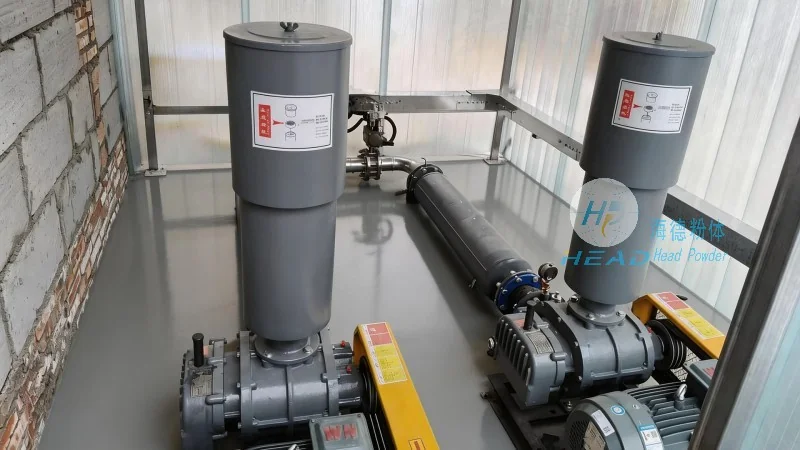
Advantages of Air-Driven Transport for Sediment Materials
Compared to traditional methods like belt conveyors or bucket elevators, air-driven transport offers several advantages for handling sediment materials. One of the primary benefits is the ability to transport materials over long distances with minimal maintenance. The system is enclosed, which reduces dust emissions and improves safety in the workplace. Additionally, the flexibility of the system allows for changes in the layout or direction of the conveying line without major modifications. The system can also handle materials with varying particle sizes and moisture content, making it suitable for a wide range of applications. Another advantage is the cost-effectiveness of the system, as it requires less space and has lower energy consumption compared to other methods. The enclosed nature of the system also helps to prevent material loss and contamination, ensuring the quality of the material being transported. Furthermore, the system can be integrated with other processing equipment, such as mixers or classifiers, to create a complete material handling solution.