

Operation Process and Working Principle of Pneumatic Conveying for White Powder Materials
HeadPowder, a leading provider in the field of material handling solutions, specializes in the design, manufacturing, and implementation of pneumatic conveying systems tailored for white powder materials. This article delves into the operation process and working principle of such systems, offering a comprehensive understanding of how these technologies efficiently transport fine powders like flour, talc, or other similar materials.
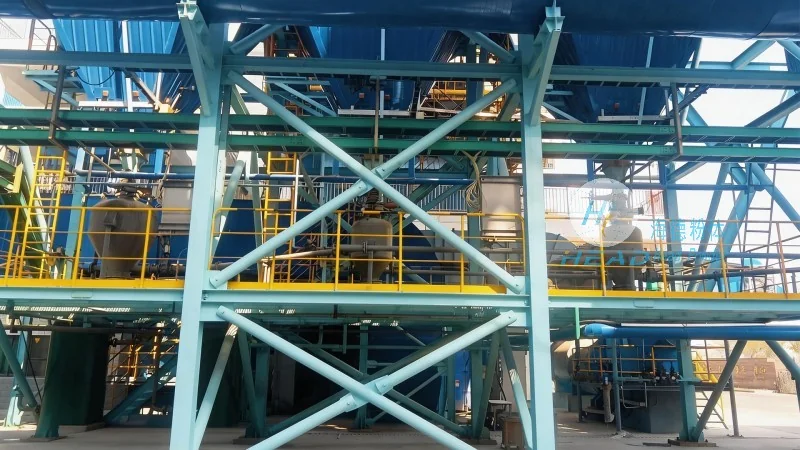
Understanding Pneumatic Conveying Systems for White Powder Materials
Pneumatic conveying, also known as pneumatic transport, is a method of transporting bulk materials through a pipeline using a gas stream, typically air. For white powder materials, which often require gentle handling to prevent degradation or agglomeration, specialized systems are employed to ensure optimal performance and material integrity. These systems are designed to handle materials with low density, high flowability, and sensitivity to moisture or contamination, making them ideal for industries such as food processing, pharmaceuticals, and chemical manufacturing.
The Core Components and Their Functions in Pneumatic Conveying
At the heart of a pneumatic conveying system for white powder materials are several key components that work in tandem to facilitate efficient material transport. The primary components include a material feed hopper, a conveyor line (often a flexible or rigid pipeline), a blower or compressor to generate the air flow, a control valve system, and a discharge unit. Each component plays a crucial role in the overall operation:
The material feed hopper is responsible for storing and feeding the white powder material into the system. It is typically equipped with a gate valve or a rotary valve to control the flow rate, ensuring a consistent supply of material to the conveyor line. The hopper design often incorporates features to prevent material bridging or caking, which can occur with fine powders.
The conveyor line, usually made of stainless steel or other corrosion-resistant materials, serves as the pathway for both the material and the air. For white powder materials, the line is often equipped with internal liners or special coatings to minimize material buildup and ensure smooth flow. The line may include bends, elbows, or expansion joints to accommodate changes in direction or elevation, maintaining the integrity of the material during transport.
The blower or compressor is the power source that generates the necessary air pressure and flow rate to move the material through the pipeline. For white powder applications, the air volume and pressure are carefully controlled to avoid excessive pressure that could damage the material or cause excessive wear on system components. The choice of blower type (e.g., centrifugal or positive displacement) depends on the specific material characteristics and the required conveying distance.
The control valve system regulates the air flow and material feed, ensuring that the system operates within optimal parameters. This includes devices such as pressure regulators, flow meters, and safety valves to prevent overpressure or underflow conditions. The control system may also include sensors to monitor key parameters like pressure, temperature, and material level, providing real-time feedback for process adjustments.
The discharge unit, located at the end of the conveyor line, collects the conveyed material and transfers it to the next processing stage. This unit may include a rotary valve, a bagging machine, or a storage silo, depending on the application. The design of the discharge unit is critical to prevent material spillage and ensure a clean, efficient transfer.
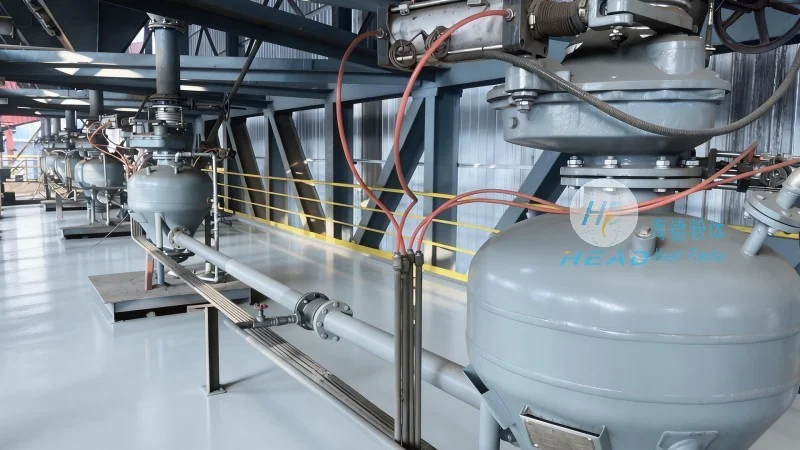
The Working Principle of Pneumatic Conveying for White Powder Materials
The operation of a pneumatic conveying system for white powder materials follows a systematic process that combines material feeding, air flow generation, and material transport. The working principle can be broken down into several sequential steps:
1. Material Preparation and Feeding: The white powder material is first loaded into the feed hopper. The hopper is then charged with the material, and the gate valve or rotary valve is opened to allow the material to flow into the conveyor line. The flow rate is controlled to match the air flow rate, ensuring that the material is fully entrained by the air stream.
2. Air Flow Generation: The blower or compressor is activated, generating a high-pressure air stream that flows through the conveyor line. The air pressure and volume are adjusted to create a sufficient velocity to lift and transport the white powder particles. The air flow rate is typically higher than the material flow rate to ensure complete entrainment.
3. Material Entrainment and Transport: As the air flows through the conveyor line, it picks up the white powder particles from the feed hopper. The particles are suspended in the air stream and carried along the pipeline to the discharge unit. The conveying process is continuous, with the material and air moving together as a single stream.
4. Discharge and Material Transfer: At the end of the conveyor line, the air stream slows down, and the white powder particles are deposited into the discharge unit. The air continues to flow through the system, often being filtered and recycled to maintain efficiency and environmental compliance. The discharged material is then transferred to the next stage of processing, such as packaging or further manufacturing.
Key Considerations for Efficient Pneumatic Conveying of White Powder Materials
Several factors must be considered to ensure the efficient and reliable operation of pneumatic conveying systems for white powder materials. These considerations include material properties, system design, and operational parameters:
Material Properties: The characteristics of the white powder material, such as particle size, density, flowability, and moisture content, significantly impact the design and operation of the conveying system. For example, fine particles may require higher air velocities to prevent clogging, while cohesive materials may need special hopper designs to prevent bridging.
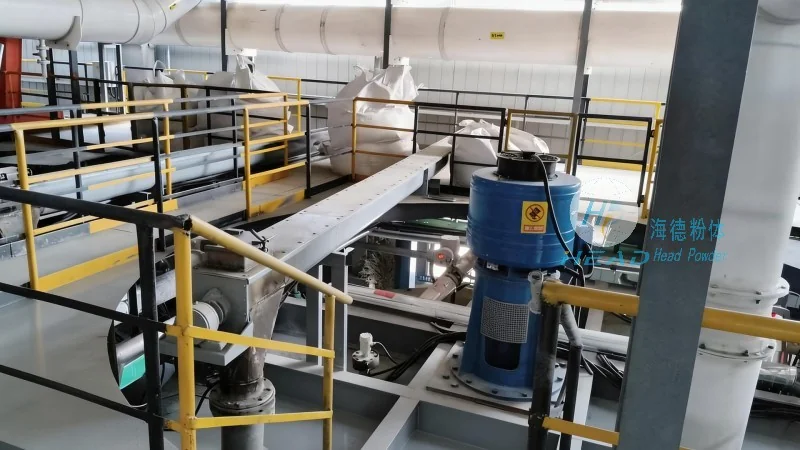
System Design: The layout and configuration of the conveying system, including the length of the pipeline, number of bends, and elevation changes, affect the overall efficiency and energy consumption. Proper system design minimizes pressure losses and ensures that the material is conveyed without excessive wear or degradation.
Operational Parameters: The air pressure, flow rate, and material feed rate are critical parameters that must be optimized for each application. Proper control of these parameters ensures that the system operates within its design limits, maximizing throughput while minimizing energy consumption and material loss.
Maintenance and Safety: Regular maintenance of the pneumatic conveying system is essential to ensure long-term reliability and performance. This includes cleaning the pipeline, replacing worn components, and monitoring system performance. Safety considerations, such as proper ventilation and explosion-proof designs, are also crucial, especially when handling materials that may be flammable or explosive.
Applications of Pneumatic Conveying for White Powder Materials
Pneumatic conveying systems for white powder materials are widely used in various industries due to their efficiency and ability to handle delicate materials. Some common applications include:
Food Processing Industry: Conveying flour, sugar, and other food powders from storage silos to processing equipment, such as mixers or extruders. The systems are designed to maintain food safety standards and prevent contamination.
Pharmaceutical Industry: Transporting active pharmaceutical ingredients (APIs), excipients, and other fine powders in a sterile and controlled environment. The systems are often equipped with HEPA filters and stainless steel components to ensure product purity.
Chemical Manufacturing: Conveying talc, calcium carbonate, and other chemical powders from raw material storage to production lines. The systems are designed to handle corrosive or abrasive materials and maintain process efficiency.
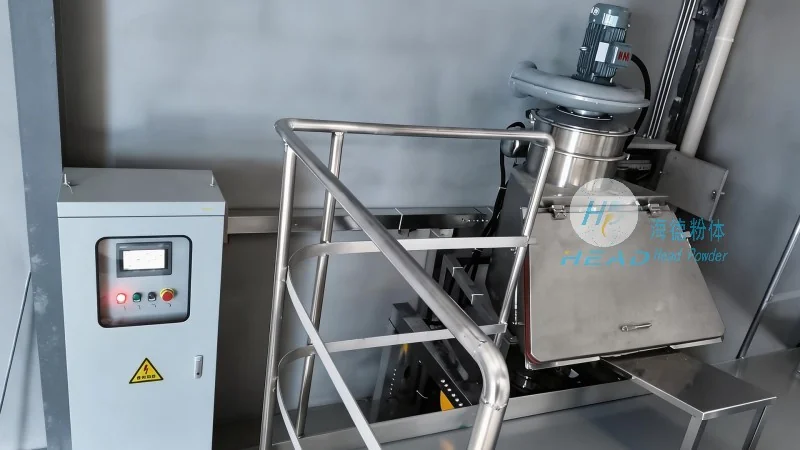
Mineral Processing: Transporting fine mineral powders, such as kaolin or silica, from crushing and grinding operations to storage or further processing. The systems are often integrated with other material handling equipment to form a complete processing line.
Advantages of Pneumatic Conveying for White Powder Materials
Compared to traditional material handling methods, such as belt conveyors or bucket elevators, pneumatic conveying offers several advantages for white powder materials:
Efficiency and Throughput: Pneumatic systems can achieve high material throughput with minimal downtime, making them ideal for high-volume applications.
Material Integrity: The gentle handling of the material in a closed system prevents degradation, agglomeration, or contamination, ensuring product quality.
Space Efficiency: The compact design of pneumatic conveying systems allows for installation in limited spaces, making them suitable for facilities with space constraints.
Flexibility and Versatility: Pneumatic systems can be easily reconfigured or expanded to accommodate changes in production requirements or material types.
Environmental Benefits: The closed system design reduces dust emissions and improves air quality, making it environmentally friendly.