

Operation Process and Working Principle of Gelatin Material Pneumatic Conveying
HeadPowder, a leading provider in the field of material handling solutions, specializes in advanced pneumatic conveying systems tailored for the efficient transport of gelatin materials. Based in Shandong, China, the company leverages decades of industry expertise to deliver robust and reliable systems that meet the stringent demands of modern processing facilities. This article delves into the operation process and working principles of gelatin material pneumatic conveying, highlighting the technical aspects and practical applications that define the effectiveness of such systems.
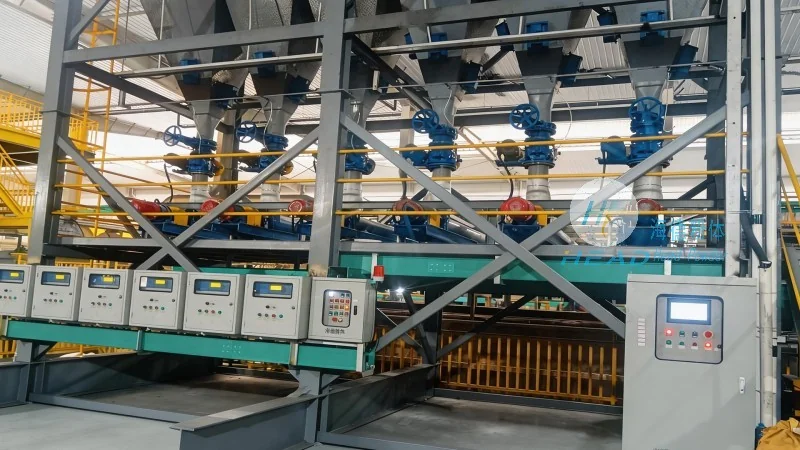
Gelatin Material Pneumatic Conveying: An Overview
Gelatin, a versatile protein derived from collagen, is widely used in food, pharmaceutical, and industrial applications. The efficient handling of gelatin powders and granules is critical to maintaining product quality and operational efficiency. Pneumatic conveying offers a non-contact, hygienic, and flexible method for transporting these materials, making it an ideal solution for industries where contamination control and process continuity are paramount. HeadPowder's systems are engineered to address the unique challenges associated with gelatin, such as its hygroscopic nature and varying particle sizes.
The Operation Process of Gelatin Material Pneumatic Conveying
The operation of a gelatin material pneumatic conveying system involves several key steps, each designed to ensure smooth and consistent material transport. The process typically begins with the loading of gelatin from a storage silo or hopper into the conveying line. A positive displacement blower or a rotary lobe pump generates the necessary air pressure to move the material through the system. The gelatin particles are then suspended in the air stream and transported to the destination point, such as a processing unit or a storage tank. The system includes components like in-line filters, pressure relief valves, and flow meters to monitor and control the conveying process. HeadPowder's systems are equipped with advanced controls that allow for real-time adjustments, ensuring optimal performance and minimizing downtime.
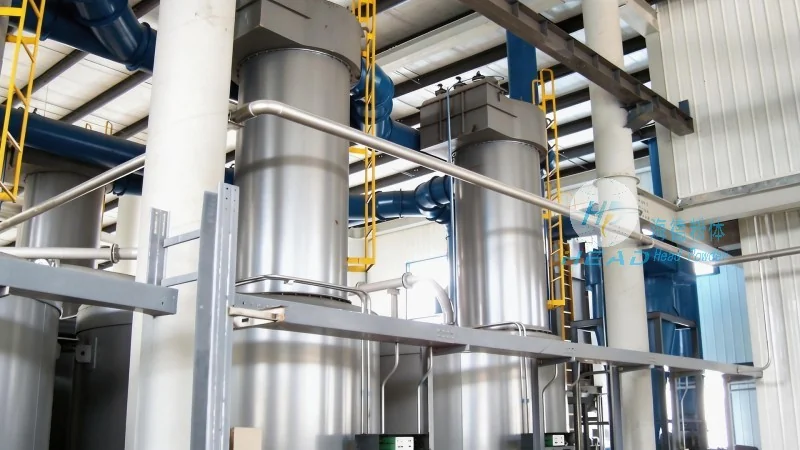
Working Principle of Gelatin Material Pneumatic Conveying
The working principle of pneumatic conveying relies on the fundamental concept of fluidization and suspension of solid particles in a gas stream. In the case of gelatin materials, the system uses compressed air to create a low-pressure or high-pressure environment that lifts and transports the particles. The air velocity is carefully controlled to maintain the material in a suspended state, preventing blockages and ensuring uniform flow. The system's design, including the choice of air ducts, elbows, and expansion joints, is crucial for minimizing pressure losses and maintaining the integrity of the gelatin particles. HeadPowder's engineers employ computational fluid dynamics (CFD) to optimize the system layout, ensuring that the conveying process is both efficient and gentle on the material.
Key Components and Their Roles in Gelatin Pneumatic Conveying
Several critical components work in tandem to ensure the successful operation of a gelatin material pneumatic conveying system. The primary components include the air source (blower or pump), the conveying line (flexible or rigid), the material feed system (hopper or silo), and the discharge unit (receiver or tank). Each component plays a vital role in the overall process. The air source provides the necessary pressure and volume of air to move the material. The conveying line transports the material from the feed point to the discharge point, with the design of the line (e.g., diameter, length, and curvature) affecting the system's efficiency. The material feed system ensures a consistent and controlled flow of gelatin into the conveying line, preventing overloading or underloading. The discharge unit collects the material at the end of the line, with features like filters and separators to remove any air or contaminants. HeadPowder's systems integrate these components seamlessly, ensuring smooth operation and minimal maintenance.
Advantages of Using Pneumatic Conveying for Gelatin Materials
Pneumatic conveying offers numerous advantages over traditional mechanical conveying methods for gelatin materials. One of the most significant benefits is the hygienic and non-contact nature of the process, which is essential for food and pharmaceutical applications where product purity is non-negotiable. The system eliminates the need for moving parts in direct contact with the material, reducing the risk of contamination and product degradation. Additionally, pneumatic conveying provides flexibility in terms of layout, allowing for horizontal, vertical, or combined (mixed) conveying paths. This adaptability makes it suitable for complex processing facilities with multiple destinations. The system also offers energy efficiency, as the air can be recycled and reused, reducing operational costs. Furthermore, the gentle handling of gelatin particles minimizes product degradation, preserving the quality and functionality of the material.
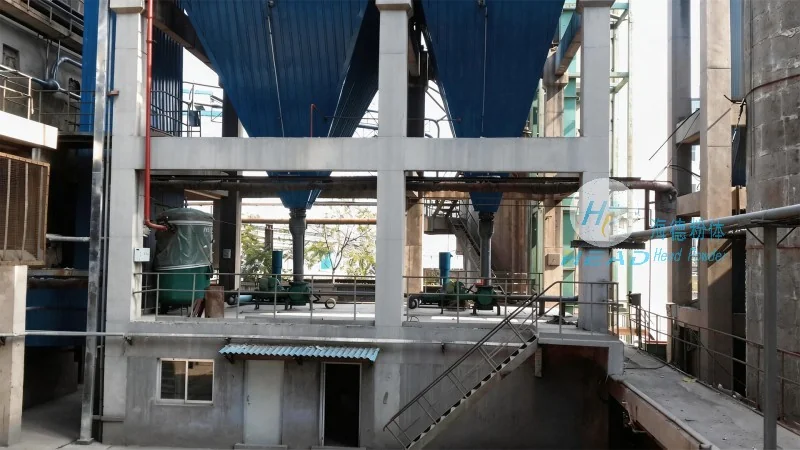
Application Examples and Industry Impact
Gelatin material pneumatic conveying systems are widely used in various industries, including food processing, pharmaceutical manufacturing, and cosmetics. In the food industry, these systems are employed to transport gelatin from storage to production lines, ensuring a continuous supply of high-quality material. In pharmaceutical applications, the hygienic design of the system is critical to maintaining compliance with regulatory standards. The cosmetics industry also benefits from the efficient and clean transport of gelatin-based ingredients. HeadPowder's systems have been successfully implemented in numerous facilities, improving operational efficiency and product quality. The company's commitment to innovation and customer satisfaction has made it a trusted partner for businesses seeking reliable material handling solutions.
Conclusion: The Future of Gelatin Material Handling
As the demand for gelatin and other fine materials continues to grow, the importance of efficient and reliable material handling systems becomes increasingly critical. Pneumatic conveying, with its advanced technology and tailored solutions from companies like HeadPowder, offers a superior approach to transporting gelatin materials. By understanding the operation process and working principles of such systems, industries can optimize their processes, reduce costs, and enhance product quality. HeadPowder, based in Shandong, China, remains at the forefront of this technology, providing customized solutions that meet the unique needs of each client. The future of gelatin material handling lies in the continued development and application of advanced pneumatic conveying systems, and HeadPowder is poised to lead this evolution.