

The Operation Process and Working Principle of Bulk Material Pneumatic Conveying in Tank Trucks
Bulk material pneumatic conveying in tank trucks is a critical process in the transportation and handling of various powders and granules. This method leverages the principles of fluid dynamics to move materials efficiently from the source to the destination. The technology is widely adopted in industries such as chemicals, food processing, and pharmaceuticals due to its ability to handle diverse materials with minimal contamination and high throughput. In this article, we will explore the operation process and working principle of this system, highlighting the key components and the step-by-step procedure involved.
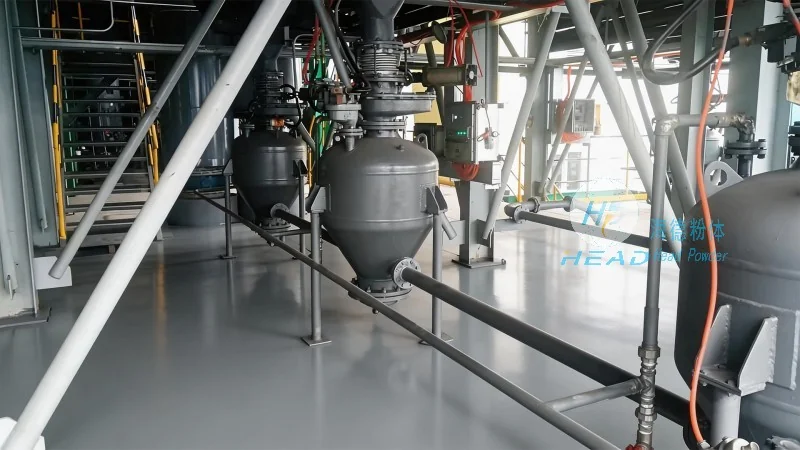
Key Components of the Pneumatic Conveying System
The pneumatic conveying system in tank trucks typically consists of several essential components that work in tandem to ensure smooth material transfer. These include the tank truck itself, which serves as the primary container for the bulk material; a blower or compressor that generates the necessary air pressure; a hopper or feeder that controls the material flow into the system; a pipeline network that transports the material and air mixture; and a receiver or discharge unit where the material is collected. Each component plays a vital role in maintaining the efficiency and safety of the operation.
Working Principle of Pneumatic Conveying
The working principle of bulk material pneumatic conveying relies on the creation of a low-pressure or high-pressure air stream within the system. When the blower is activated, it draws air from the environment and forces it through the pipeline. Simultaneously, the material is introduced into the system via the hopper. The air stream then picks up the material particles, forming a suspension that travels through the pipeline to the receiver. The pressure differential between the source and the destination drives the material forward, ensuring consistent and reliable transport. The system can operate in either positive pressure or negative pressure modes, depending on the specific requirements of the application.
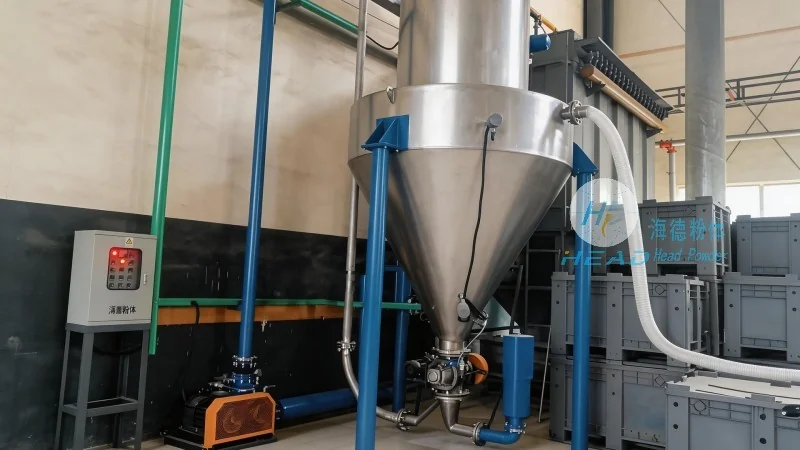
Operation Process of the System
The operation process of a tank truck pneumatic conveying system involves several sequential steps that must be executed correctly to achieve optimal performance. First, the tank truck is loaded with the bulk material at the source location. The material is then transferred into the hopper of the system, where it is metered and fed into the pipeline. The blower is started, creating the air stream that propels the material forward. As the material travels through the pipeline, it is transported to the receiver at the destination. The receiver may include a filter or separator to remove any excess air and ensure the material is deposited cleanly. Finally, the system is shut down, and the receiver is emptied to complete the cycle.
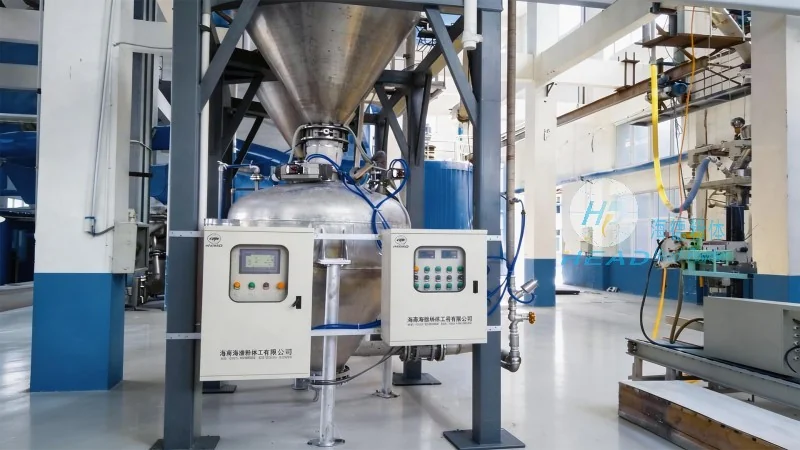
Advantages of Pneumatic Conveying in Tank Trucks
Bulk material pneumatic conveying in tank trucks offers several advantages over traditional methods such as belt conveyors or manual handling. One of the primary benefits is the ability to handle a wide range of materials, including fine powders and abrasive granules, without causing degradation or contamination. The system also provides high throughput and low maintenance requirements, making it cost-effective for large-scale operations. Additionally, the enclosed pipeline design minimizes dust emissions and improves safety for operators. These advantages make pneumatic conveying an ideal solution for industries that require efficient, clean, and reliable material transport.
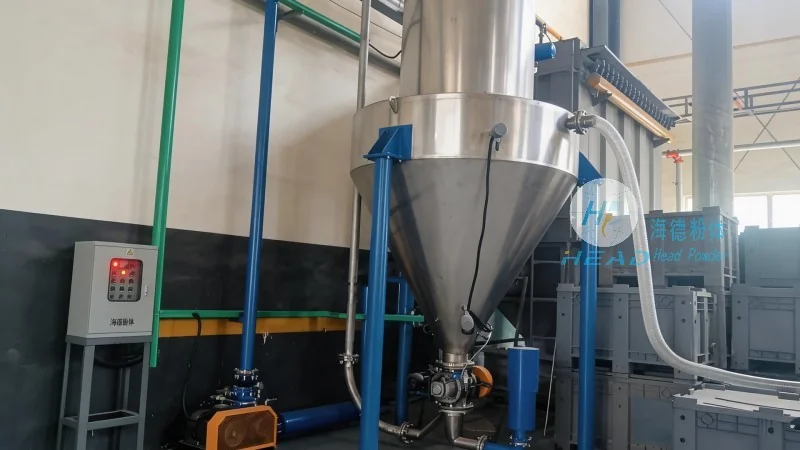
Applications and Industries
The application of bulk material pneumatic conveying in tank trucks spans multiple industries, each with unique material handling needs. In the chemical industry, the system is used to transport powders such as cement, plastics, and fertilizers. The food processing industry utilizes it for handling ingredients like flour, sugar, and spices, ensuring food safety and hygiene. The pharmaceutical industry relies on this technology to transport active pharmaceutical ingredients (APIs) and other sensitive materials, maintaining strict contamination control. Other industries, including mining, agriculture, and construction, also benefit from the versatility of pneumatic conveying systems in tank trucks.
Conclusion
Bulk material pneumatic conveying in tank trucks is a sophisticated and efficient method for transporting powders and granules. By understanding the operation process and working principle of this system, users can optimize its performance and ensure reliable material handling. The technology continues to evolve, with advancements in blower technology, material handling, and system design, further enhancing its capabilities. For industries seeking a reliable and cost-effective solution for bulk material transport, pneumatic conveying in tank trucks remains a top choice.