

Operation Process and Working Principle of PP Material Pneumatic Conveying Line
PP material pneumatic conveying lines are essential equipment in modern material handling systems, designed to efficiently transport polypropylene (PP) particles or powders from one location to another using air as the conveying medium. This technology offers a clean, dust-free, and flexible solution for various industrial applications, including manufacturing, processing, and logistics. Shandong HeadPowder Engineering Co., Ltd., a leading manufacturer in the field, specializes in developing advanced pneumatic conveying systems tailored to the unique requirements of PP material handling.
Key Components of the Pneumatic Conveying System
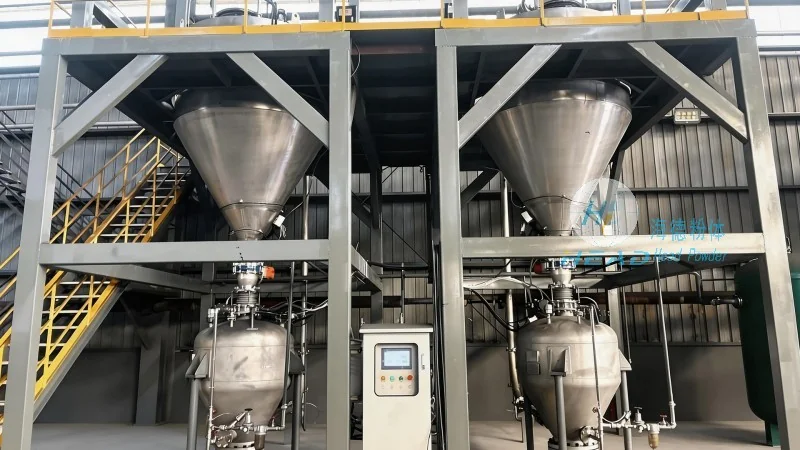
The PP material pneumatic conveying line typically consists of several critical components that work in tandem to achieve effective material transport. These components include the hopper for material storage, the air compressor or blower to generate the necessary air pressure, the conveying pipeline to transport the material, and the receiver or discharge hopper for material collection. Each component is carefully designed to handle the specific characteristics of PP material, such as its density, flowability, and potential for static charge. The hopper is equipped with a feeding mechanism, often a rotary valve or a star feeder, to control the flow of PP material into the system. The air compressor provides the motive force, creating a pressure differential that propels the material through the pipeline. The pipeline itself is usually made of durable materials like stainless steel or high-density polyethylene to resist corrosion and wear from the PP particles. The receiver is designed to safely collect the conveyed material and may include a dust collection system to maintain a clean environment.
Working Principle of the Pneumatic Conveying Process
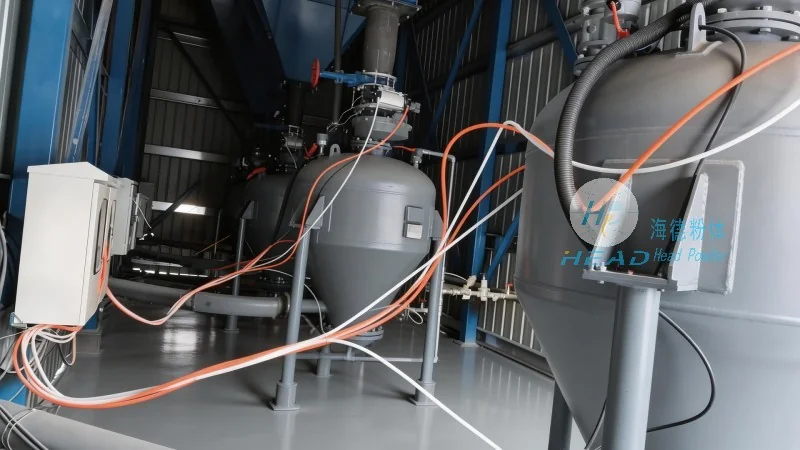
The operation of a PP material pneumatic conveying line follows a systematic process that involves several stages. Initially, the PP material is fed into the hopper from a storage silo or a processing unit. The feeding mechanism then regulates the material flow into the conveying pipeline. Simultaneously, the air compressor generates high-pressure air, which is introduced into the pipeline at the inlet. As the air flows through the pipeline, it creates a low-pressure zone downstream, which draws the PP material into the air stream. The combination of air and material forms a dense phase or dilute phase flow, depending on the system design and operating conditions. In a dense phase system, the material is conveyed in a slurry-like state with a higher material-to-air ratio, while in a dilute phase system, the material is suspended in the air with a lower ratio. The conveying pipeline may include bends, expansions, or reductions to adjust the flow direction and velocity, ensuring smooth transport without causing material degradation or blockages. The receiver at the end of the pipeline collects the conveyed PP material, and the air is typically filtered and recycled back to the compressor to minimize energy consumption and environmental impact.
Operation Process and Control System
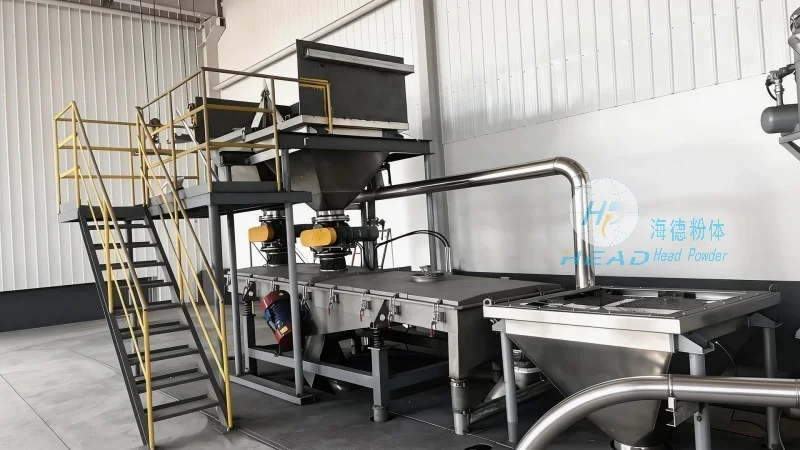
The operation of the PP material pneumatic conveying line is managed through a sophisticated control system that monitors and regulates various parameters to ensure stable and efficient performance. The control system includes sensors and transmitters that measure key variables such as pressure, flow rate, and material level in the hopper and receiver. These sensors provide real-time data to the control unit, which adjusts the air pressure, feeding rate, and other parameters as needed. The system may also include safety features such as pressure relief valves, emergency shut-off valves, and overfill protection to prevent accidents and damage to the equipment. The control system can be integrated with a programmable logic controller (PLC) or a distributed control system (DCS) to automate the entire process, reducing human intervention and improving operational efficiency. Operators can monitor the system status through a user-friendly interface, which displays real-time data and alerts for any abnormalities. The control system ensures that the conveying process is consistent and reliable, minimizing downtime and maximizing productivity.
Advantages and Applications of PP Material Pneumatic Conveying Lines
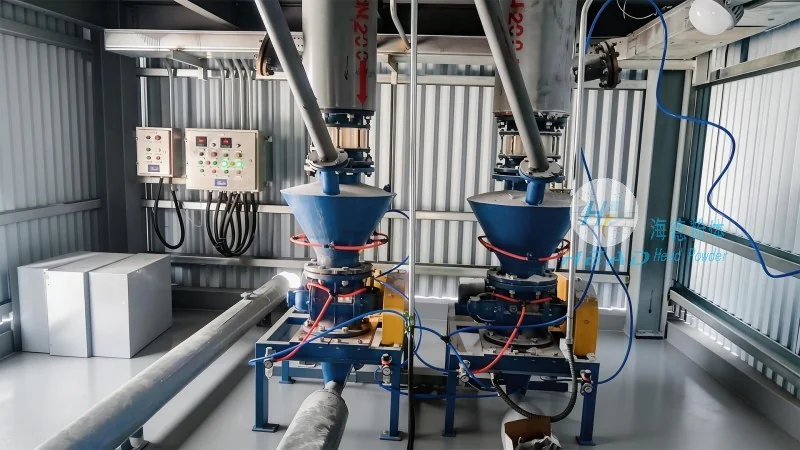
PP material pneumatic conveying lines offer several advantages over traditional material handling methods, making them ideal for a wide range of industrial applications. One of the primary benefits is the ability to transport PP material in a dust-free environment, which improves workplace safety and reduces the risk of fire or explosion in facilities handling flammable materials. The system also provides flexibility in terms of layout and installation, as the conveying pipeline can be easily routed around obstacles or integrated into existing production lines. Additionally, the equipment is compact and requires less floor space compared to traditional conveyor systems, making it suitable for facilities with limited space. The conveying process is gentle on the material, minimizing degradation and preserving the quality of the PP particles, which is crucial for applications where material integrity is essential. PP material pneumatic conveying lines are widely used in industries such as plastics manufacturing, food processing, pharmaceuticals, and chemical processing. In plastics manufacturing, they are used to transport PP pellets or powders from storage to processing equipment, such as extruders or injection molding machines. In food processing, they are employed to convey PP-based food additives or packaging materials, ensuring a hygienic and clean handling process. In pharmaceuticals, the system is used to transport PP-based excipients or packaging components, maintaining strict quality and safety standards. In chemical processing, it is utilized to convey PP-based chemicals or intermediates, providing a reliable and efficient method for material transport.