

Operation Process and Working Principle of Sand Material Pneumatic Conveying Lines
For industrial applications involving the transportation of sand and similar granular materials, pneumatic conveying lines offer an efficient and reliable solution. The system, developed by Shandong HeadPowder Engineering Co., Ltd., based in Shandong, China, combines advanced engineering with practical design to ensure smooth material handling. This article explores the operation process and working principle of such systems, providing a comprehensive overview for professionals in the field.
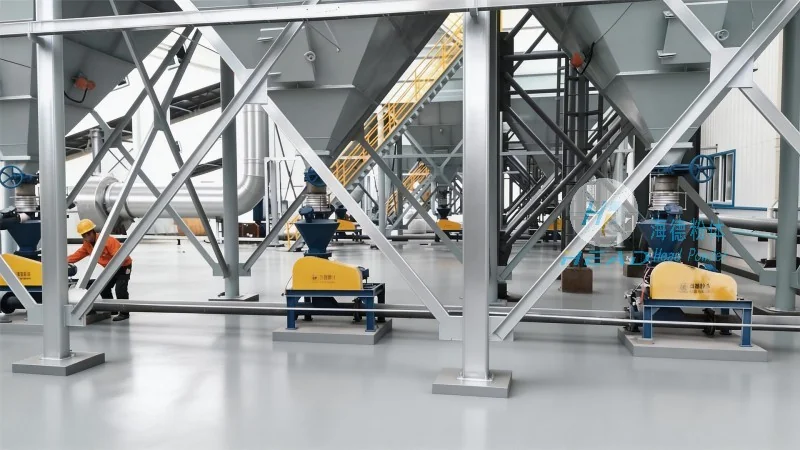
Key Components and Basic Structure
The sand material pneumatic conveying line typically consists of several core components that work in tandem to achieve material transport. These include the material hopper, which serves as the initial storage and feeding unit; the air compressor or blower, responsible for generating the necessary airflow; the conveying pipeline, which carries both the material and air; and the discharge point or receiver, where the material is deposited. Each component plays a crucial role in maintaining the system's efficiency and safety.
Working Principle: The Process of Material Transport
The operation of the sand material pneumatic conveying line is based on the principle of air pressure and flow. The process begins with the material being fed from the hopper into the pipeline. Simultaneously, the air compressor supplies high-pressure air into the system. As the air flows through the pipeline, it creates a low-pressure zone that draws the sand particles along with it. This mixture of air and sand travels through the pipeline to the discharge point, where the air is separated from the material, often using a cyclone separator or other filtration equipment. The separated sand is then collected in the receiver, while the air is either vented or recirculated, depending on the system design.
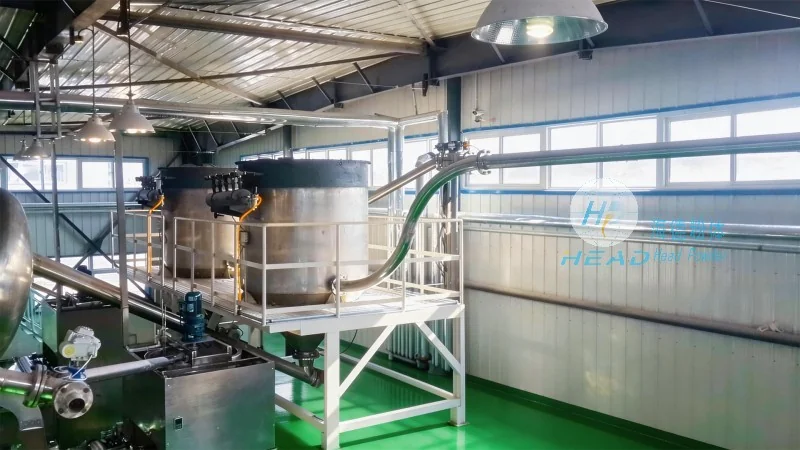
Operation Process: Step-by-Step Execution
The operational process of the sand material pneumatic conveying line involves a series of coordinated steps to ensure continuous and efficient material transport. First, the material is loaded into the hopper, and the system is activated by starting the air compressor. The air flow is then adjusted to the appropriate pressure and volume, depending on the material characteristics and pipeline length. As the material is fed into the pipeline, it is entrained by the air and transported to the discharge point. The system continuously monitors the flow rate and pressure to maintain optimal performance. Any blockages or changes in material flow are detected by sensors, triggering automatic adjustments to prevent system downtime. The entire process is designed to be automated, minimizing human intervention and ensuring consistent operation.
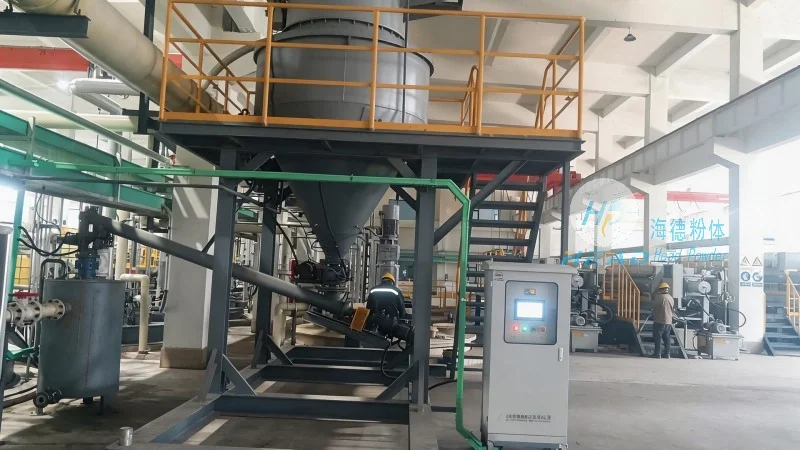
Advantages and Applications in Industrial Settings
Pneumatic conveying systems for sand materials offer several advantages over traditional methods like belt conveyors or bucket elevators. These include reduced material contamination, as the system is enclosed and prevents exposure to the environment; lower maintenance requirements due to fewer moving parts; and the ability to transport materials over long distances without the need for multiple transfer points. The systems are widely used in industries such as construction, mining, and manufacturing, where the handling of bulk sand is essential. Shandong HeadPowder Engineering Co., Ltd. has tailored these systems to meet the specific needs of various applications, ensuring high efficiency and reliability.
Conclusion and Company Overview
In conclusion, the sand material pneumatic conveying line is a sophisticated system that leverages air pressure and flow to transport granular materials efficiently. The operation process involves a series of coordinated steps, from material feeding to discharge, with advanced components ensuring smooth performance. Developed by Shandong HeadPowder Engineering Co., Ltd., based in Shandong, China, this technology provides a reliable solution for industrial material handling. The company's expertise in engineering and design ensures that the systems are tailored to meet the unique requirements of each application, contributing to improved productivity and operational efficiency in various industries.