

Operation Process and Working Principle of Urea Material Pneumatic Conveying Line
Urea, as a vital nitrogenous fertilizer, demands efficient and reliable transportation systems to maintain smooth supply chain operations. The pneumatic conveying line for urea material is a sophisticated system engineered to handle the material's granular structure and potential for dust generation. This article delves into the operation process and working principle of such a system, highlighting the technical aspects and operational efficiency of the equipment provided by Shandong HeadPowder Engineering Co., Ltd.
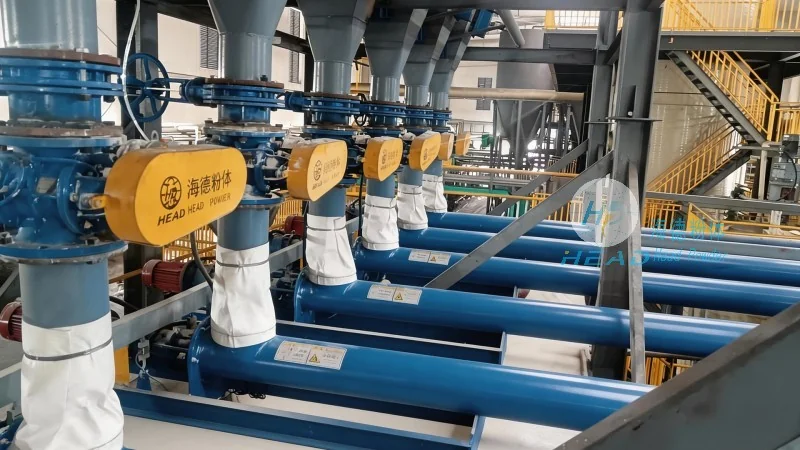
Introduction to Urea Pneumatic Conveying Systems
Urea, or carbamide, is widely used in agriculture due to its high nitrogen content and solubility. Traditional conveying methods like belt conveyors or bucket elevators may not be suitable for urea because of its tendency to generate dust and require gentle handling to prevent degradation. Pneumatic conveying systems offer a solution by utilizing air as the conveying medium, enabling the material to be transported in a closed system, minimizing environmental impact and ensuring product integrity.
Key Components of the Urea Pneumatic Conveying Line
The pneumatic conveying line for urea material typically consists of several critical components that work in unison to achieve efficient material transport. These components include the hopper, feeder, air compressor, conveying pipe, and receiver. Each component plays a pivotal role in the overall operation, ensuring safe and effective transfer of urea from storage to processing or packaging units.
Operation Process of the Urea Pneumatic Conveying Line
The operation of the urea pneumatic conveying line starts with the material being loaded into the hopper. The hopper is designed to store a sufficient quantity of urea, allowing for continuous operation without frequent refilling. Once the material is in the hopper, the feeder—often a rotary valve or screw feeder—regulates the flow of urea into the conveying pipe. The feeder ensures a consistent and controlled discharge rate, preventing overloading or underloading of the system.
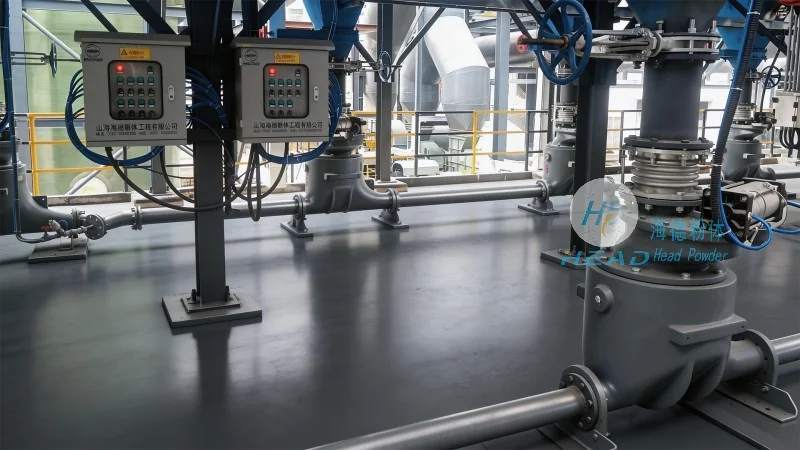
Simultaneously, the air compressor generates high-pressure air, which is then introduced into the conveying pipe. The air flows through the pipe, creating a flow of material that is carried along by the air current. The conveying pipe is usually constructed from stainless steel or other corrosion-resistant materials to withstand urea's chemical properties and prevent contamination. The air velocity within the pipe is carefully controlled to ensure urea particles are suspended and transported efficiently without causing excessive wear or damage to equipment.
Working Principle of the Pneumatic Conveying System
The working principle of the urea pneumatic conveying line is based on fluidization and pneumatic transport. When air is introduced into the conveying pipe at a sufficient velocity, it creates a fluidized state where urea particles are suspended in the air stream. This fluidization allows the material to be transported over long distances with minimal energy consumption compared to other conveying methods. The system operates under pressure or vacuum conditions, depending on the design, to maintain material flow through the pipe.
In the receiver, urea material is deposited as air is filtered and returned to the compressor or released to the atmosphere. The receiver is equipped with a dust collection system to capture any escaped particles, ensuring environmental compliance and a clean working environment. The entire system is automated, with sensors and control systems monitoring flow rate, pressure, and other parameters to ensure optimal performance and prevent failures.
Advantages of Using a Pneumatic Conveying Line for Urea
Implementing a pneumatic conveying line for urea material offers several advantages over traditional methods. Firstly, it provides a closed system that minimizes dust generation and environmental pollution, crucial for safety and regulatory compliance. Secondly, the system allows for gentle handling of urea granules, reducing degradation or breakage risk during transport. Thirdly, automated operation increases efficiency and reduces labor costs, with minimal human intervention required.
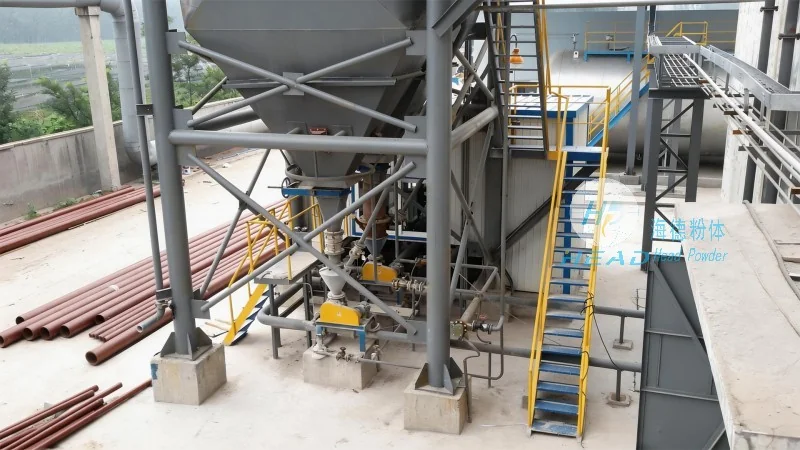
Additionally, the system is flexible, accommodating varying flow rates and distances, suitable for different production scales and facility layouts. It can be easily integrated with existing processing equipment, and low maintenance requirements contribute to long-term cost savings. Overall, the pneumatic conveying line enhances operational efficiency and product quality, making it essential in modern fertilizer production and distribution.
About Shandong HeadPowder Engineering Co., Ltd.
Shandong HeadPowder Engineering Co., Ltd., commonly known as HeadPowder, is a leading manufacturer and supplier of pneumatic conveying systems and related equipment. Focused on innovation and quality, HeadPowder has established itself as a trusted partner in the fertilizer and bulk material handling industry. The company's products are designed to meet specific client needs, ensuring reliability, efficiency, and compliance with industry standards.
HeadPowder's facilities are located in Shandong, China, where advanced manufacturing technologies and a skilled workforce produce high-quality pneumatic conveying lines. The team of engineers and technicians collaborates closely with clients to understand operational requirements and provide customized solutions. For new installations or system upgrades, HeadPowder offers comprehensive support, including design, installation, and maintenance services, ensuring optimal performance and long-term value from equipment.