

Introduction to Gypsum Powder and Dust Pneumatic Conveying Systems: Structure and Principle Explanat
Gypsum powder and dust pneumatic conveying systems represent a critical technology in material handling, particularly for industries dealing with bulk powders like gypsum. These systems are designed to efficiently transport dry powders through a pipeline using air pressure or suction, offering a solution that minimizes dust exposure and ensures consistent material flow. The following overview delves into the structural components and operational principles of such systems, highlighting their importance in industrial applications.
Core Components of Gypsum Powder Pneumatic Conveying Systems
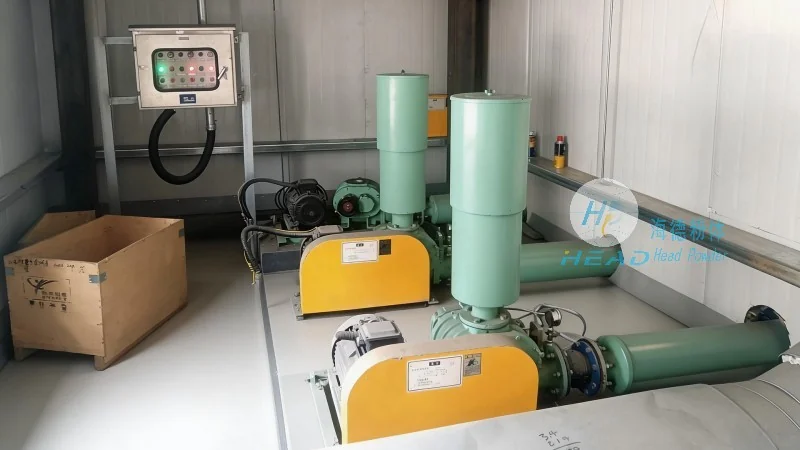
The fundamental structure of a gypsum powder pneumatic conveying system typically includes several key components that work in tandem to facilitate material transport. At the heart of the system is the feeding unit, which is responsible for introducing the gypsum powder into the conveying line. This unit may consist of a hopper or a screw feeder, ensuring a controlled and steady supply of material. The feeding mechanism is crucial for maintaining consistent flow rates, which directly impacts the system's efficiency and the quality of the conveyed material.
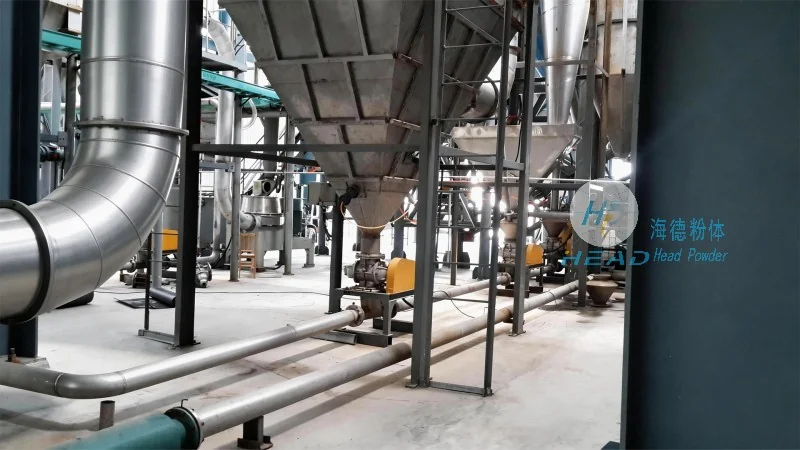
Next, the conveying line itself is a network of pipes that transport the gypsum powder. The design of these pipes, including their diameter, material, and internal surface finish, plays a significant role in minimizing friction and preventing material buildup. For gypsum applications, materials like stainless steel or coated steel are often used to resist corrosion and abrasion, ensuring long-term durability. The conveying line may include bends, elbows, and expansion joints to accommodate changes in direction and accommodate thermal expansion, maintaining system integrity.
A critical component for controlling the flow and pressure within the system is the air supply unit. This unit generates the necessary air pressure or vacuum to move the gypsum powder through the pipeline. It typically includes a blower or a vacuum pump, along with air filters and regulators to ensure clean, dry air is used. The air supply unit is often equipped with pressure gauges and flow meters, allowing operators to monitor and adjust the system's performance in real-time. Proper air management is essential for preventing dust emissions and maintaining the efficiency of the conveying process.
The system also incorporates control valves and regulators to manage the air flow and material distribution. These components allow for precise control over the conveying rate, ensuring that the system operates within optimal parameters. For example, a pressure regulator can maintain a consistent pressure level, while a flow control valve can adjust the volume of air used, adapting to varying material loads. This level of control is vital for preventing system overload and ensuring smooth operation.
Additionally, the system may include dust collection and filtration systems to capture any airborne particles and prevent environmental contamination. These systems are essential for maintaining compliance with environmental regulations and ensuring workplace safety. The filtration unit typically uses high-efficiency particulate air (HEPA) filters or bag filters to capture fine gypsum dust, with the collected material being returned to the system or disposed of appropriately.
Operational Principles of Pneumatic Conveying for Gypsum
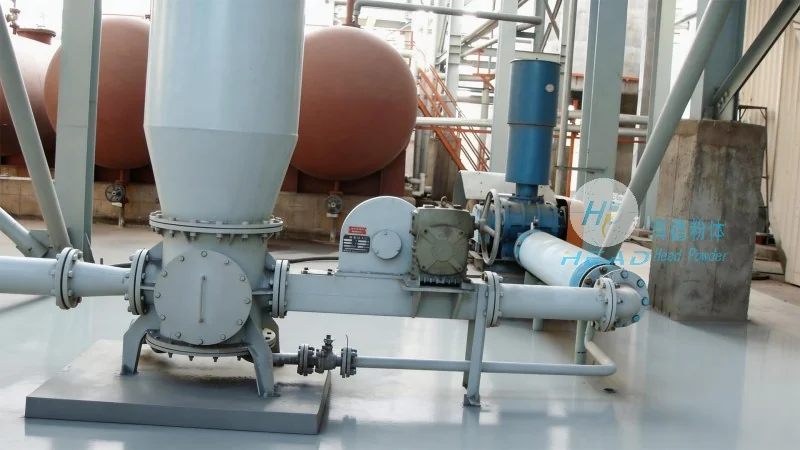
The operational principle of a gypsum powder pneumatic conveying system is based on the use of air to transport the material. There are two primary modes of operation: pressure conveying and vacuum conveying. Pressure conveying uses a positive pressure blower to push the material through the pipeline, while vacuum conveying uses a vacuum pump to pull the material from the source. The choice between these modes depends on factors such as the distance to be covered, the material characteristics, and the system layout.
In pressure conveying, the blower generates a high-pressure air stream that carries the gypsum powder particles along the pipeline. The air velocity must be sufficient to overcome the gravitational forces and friction within the system, ensuring that the material remains suspended and moves efficiently. The system typically operates at pressures ranging from 0.5 to 2 bar, with the exact pressure determined by the conveying distance and material properties.
Vacuum conveying, on the other hand, uses a vacuum pump to create a negative pressure environment that draws the gypsum powder into the pipeline. This method is often preferred for shorter distances or when the material needs to be transported from a higher elevation to a lower one. The vacuum level is typically maintained between 0.1 to 0.5 bar, with the system designed to handle the suction forces without causing material degradation or blockages.
The conveying process involves the creation of a "slug" or "slug flow," where the gypsum powder is mixed with the air in discrete segments. This slug flow is characterized by alternating layers of air and powder, which helps maintain the material's suspension and prevents clogging. The velocity of the air within the pipeline is a critical parameter, as it must be high enough to keep the powder particles in suspension but not so high as to cause excessive wear on the system components.
The system's efficiency is also influenced by the air-to-material ratio, which is the ratio of the volume of air to the volume of material being conveyed. A higher air-to-material ratio can improve conveying efficiency but may increase energy consumption and dust emissions. Conversely, a lower ratio may reduce energy use but could lead to system blockages or reduced material flow. Optimizing this ratio is essential for achieving the best balance between performance and cost.
Applications and Benefits of Gypsum Pneumatic Conveying Systems
Gypsum powder and dust pneumatic conveying systems are widely used in various industries, including construction, mining, and pharmaceuticals. In the construction industry, these systems are commonly employed to transport gypsum for wallboard production, ensuring a consistent supply of raw material to manufacturing facilities. The ability to handle large volumes of gypsum efficiently reduces downtime and improves production throughput.
In the mining sector, pneumatic conveying is used to transport gypsum from storage silos to processing plants or for dust control in mining operations. The system's ability to handle abrasive materials and minimize dust exposure makes it ideal for harsh industrial environments. Additionally, the enclosed nature of the system helps prevent material loss and contamination, maintaining product quality.
The pharmaceutical industry also benefits from pneumatic conveying systems, particularly for handling gypsum-based products used in medical applications. The systems' ability to maintain a sterile environment and prevent cross-contamination is crucial for pharmaceutical manufacturing. The use of clean materials and sealed pipelines ensures that the conveyed gypsum powder remains free from contaminants, meeting stringent quality standards.
One of the primary benefits of pneumatic conveying systems is the reduction of dust exposure, which is a significant health and safety concern in industries dealing with powders. By containing the material within a closed system, the risk of respiratory issues and environmental contamination is minimized. This not only improves workplace safety but also helps companies comply with environmental regulations and avoid fines.
Another advantage is the system's flexibility and scalability. Pneumatic conveying systems can be easily expanded or modified to accommodate changes in production volume or material requirements. This adaptability makes them suitable for both small-scale operations and large industrial facilities. The modular design of the system allows for the addition of new components, such as extra conveying lines or dust collection units, without disrupting the entire operation.
Maintenance and Operational Considerations
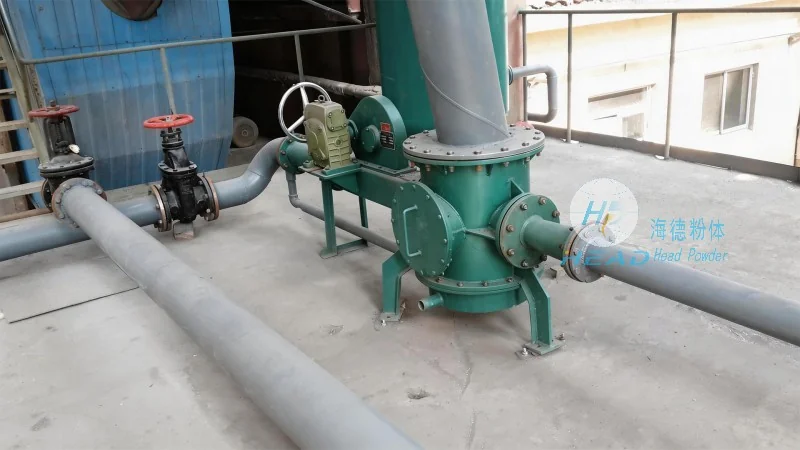
Proper maintenance is essential for ensuring the long-term performance and reliability of a gypsum powder pneumatic conveying system. Regular inspections of the conveying line, valves, and air supply unit are necessary to identify and address any potential issues before they lead to system failures. For example, checking for signs of wear on the pipe interior or on the blower components can help prevent clogs or reduced efficiency.
The system's filters and dust collection units require regular cleaning to maintain their effectiveness. Clogged filters can reduce airflow and increase pressure drop, leading to decreased conveying efficiency. Similarly, the dust collection system must be emptied regularly to prevent overflow and maintain proper operation. Proper maintenance schedules, including routine cleaning and component replacement, are critical for extending the system's lifespan and reducing downtime.
Operational considerations also include monitoring system performance parameters such as pressure, flow rate, and material temperature. These parameters provide insights into the system's efficiency and can help identify potential issues early. For instance, a sudden drop in pressure may indicate a blockage in the pipeline, while an increase in temperature could suggest excessive friction or wear on the components. By monitoring these parameters, operators can take corrective actions promptly, ensuring optimal system performance.
Training personnel on the proper operation and maintenance of the system is also crucial. Well-trained operators can identify and resolve issues quickly, reducing the risk of system downtime and improving overall efficiency. Regular training sessions and documentation of maintenance procedures help ensure that all personnel are equipped with the knowledge needed to maintain the system effectively.
Conclusion
Gypsum powder and dust pneumatic conveying systems are a vital technology for industries dealing with bulk powders, offering efficient, dust-free material handling solutions. The system's structure, which includes feeding units, conveying lines, air supply systems, and control components, works together to facilitate the transport of gypsum powder. The operational principles, based on pressure or vacuum conveying, ensure consistent material flow and minimize environmental impact. The applications of these systems span multiple industries, from construction to pharmaceuticals, highlighting their versatility and importance.