

Introduction to Gypsum Calcium Aerated Transport Equipment: Structure and Working Principle
HeadPowder, a leading manufacturer in the field of bulk material handling, specializes in providing efficient and reliable solutions for the transportation of gypsum calcium. The aerated transport equipment is a crucial component in industrial processes where the safe and effective movement of this material is essential. This article provides an overview of the equipment, its structural design, and the underlying principles that govern its operation.
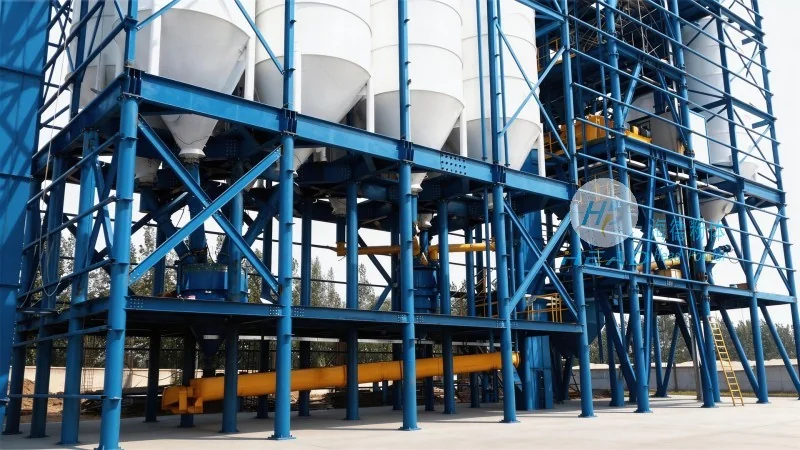
Overview of Gypsum Calcium Aerated Transport Equipment
Gypsum calcium, commonly used in construction and industrial applications, requires specialized handling equipment to ensure its safe and efficient transport. The aerated transport system utilizes air as the medium to move the material through pipelines, offering advantages such as reduced dust generation, lower maintenance costs, and improved operational flexibility. As a key player in the industry, Shandong HeadPowder Engineering Co., Ltd. has developed advanced aerated transport equipment tailored to meet the specific needs of clients dealing with gypsum calcium.
Structural Components and Design of the Equipment
The aerated transport equipment consists of several critical components that work in harmony to achieve effective material handling. The main parts include the feeding system, the air supply unit, the pipeline network, and the control system. The feeding system is designed to introduce gypsum calcium into the system in a controlled manner, preventing blockages and ensuring a consistent flow. The air supply unit, typically a blower or compressor, generates the necessary airflow to move the material through the pipelines. The pipeline network is constructed from durable materials, such as stainless steel or special plastic, to withstand the abrasive nature of gypsum calcium and the effects of air pressure. The control system allows operators to monitor and adjust the airflow and material feed rates, optimizing the transport process and minimizing energy consumption.
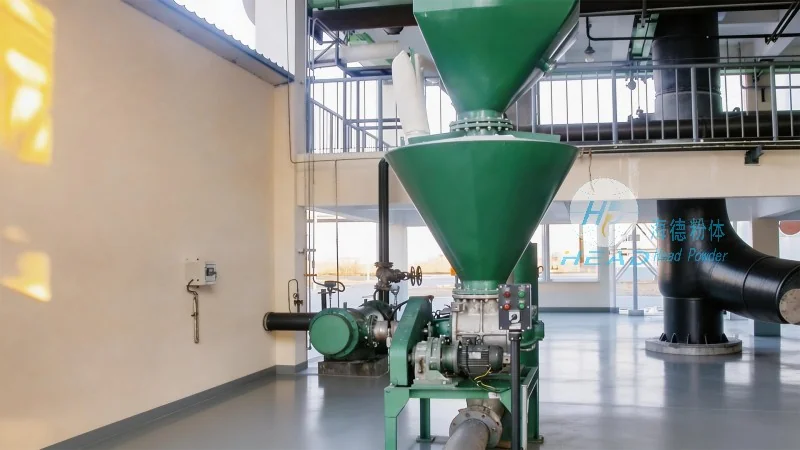
Working Principle and Operational Mechanism
The operation of the aerated transport equipment is based on the principle of pneumatic conveying, where air is used to suspend and transport the material particles. When the material is fed into the system, it is mixed with the air stream, creating a slurry-like mixture. This mixture is then propelled through the pipelines by the pressure of the air, reaching the destination point. The system can operate in either positive or negative pressure modes, depending on the specific requirements of the application. Positive pressure systems use compressed air to push the material forward, while negative pressure systems use suction to draw the material through the pipelines. The choice of mode depends on factors such as the distance to be covered, the material's characteristics, and the desired flow rate.
Advantages of Using Aerated Transport for Gypsum Calcium
Implementing aerated transport equipment for gypsum calcium offers several benefits that enhance operational efficiency and safety. Firstly, the system significantly reduces dust emissions, contributing to a cleaner working environment and compliance with environmental regulations. Secondly, the equipment minimizes the risk of material spillage and blockages, which can lead to costly downtime and maintenance. Thirdly, the pneumatic conveying method allows for the transportation of gypsum calcium over long distances without the need for intermediate storage or handling points. Additionally, the system can be easily integrated with existing industrial processes, providing a seamless solution for material movement. These advantages make the aerated transport equipment an ideal choice for industries that rely on gypsum calcium as a key raw material.
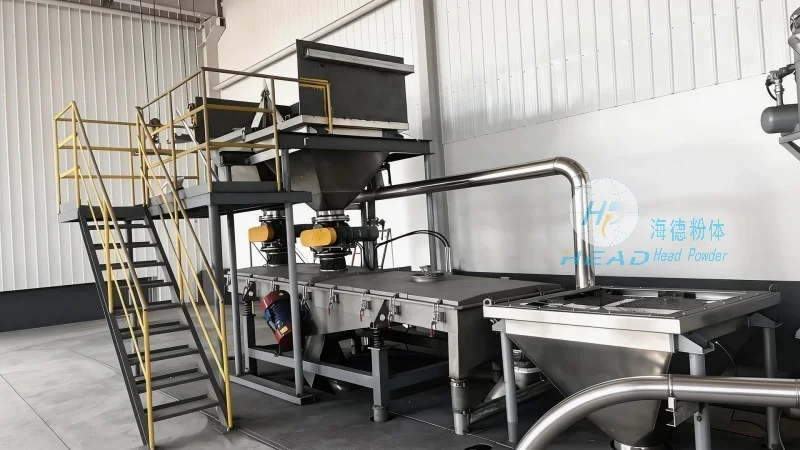
Applications and Industry Use Cases
The aerated transport equipment developed by Shandong HeadPowder Engineering Co., Ltd. has been successfully applied in various industries that utilize gypsum calcium. In the construction sector, the equipment is used to transport gypsum calcium from storage facilities to production lines, ensuring a continuous supply of material for plaster and drywall production. In the industrial sector, it is employed in the manufacturing of gypsum products, such as wallboard and ceiling tiles, where the material needs to be moved between different processing stages. The equipment is also used in the agricultural sector for the transport of gypsum calcium used as a soil conditioner, helping to improve soil quality and crop yields. These diverse applications highlight the versatility and adaptability of the aerated transport system, making it a valuable asset for any industry dealing with bulk material handling.
Maintenance and Operational Considerations
To ensure the long-term performance and reliability of the aerated transport equipment, proper maintenance and operational practices are essential. Regular inspection of the feeding system and air supply unit is necessary to detect and address any potential issues before they escalate into major problems. The pipelines should be cleaned periodically to remove any accumulated material or debris, which can affect the flow and efficiency of the system. The control system should be calibrated regularly to maintain optimal airflow and material feed rates. Additionally, operators should be trained to handle the equipment safely and efficiently, following the manufacturer's guidelines and safety protocols. By adhering to these maintenance and operational considerations, the equipment can operate at its peak performance, minimizing downtime and maximizing productivity.