

Introduction to Fluorspar Powder Pneumatic Conveying Equipment: Structure and Working Principle
Fluorspar powder, a vital industrial raw material, demands efficient and reliable transportation solutions to support seamless production workflows. The pneumatic conveying equipment developed by Shandong HeadPowder Engineering Co., Ltd. addresses these requirements through advanced technology and robust engineering. This article provides an overview of the equipment's structure and operational principles, highlighting its key components and functional mechanisms to enhance understanding of its application in material handling.
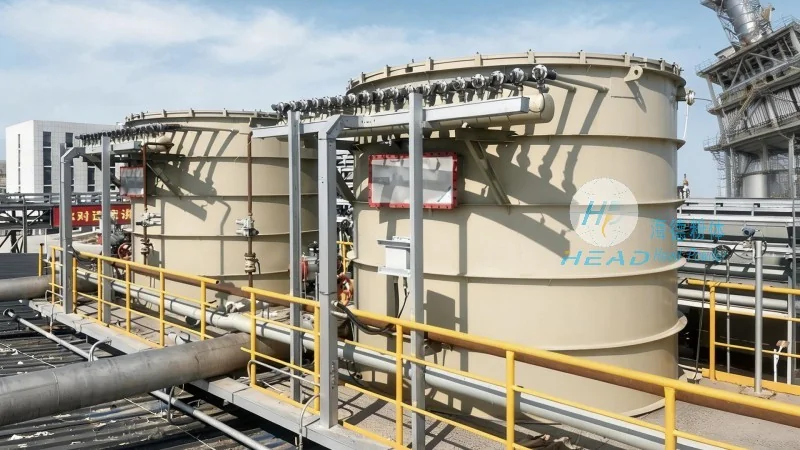
Company Profile and Industry Expertise
HeadPowder, as the brand identity of Shandong HeadPowder Engineering Co., Ltd., represents a leading manufacturer specializing in pneumatic conveying systems. With a strong presence in the industrial sector, particularly in mineral processing and material transport, the company has established a reputation for delivering high-quality equipment tailored to specific industry needs. HeadPowder's commitment to innovation and customer-centric solutions has positioned it as a trusted partner for businesses seeking efficient material transport solutions. The company's operational base is located in Shandong, China, where it leverages local resources and expertise to support its manufacturing and service operations.
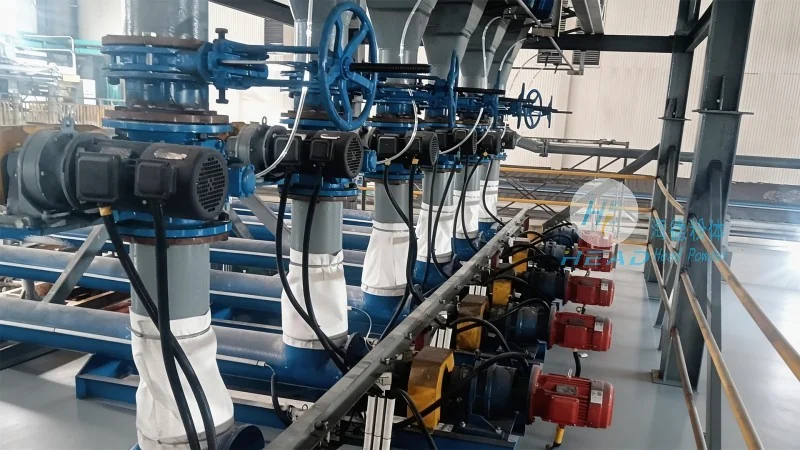
Overview of Fluorspar Powder Pneumatic Conveying Equipment
The pneumatic conveying system for fluorspar powder is engineered to transport fine powders over extended distances with minimal loss and high efficiency. This equipment is particularly suitable for applications where traditional mechanical conveying methods may be impractical due to the nature of the material or the operational environment. The system operates by utilizing compressed air to move the powder through a network of pipes, ensuring a consistent and controlled flow. Key advantages include reduced material degradation, lower maintenance costs, and enhanced safety compared to other conveying methods.
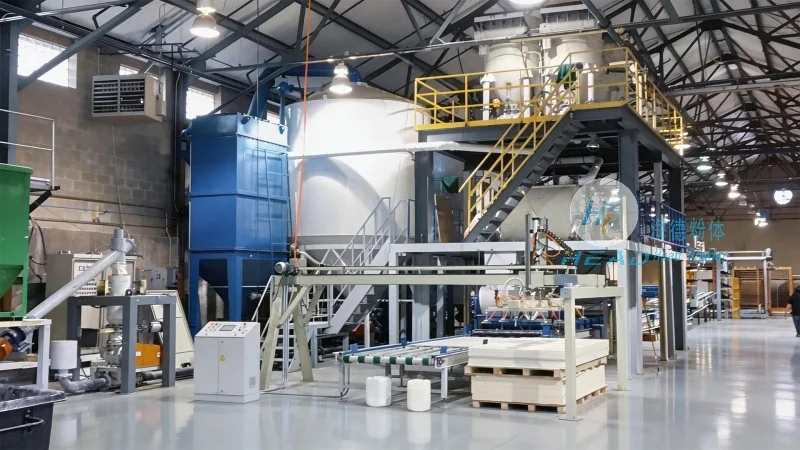
Key Structural Components and Working Principle
The pneumatic conveying equipment comprises several critical components that work in unison to achieve effective material transport. The main parts include the material hopper, air compressor, conveying pipes, and control valves. The material hopper is designed to store the fluorspar powder and facilitate its feeding into the system. The air compressor generates the necessary pressure to move the powder through the pipes. The conveying pipes are constructed from materials resistant to corrosion and abrasion, ensuring durability in handling fluorspar powder. Control valves are used to regulate the air flow and material discharge, allowing for precise control over the conveying process.
Operational Mechanism and Efficiency
The working principle of the pneumatic conveying system involves introducing compressed air into the material hopper, which creates a low-pressure zone that draws the fluorspar powder into the air stream. The mixture of powder and air is then transported through the pipes to the destination point, where the air is separated from the powder and the powder is collected. This process is continuous and can be adjusted to handle varying material volumes and flow rates. The efficiency of the system is enhanced by the use of appropriate air velocities and pipe diameters, which minimize particle segregation and ensure uniform material distribution.
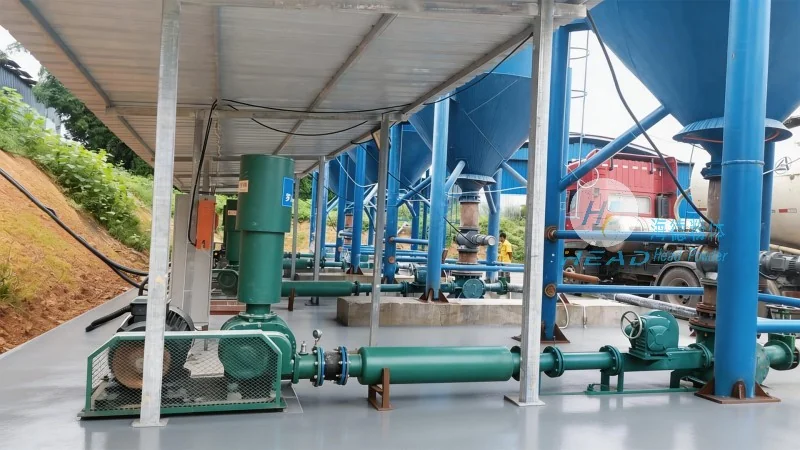
Advantages and Practical Applications
Fluorspar powder pneumatic conveying equipment offers several advantages that make it an ideal choice for industrial applications. These include high transport capacity, low energy consumption, and the ability to handle fine powders without causing clogging or degradation. The system is widely used in industries such as chemical processing, mining, and pharmaceuticals, where the transport of fluorspar powder is essential for production processes. By utilizing this equipment, businesses can improve operational efficiency, reduce downtime, and enhance overall productivity.