

Foam Pneumatic Conveying Equipment: An Overview of Structure and Working Principles
For industrial applications requiring efficient and reliable material handling, foam pneumatic conveying equipment emerges as a sophisticated solution. This equipment, designed by Shandong HeadPowder Engineering Co., Ltd., a leading manufacturer based in Shandong, China, leverages advanced technology to transport bulk materials with precision and minimal operational challenges. The following sections delve into the fundamental aspects of this equipment, including its structural components and operational principles, to provide a comprehensive understanding for potential users and industry professionals.
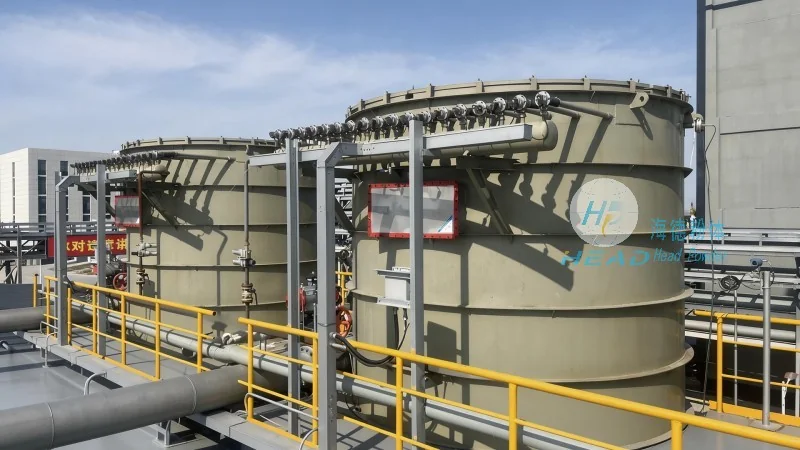
Key Structural Components of Foam Pneumatic Conveying Equipment
The foam pneumatic conveying system comprises several critical components that work in tandem to achieve effective material transport. At its core, the system includes a foam generator, which is responsible for producing the foam medium that carries the material particles. This component typically consists of a mixing chamber where air and a liquid carrier (often water or a specialized solution) are combined under controlled pressure and flow rates. The foam generator ensures the formation of a stable foam with the appropriate density and viscosity, which is essential for efficient conveying.
Next to the foam generator is the material feeding unit, which introduces the bulk material into the conveying line. This unit may include a hopper or a feeder that regulates the flow of material, preventing blockages and ensuring a consistent feed rate. The feeding mechanism is designed to handle various material types, from powders and granules to fine particles, adapting to different industrial needs. The conveying line itself, often made of flexible or rigid tubing, transports the foam-material mixture from the feeding point to the discharge point. The tubing is typically equipped with pressure regulators and flow meters to monitor and control the system's performance, maintaining optimal conditions for material transport.
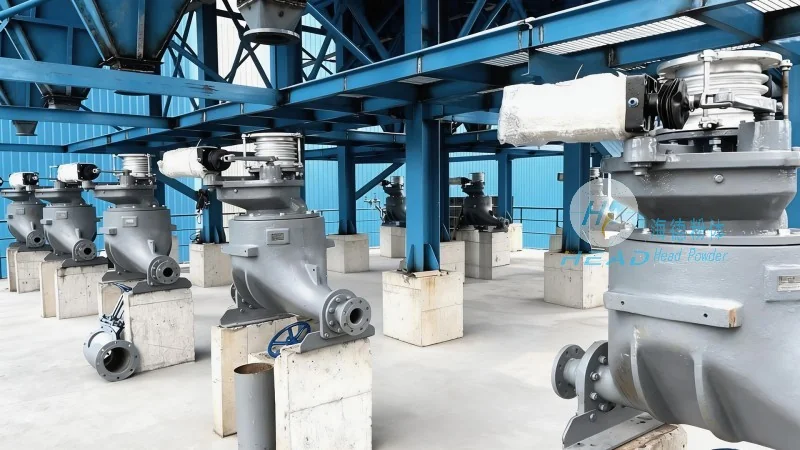
At the receiving end, the system features a foam separator or a de-foaming unit. This component is crucial for separating the conveyed material from the foam medium, allowing the material to be collected while the liquid is recycled or disposed of appropriately. The separator may use gravity, filtration, or mechanical means to achieve separation, depending on the material properties and system design. Additionally, the system includes a vacuum or pressure pump that provides the necessary air flow to drive the conveying process. This pump ensures that the foam and material mixture is propelled through the conveying line with sufficient force, overcoming resistance and maintaining system efficiency.
Working Principles of Foam Pneumatic Conveying
The operational principle of foam pneumatic conveying is based on the physical properties of foam and the principles of fluid dynamics. The process begins with the generation of foam, where air is mixed with a liquid to create a lightweight, buoyant medium. This foam acts as a carrier, suspending the material particles and allowing them to be transported through the conveying line. The foam's low density and high surface area enable it to effectively lift and move the material, reducing the risk of material degradation or clogging compared to traditional pneumatic conveying methods.
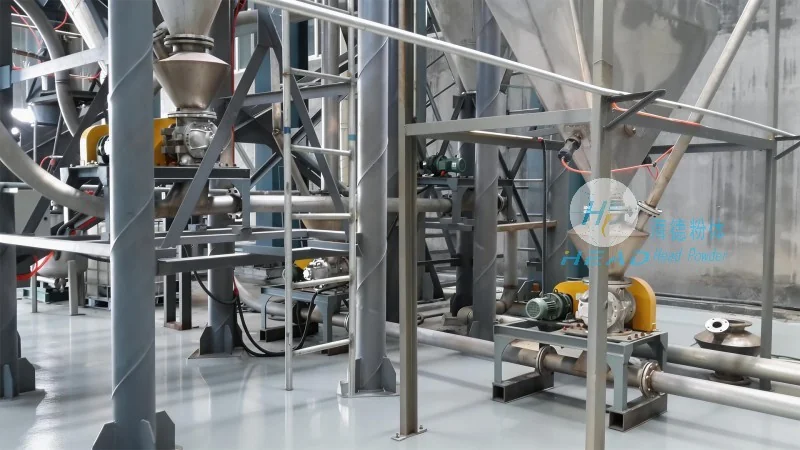
As the foam-material mixture travels through the conveying line, the air flow and foam stability are maintained by the system's control mechanisms. The pressure and flow rates are carefully regulated to ensure that the material remains suspended within the foam and reaches the discharge point without settling or depositing. The system's design considers factors such as material size, density, and moisture content, as these variables can affect the conveying efficiency and foam stability. For example, finer particles may require a more stable foam with a lower density to prevent settling, while larger or heavier particles may need a higher air flow rate to maintain suspension.
The foam separator at the end of the system plays a vital role in the overall efficiency of the process. By separating the material from the foam, the system allows for the recovery of the liquid carrier, which can be reused in the foam generation process. This not only reduces operational costs but also minimizes environmental impact by reducing wastewater discharge. The separated material is then collected and prepared for further processing or storage, completing the material handling cycle.
Advantages of Foam Pneumatic Conveying Equipment
Compared to conventional pneumatic conveying systems, foam pneumatic conveying offers several advantages that make it an attractive choice for industrial applications. One of the primary benefits is the reduced risk of material degradation. The foam medium provides a cushioning effect, protecting the material from friction and impact during transport, which is particularly important for delicate or sensitive materials such as pharmaceuticals, food products, or fine chemicals. Additionally, the system minimizes material loss and contamination, as the sealed conveying line prevents exposure to external elements and reduces the risk of cross-contamination.
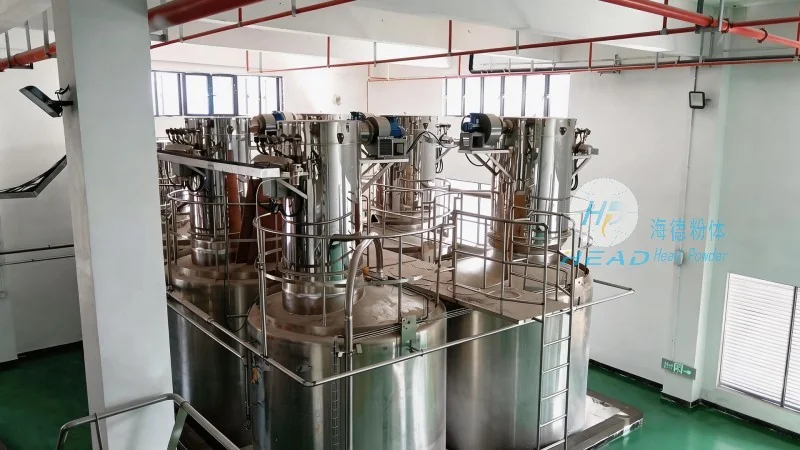
Another significant advantage is the energy efficiency of the foam pneumatic conveying system. By using a foam medium with a lower air flow rate compared to traditional pneumatic conveying, the system reduces energy consumption while maintaining effective material transport. The lower pressure requirements also contribute to lower operational costs and reduced wear on system components. Furthermore, the system's ability to handle a wide range of material types without the need for extensive modifications makes it versatile and adaptable to various industrial processes.
The environmental benefits of foam pneumatic conveying are also noteworthy. The use of a liquid carrier in the foam generation process allows for the recycling of the liquid, reducing the amount of wastewater generated and minimizing the environmental footprint of the operation. This is particularly important for industries that are subject to strict environmental regulations, as it helps in meeting compliance standards while maintaining operational efficiency. Additionally, the system's lower air flow rates and reduced energy consumption contribute to lower greenhouse gas emissions, aligning with sustainability goals in modern industrial practices.