

Detailed Explanation of Biomass Pneumatic Conveying Systems
This section introduces the core concept of pneumatic conveying systems used for handling biomass materials. Biomass, derived from organic matter such as agricultural residues, wood chips, and other renewable resources, often requires efficient and reliable transport solutions to move it from storage or processing stages to subsequent applications like combustion, biofuel production, or pelletization. Pneumatic conveying systems offer a non-contact, low-maintenance method to transport these materials, addressing challenges like dust generation, material degradation, and the need for hygienic handling in industrial settings.
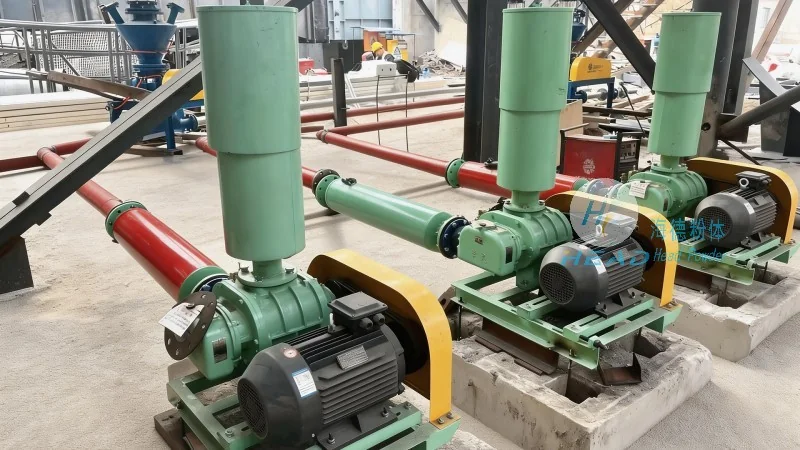
Key Components and Working Principle
The fundamental components of a pneumatic conveying system for biomass include the material feed hopper, air supply unit (blower or compressor), conveying line (flexible hose or rigid pipe), and discharge outlet. The working principle involves creating a pressure differential by the air supply unit, which draws material from the hopper into the conveying line. As air and material travel through the system, the material is suspended and transported to the discharge point. The system can operate in either positive pressure (pressure conveying) or negative pressure (suction conveying) modes, with positive pressure being more common for biomass due to its ability to handle larger particles and longer distances.
Advantages of Pneumatic Conveying for Biomass Handling
Compared to traditional mechanical conveying methods like screw conveyors or belt conveyors, pneumatic conveying offers several advantages for biomass. These include reduced material degradation as there is no direct contact with moving parts, lower risk of contamination and cross-contamination in food or pharmaceutical applications, and the ability to handle a wide range of particle sizes and moisture contents. Additionally, pneumatic systems are more flexible in layout, allowing for vertical and horizontal transport combinations, and can be integrated with other processing equipment like dryers or pellet mills without the need for complex transfer mechanisms.
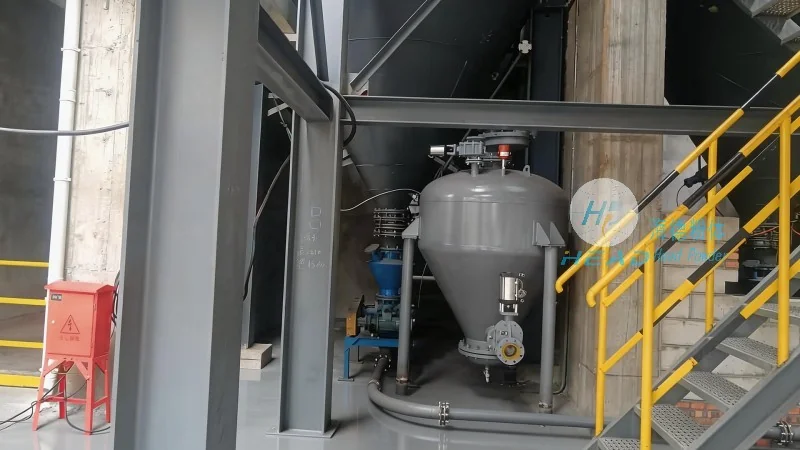
Applications in Biomass Processing and Utilization
Biomass pneumatic conveying systems are widely used in various stages of biomass processing. In the agricultural sector, they are used to transport straw, corn stalks, and other crop residues from fields to storage silos or processing plants. In the wood industry, they handle wood chips and sawdust from sawmills to bioenergy facilities or pellet production lines. For biofuel production, these systems efficiently transport raw biomass to reactors or pyrolysis units, ensuring consistent feed rates. In the context of renewable energy, pneumatic conveying supports the integration of biomass into power generation systems by delivering fuel to boilers or gasifiers.
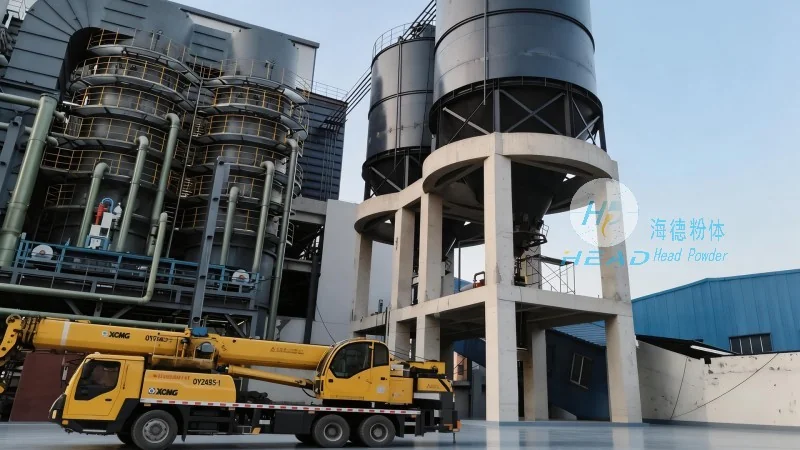
Technical Specifications and Customization Options
The technical specifications of a biomass pneumatic conveying system depend on the specific application and material characteristics. Key parameters include the conveying capacity (typically measured in tons per hour), the maximum particle size (which can range from a few millimeters to several centimeters), the system pressure (ranging from low to high pressure depending on distance and material), and the air flow rate. Customization options are available to meet specific needs, such as varying the diameter of the conveying line, using different materials of construction (e.g., stainless steel for hygienic applications), or integrating control systems for automated operation. For example, a system designed for handling high-moisture biomass might include additional drying components or specialized blower technology to maintain optimal conveying conditions.
Company Profile and Service Commitment
Shandong HeadPowder Engineering Co., Ltd., operating under the brand name headpowder, specializes in the design, manufacturing, and installation of advanced pneumatic conveying systems tailored for biomass applications. With facilities located in Shandong, China, the company leverages over [years of experience] in engineering and industrial solutions to deliver high-quality, reliable equipment. The company’s commitment to customer satisfaction is reflected in its comprehensive service offerings, including on-site consultation, system design tailored to specific operational requirements, and post-installation support to ensure optimal performance and longevity of the conveying systems. By combining technical expertise with customer-centric service, headpowder aims to provide sustainable and efficient solutions for biomass handling across various industries.