

Plastic Powder Pneumatic Conveying: How to Efficiently Transport Powdered Materials with Air Flow
Plastic powder pneumatic conveying is a critical technology in the processing and handling of plastic materials. This method utilizes air flow to transport plastic powders, granules, or other fine particulate materials from one location to another. The efficiency and reliability of such systems are essential for industries that rely on consistent and clean material handling, ensuring minimal product loss and contamination. In this article, we explore the principles, applications, and benefits of plastic powder pneumatic conveying, with a focus on how to implement these systems effectively.
Understanding Pneumatic Conveying Technology
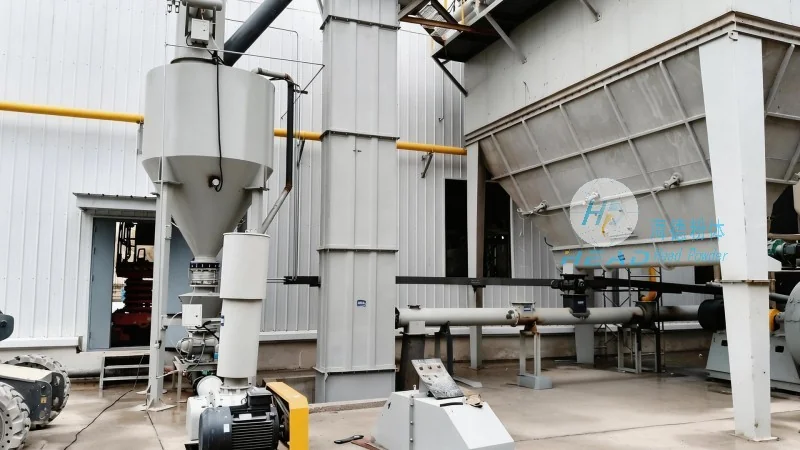
Pneumatic conveying systems operate by creating a pressure differential or using vacuum to move materials through a pipeline using air. For plastic powders, which are often sensitive to moisture and contamination, the design of the conveying system is crucial. The system typically includes components such as a hopper, feeder, conveying line, and discharge equipment. The choice between positive pressure, negative pressure, or a combination of both depends on the material characteristics, distance, and process requirements. For plastic powders, positive pressure systems are commonly preferred due to their ability to handle abrasive materials and prevent product degradation.
Key Components of a Plastic Powder Pneumatic Conveying System
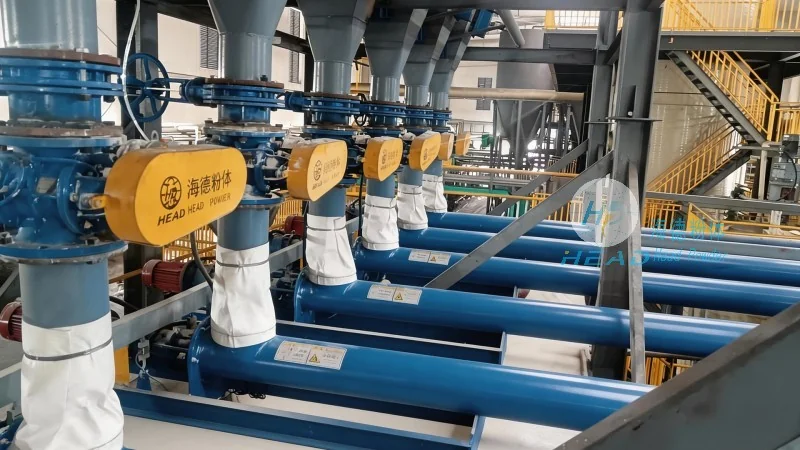
The effectiveness of a pneumatic conveying system for plastic powders depends on several key components. The hopper is designed to store the plastic powder and provide a consistent feed to the system. The feeder, often a rotary valve or screw feeder, controls the flow rate of the material into the conveying line. The conveying line itself is made of materials resistant to plastic powder corrosion and wear, such as stainless steel or specialized polymers. The discharge equipment, including filters and cyclones, ensures that the material is properly separated from the air stream and collected in the destination container. Each component must be carefully selected to match the specific properties of the plastic powder, such as particle size, moisture content, and bulk density.
Benefits of Using Pneumatic Conveying for Plastic Powders
Implementing a pneumatic conveying system for plastic powders offers numerous advantages over traditional mechanical conveying methods. One of the primary benefits is the reduction in product contamination and loss. Unlike mechanical systems that may cause friction and generate dust, pneumatic systems keep the material enclosed, minimizing exposure to the environment. This is particularly important for food-grade or high-purity plastic powders where contamination can affect product quality and safety. Additionally, pneumatic conveying systems can handle a wide range of material characteristics, including fine powders, coarse granules, and mixtures, without the need for additional processing steps. The flexibility of these systems allows for easy integration into existing production lines, reducing downtime and increasing overall operational efficiency.
Applications in the Plastic Industry
Plastic powder pneumatic conveying is widely used across various sectors of the plastic industry. In polymer manufacturing, these systems are used to transport raw plastic powders from storage silos to processing equipment, ensuring a continuous and controlled feed. In recycling operations, pneumatic conveying helps move recycled plastic powders from sorting and cleaning stages to compounding or extrusion processes. The automotive and packaging industries also benefit from these systems, as they efficiently handle plastic powders used in the production of components and packaging materials. The ability to transport materials over long distances without the need for intermediate storage or handling points makes pneumatic conveying an ideal solution for large-scale operations.
Factors to Consider When Designing a System
Designing an effective plastic powder pneumatic conveying system requires careful consideration of several factors. The first is the material properties of the plastic powder, including particle size distribution, bulk density, and moisture content. These characteristics determine the appropriate conveying velocity and pressure required to move the material without causing blockages or degradation. The second factor is the distance and layout of the conveying line. Longer distances may require higher pressure or a combination of positive and negative pressure to maintain material flow. The third factor is the environmental and safety considerations. Pneumatic systems must be equipped with proper filtration and dust collection to comply with environmental regulations and ensure workplace safety. Additionally, the system should be designed for easy maintenance and cleaning to prevent material buildup and ensure long-term performance.
Case Study: Implementation by Shandong HeadPowder Engineering Co., Ltd.
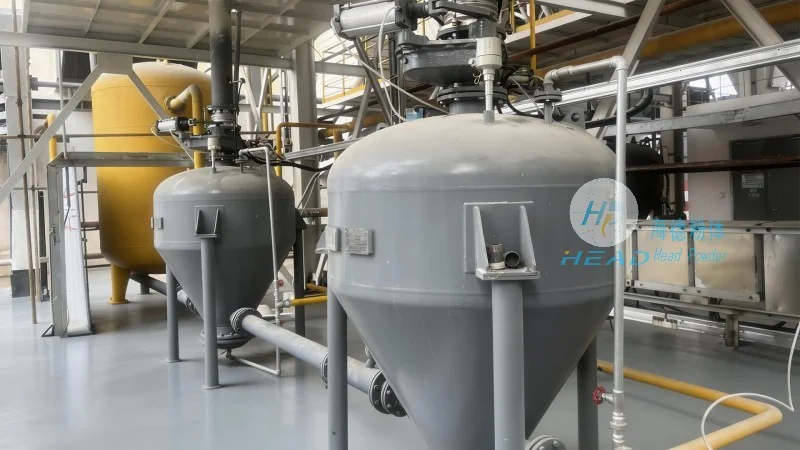
Shandong HeadPowder Engineering Co., Ltd., a leading provider of material handling solutions, has extensive experience in designing and implementing plastic powder pneumatic conveying systems. Based in Shandong, China, the company specializes in customizing systems to meet the specific needs of clients in the plastic industry. For example, a client in the polymer manufacturing sector required a system to transport high-purity plastic powders over a distance of 200 meters. HeadPowder engineers designed a positive pressure system with a stainless steel conveying line and a high-capacity feeder. The system was equipped with advanced filtration to maintain product purity and included a control panel for monitoring and adjusting the flow rate. The implementation resulted in a significant reduction in material loss and increased production efficiency, demonstrating the effectiveness of their expertise in pneumatic conveying technology.
Conclusion and Future Trends
Plastic powder pneumatic conveying remains a vital technology for efficient and reliable material handling in the plastic industry. As industries continue to demand higher quality and more sustainable processes, the importance of well-designed pneumatic systems will only grow. Companies like Shandong HeadPowder Engineering Co., Ltd. play a crucial role in providing tailored solutions that address the unique challenges of plastic powder handling. By focusing on component selection, system design, and operational efficiency, these systems ensure that plastic powders are transported safely and effectively, supporting the overall success of plastic manufacturing and processing operations.