

Polyvinyl Butyral (PVB) Pneumatic Conveying: How to Efficiently Transport Powders and Granules with
Polyvinyl butyral (PVB) is a versatile polymer widely used in various industries, and efficient handling of PVB powders and granules is crucial for maintaining production efficiency and product quality. Pneumatic conveying systems offer a reliable solution for transporting these materials, leveraging air flow to move powders through pipelines. This article explores the principles and applications of PVB pneumatic conveying, highlighting how specialized equipment from Shandong HeadPowder Engineering Co., Ltd. (HeadPowder) can optimize material transport processes.
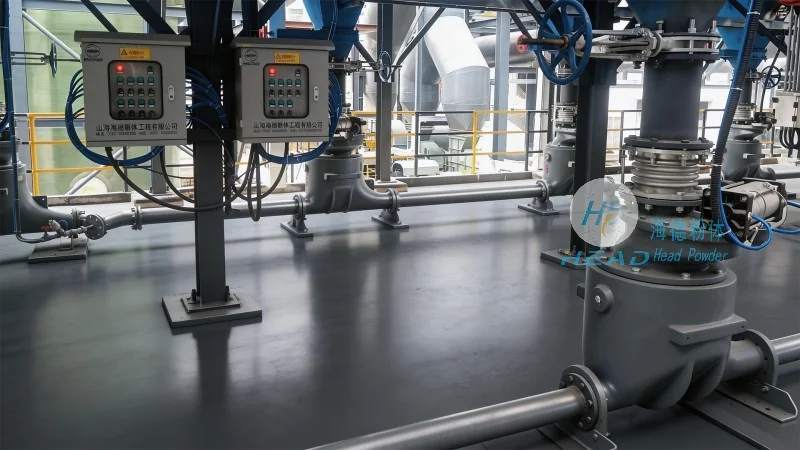
PVB Pneumatic Conveying: Core Principles and Benefits
Pneumatic conveying systems use air pressure or vacuum to transport bulk materials like PVB powders and granules. The process involves feeding the material into a conveying line, where it is carried by a stream of air. This method offers several advantages over traditional mechanical conveying, including reduced contamination risk, lower maintenance requirements, and the ability to handle materials in a closed system, minimizing dust exposure and environmental impact. For PVB, which is sensitive to moisture and contamination, these benefits are particularly important.
HeadPowder's Expertise in PVB Pneumatic Conveying Solutions
Shandong HeadPowder Engineering Co., Ltd., a leading provider of material handling solutions, specializes in designing and manufacturing pneumatic conveying systems tailored to the unique needs of PVB processing. With years of experience in the industry, HeadPowder understands the challenges associated with handling PVB powders, such as their tendency to agglomerate or clog conventional conveying equipment. The company’s solutions incorporate advanced technology, including high-efficiency air pumps, specialized hopper designs, and flexible pipeline configurations, to ensure smooth and reliable transport of PVB materials.
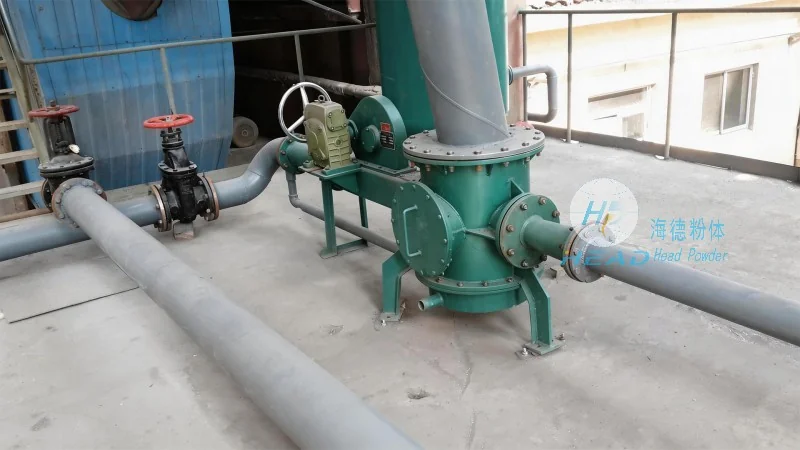
Key Features of HeadPowder's PVB Pneumatic Conveying Systems
HeadPowder’s pneumatic conveying systems for PVB are engineered with precision to address the specific characteristics of this polymer. The systems utilize positive displacement blowers or vacuum pumps to generate the necessary air flow, ensuring consistent material movement without excessive pressure fluctuations. The conveying lines are typically made of corrosion-resistant materials, such as stainless steel or PTFE-coated tubing, to prevent PVB from adhering or degrading over time. Additionally, the company’s designs include features like in-line filters and moisture separators to maintain material purity and prevent system blockages.
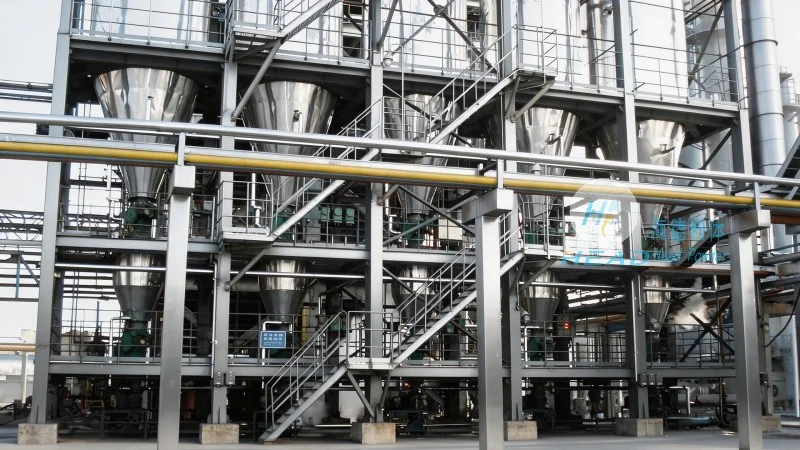
Applications and Industry Impact
PVB pneumatic conveying systems are widely used in industries where PVB is a key component, including automotive, construction, and optical applications. In the automotive sector, PVB is used in safety glass laminates, and efficient transport of PVB powders is critical for maintaining production throughput and product consistency. HeadPowder’s systems have been successfully implemented in these industries, helping manufacturers improve operational efficiency and reduce downtime. The company’s commitment to quality and innovation has made its solutions a preferred choice for businesses seeking reliable PVB handling solutions.
Conclusion: Optimizing PVB Transport with Advanced Pneumatic Systems
Efficient transportation of polyvinyl butyral (PVB) powders and granules is essential for industries relying on this versatile polymer. Pneumatic conveying systems, particularly those designed by Shandong HeadPowder Engineering Co., Ltd., offer a superior solution by leveraging air flow to move materials safely and effectively. By incorporating advanced technology and tailored designs, HeadPowder’s systems address the unique challenges of PVB handling, ensuring consistent performance and minimal maintenance. For businesses looking to enhance their PVB processing capabilities, investing in a specialized pneumatic conveying system from HeadPowder can lead to significant improvements in productivity and product quality.