

Classification and Composition of Coal Ash Pneumatic Conveying Systems
Coal ash, a byproduct of coal combustion in thermal power plants, requires efficient and reliable handling systems for transportation and disposal. Pneumatic conveying systems offer a versatile solution for moving coal ash from its source to storage or processing facilities. This article provides an overview of the classification and key components of coal ash pneumatic conveying systems, highlighting the technology's role in modern industrial applications.
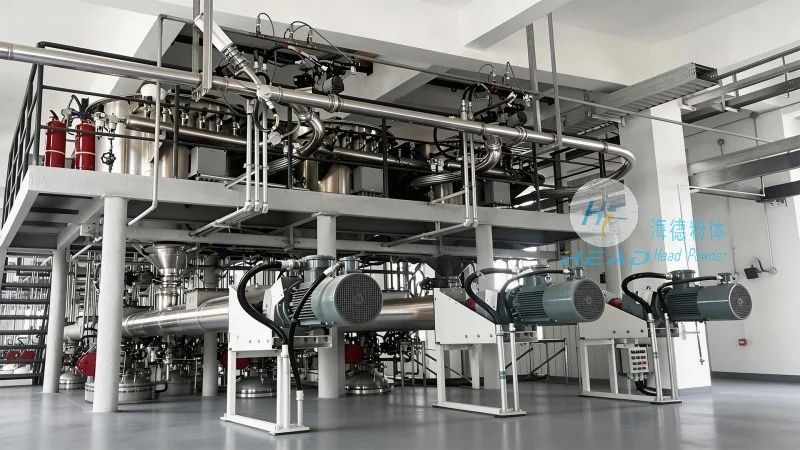
Classification of Coal Ash Pneumatic Conveying Systems
Coal ash pneumatic conveying systems are typically classified based on the conveying principle and the type of material being transported. The primary classifications include dense-phase and dilute-phase systems, each with distinct operational characteristics and applications.
Dense-phase pneumatic conveying systems are designed to transport materials in a semi-solid or solid state, often using low air velocities and high material concentrations. This method is ideal for handling fine powders like coal ash, as it minimizes material degradation and reduces the risk of dust emissions. In contrast, dilute-phase systems utilize higher air velocities and lower material concentrations, suitable for longer distances and less abrasive materials.
Another classification criterion is the direction of material flow, which can be either positive or negative pressure. Positive pressure systems operate by blowing air through the conveying line, pushing the material forward, while negative pressure systems draw material into the system using suction. The choice between these depends on factors such as the distance to be covered, the need for dust control, and the environmental regulations in the operating region.
Key Components of Coal Ash Pneumatic Conveying Systems
A coal ash pneumatic conveying system comprises several critical components that work in tandem to ensure efficient operation. The main components include the material feed system, conveying line, air supply unit, and control mechanisms.
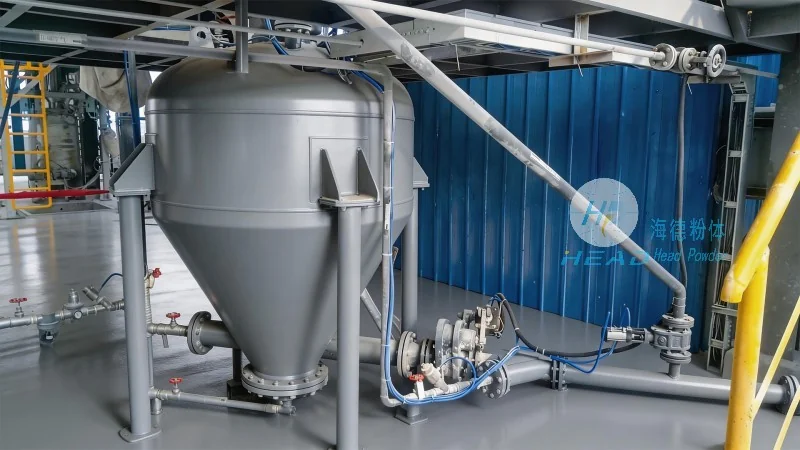
The material feed system is responsible for introducing coal ash into the conveying line. This can be achieved through various mechanisms such as rotary valves, screw feeders, or pneumatic feeders, which ensure a consistent and controlled flow of material. The choice of feeder depends on the ash's properties, including particle size, moisture content, and flowability.
The conveying line is the central part of the system, where the material is transported. It is typically made of stainless steel or other corrosion-resistant materials to withstand the abrasive nature of coal ash. The line's diameter and length are carefully selected based on the system's capacity and the distance to be covered. For dense-phase systems, the line may include expansion joints or bends to accommodate changes in direction and pressure.
The air supply unit provides the necessary pressure or suction to move the material. This unit can be a blower or a vacuum pump, depending on the system's design. The air flow rate is crucial, as it directly affects the conveying capacity and the system's energy efficiency. Proper sizing of the air supply ensures that the material is transported at the desired velocity without excessive energy consumption.
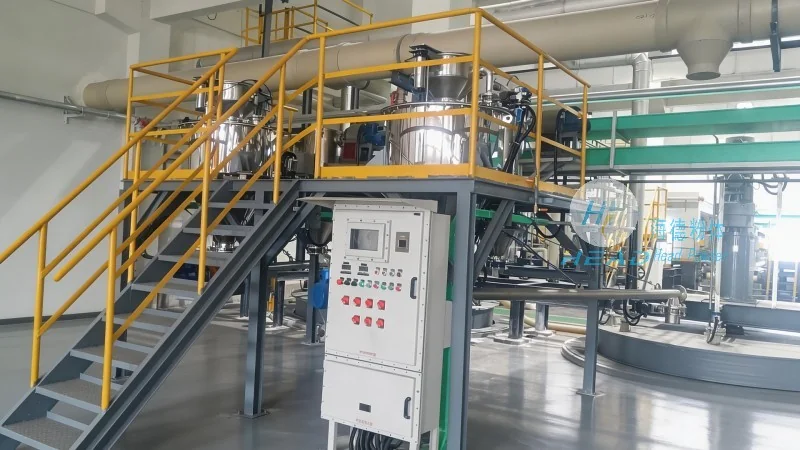
Control mechanisms are essential for monitoring and regulating the system's operation. These include pressure sensors, flow meters, and control valves that adjust the air supply and material feed rate in real-time. Advanced control systems may also incorporate automation features to optimize performance and reduce downtime. Proper control ensures that the system operates within safe and efficient parameters, minimizing the risk of blockages or material loss.
Application and Benefits of Coal Ash Pneumatic Conveying Systems
Coal ash pneumatic conveying systems are widely used in thermal power plants and other industrial facilities for the efficient handling of coal ash. The primary benefits of these systems include reduced labor costs, improved safety, and enhanced environmental performance.
By automating the transportation process, these systems reduce the need for manual handling, which minimizes the risk of dust exposure and accidents. The enclosed nature of the conveying line also helps in controlling dust emissions, contributing to better air quality and compliance with environmental regulations. Additionally, the systems can be integrated with other processing equipment, such as ash storage silos or recycling facilities, to create a seamless material flow.
The efficiency of pneumatic conveying systems is another significant advantage. Compared to traditional methods like bucket elevators or belt conveyors, these systems can transport materials over longer distances with lower energy consumption. The ability to handle fine powders without degradation makes them suitable for applications where material quality is critical, such as in the production of cement or other building materials.