

Polypropylene Resin Powder Pneumatic Conveying: How to Efficiently Transport Powdered Materials with
Efficient material handling is a critical challenge in many industrial processes, especially when dealing with fine powders like polypropylene resin. Traditional methods such as belt conveyors or bucket elevators often struggle with issues like dust generation, material degradation, and operational inefficiencies. This is where pneumatic conveying systems offer a superior solution, enabling the safe and effective transport of polypropylene resin powder through the use of air flow. In this article, we explore the principles and applications of pneumatic conveying for polypropylene resin, highlighting how companies like Shandong HeadPowder Engineering Co., Ltd. (referred to as HeadPowder) have developed advanced systems to meet these demands.
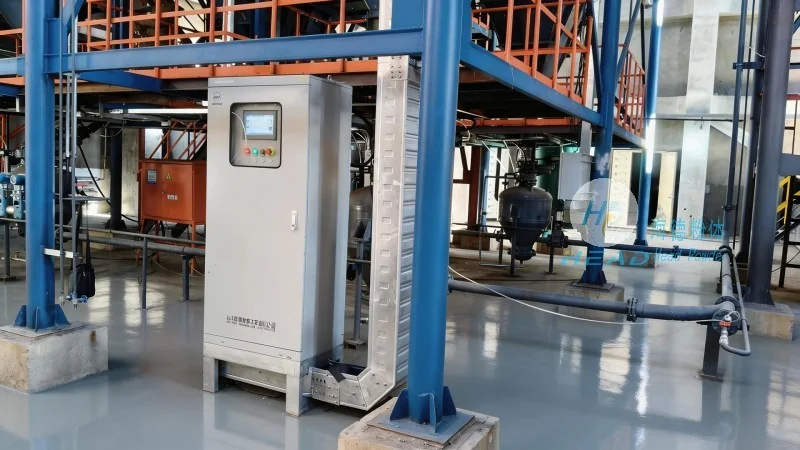
Pneumatic Conveying: An Overview of the Technology
Pneumatic conveying is a method of transporting bulk materials, including powders and granules, using a gas stream, typically air. Unlike mechanical conveyors, which rely on physical contact and friction, pneumatic systems utilize pressure differentials to move materials through a pipeline. There are two main types of pneumatic conveying: pressure and vacuum systems. Pressure systems use compressed air to push material forward, while vacuum systems use a vacuum to pull material into the system. For polypropylene resin, which is often sensitive to moisture and temperature, the choice of system and design is crucial to maintain material integrity and ensure consistent performance.
Polypropylene Resin Powder: Properties and Handling Challenges
Polypropylene (PP) is a widely used thermoplastic polymer known for its lightweight, chemical resistance, and versatility in manufacturing. When in powder form, PP resin presents unique handling challenges. The fine particles can be prone to static electricity, which can cause dust accumulation and affect material flow. Additionally, PP powder is often hygroscopic, meaning it can absorb moisture from the air, leading to clumping and reduced processing quality. These challenges make traditional handling methods inadequate, necessitating specialized equipment and systems to ensure efficient and safe transport.
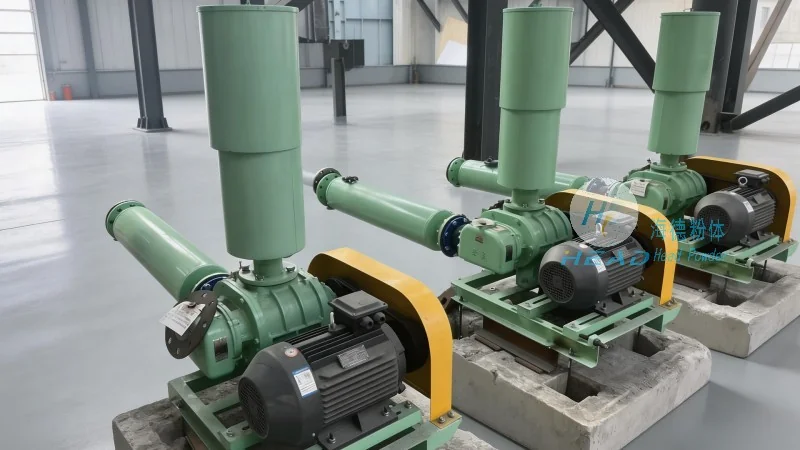
HeadPowder's Pneumatic Conveying Solutions for Polypropylene Resin
Shandong HeadPowder Engineering Co., Ltd. specializes in designing and manufacturing advanced pneumatic conveying systems tailored to the specific needs of polypropylene resin powder. With a focus on innovation and customer-centric solutions, HeadPowder has developed systems that address the unique challenges associated with PP powder handling. The company's solutions include both pressure and vacuum conveying systems, as well as hybrid systems that combine the benefits of both. Each system is engineered to maintain the purity and quality of the polypropylene resin, minimizing contamination and ensuring consistent material flow rates.
Key Features of HeadPowder's Pneumatic Conveying Systems
HeadPowder's pneumatic conveying systems for polypropylene resin are equipped with several key features that enhance performance and reliability. One of the most important features is the use of high-quality materials for the conveying pipeline and components. The systems are constructed from corrosion-resistant materials such as stainless steel or special alloys, which are ideal for handling polypropylene resin and preventing material degradation. Additionally, the systems incorporate advanced control systems that allow for precise regulation of air pressure and flow rates, ensuring optimal material transport. The company also offers customizable solutions, allowing clients to tailor the system to their specific production requirements, including different particle sizes, flow rates, and system lengths.
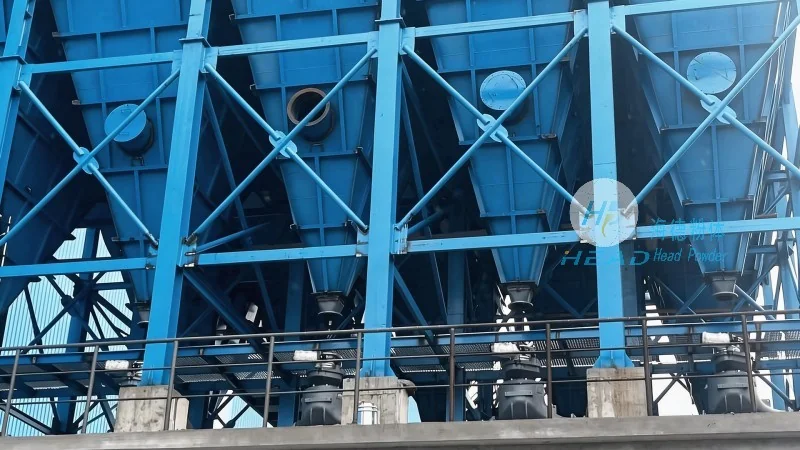
Applications and Benefits in Industrial Settings
The use of pneumatic conveying systems for polypropylene resin has numerous benefits in industrial settings. One of the primary advantages is the reduction in dust and contamination, which is critical for maintaining product quality and meeting regulatory standards. Pneumatic systems also offer improved safety by eliminating the need for manual handling of powders, reducing the risk of respiratory issues and other health hazards. Additionally, these systems can significantly increase production efficiency by reducing downtime and improving material flow consistency. In industries such as plastics manufacturing, where polypropylene resin is a key raw material, the use of efficient conveying systems can lead to cost savings and increased profitability.
Conclusion: Efficient and Reliable Transport with HeadPowder
For industries dealing with polypropylene resin powder, pneumatic conveying is an essential technology for efficient material handling. Companies like Shandong HeadPowder Engineering Co., Ltd. have developed advanced systems that address the unique challenges of PP powder, ensuring safe, reliable, and efficient transport. By leveraging the benefits of pneumatic conveying, manufacturers can improve product quality, enhance safety, and increase operational efficiency. As the demand for polypropylene resin continues to grow, the importance of effective material handling systems will only increase, making solutions like those offered by HeadPowder increasingly valuable to the industry.