

[LITHIUM-ION BATTERY MATERIAL PNEUMATIC CONVEYING: HOW TO EFFICIENTLY TRANSPORT POWDER AND GRANULAR
Efficient material handling is a critical factor in the production of lithium-ion batteries, where the precise and reliable transport of powder and granular materials is essential for maintaining high-quality standards and operational efficiency. Pneumatic conveying systems have emerged as a sophisticated solution to address these challenges, offering a method to move materials through pipelines using air pressure or vacuum. This approach not only enhances safety by eliminating the need for manual handling but also improves process consistency and reduces contamination risks. For companies operating in the battery material sector, understanding the principles and applications of pneumatic conveying is vital to optimizing their production lines.
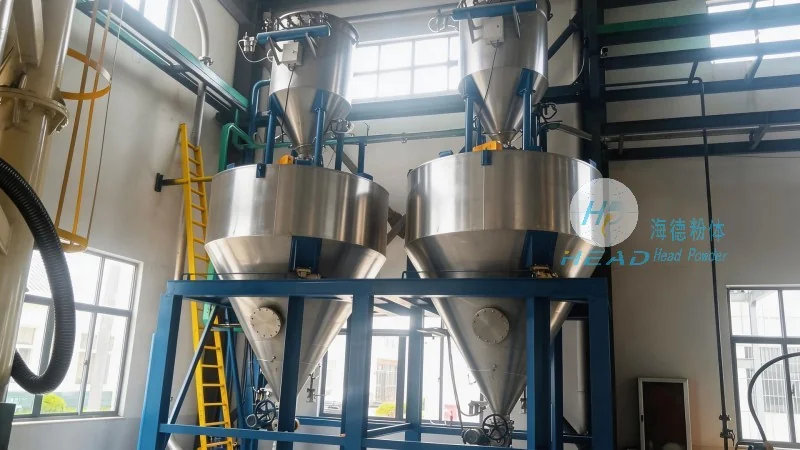
Understanding Pneumatic Conveying for Lithium-Ion Battery Materials
Pneumatic conveying systems utilize air flow to transport bulk materials such as lithium compounds, carbon black, and other powders used in battery manufacturing. These systems can be categorized into two main types: pressure and vacuum. Pressure systems use compressed air to push material through the pipeline, while vacuum systems create a negative pressure to draw material from a source. The choice between these systems depends on factors like material characteristics, distance to be conveyed, and the required flow rate. For lithium-ion battery materials, which often require gentle handling to prevent agglomeration or degradation, pressure systems are commonly preferred due to their ability to deliver consistent flow rates and minimize material degradation.
Key Components of Pneumatic Conveying Systems
Effective pneumatic conveying for battery materials relies on several key components that work in tandem to ensure reliable operation. The primary components include the material feed hopper, which holds the bulk material and regulates its flow into the system; the conveying line, typically made of stainless steel or other corrosion-resistant materials to accommodate the chemical properties of battery powders; and the air compressor or vacuum pump, which provides the necessary pressure or vacuum to move the material. Additionally, systems may include cyclone separators or filters to separate the material from the air stream, ensuring that the conveyed material is clean and free from contaminants. For high-purity applications like lithium-ion battery production, these separation components are critical to maintaining material quality and preventing cross-contamination.
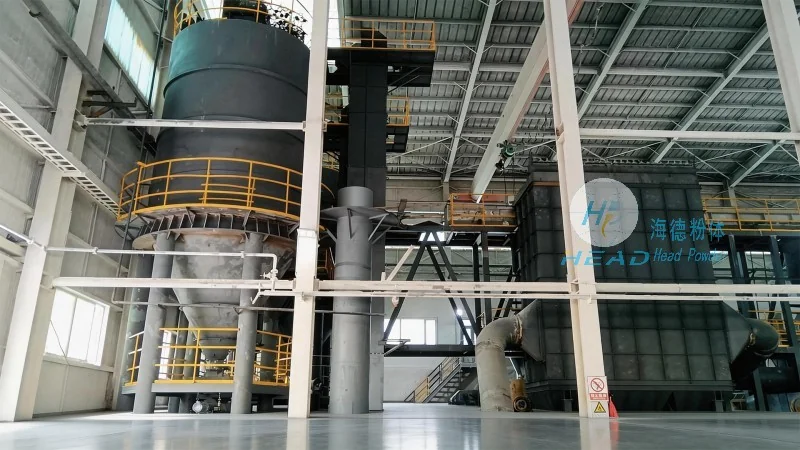
Advantages of Pneumatic Conveying in Battery Material Handling
Implementing pneumatic conveying in the handling of lithium-ion battery materials offers numerous advantages that directly impact production efficiency and product quality. One of the most significant benefits is the ability to handle materials in a closed system, which minimizes exposure to dust and airborne particles, thereby reducing the risk of contamination and improving workplace safety. This closed-loop operation also helps in controlling the environment within the conveying system, which is crucial for sensitive materials that are prone to moisture or oxidation. Furthermore, pneumatic conveying systems can be designed to handle a wide range of material properties, from fine powders to larger granules, making them versatile for various stages of battery material processing. The flexibility of these systems allows manufacturers to adjust flow rates and pressure levels to meet specific production requirements, ensuring optimal performance under different operational conditions.
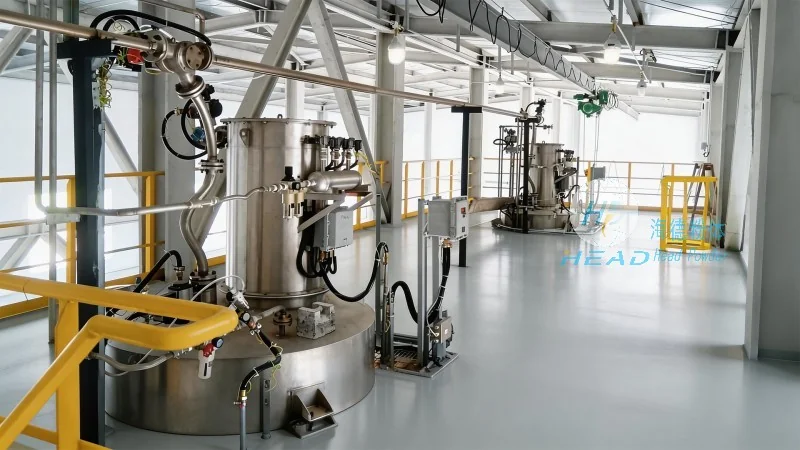
Applications in Lithium-Ion Battery Production
Pneumatic conveying is widely used in multiple stages of lithium-ion battery production, from raw material processing to final assembly. In the raw material stage, these systems are employed to transport lithium compounds, such as lithium carbonate or lithium hydroxide, from storage silos to mixing and processing equipment. This ensures a continuous and controlled supply of raw materials, which is essential for maintaining consistent battery performance. During the electrode manufacturing process, pneumatic conveying is used to move carbon black, conductive additives, and binders to the mixing and coating lines. The ability to handle these materials gently and in a controlled manner helps preserve their physical properties, which directly affects the battery's energy density and cycle life. In the final assembly stage, pneumatic conveying may be used to transport finished battery cells or components to packaging and shipping areas, ensuring a smooth transition from production to distribution.
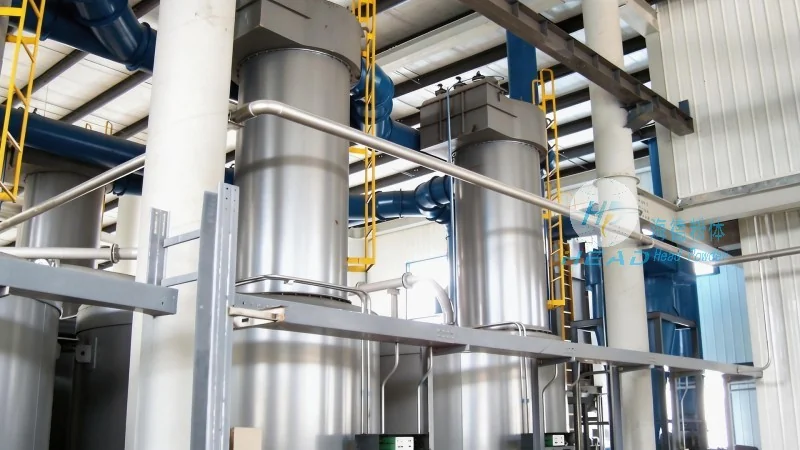
Optimizing Pneumatic Conveying Systems for Maximum Efficiency
To achieve the highest efficiency in pneumatic conveying for lithium-ion battery materials, manufacturers must consider several optimization strategies. One key factor is the selection of the appropriate air velocity, which must be high enough to keep the material suspended in the air stream but not so high as to cause excessive wear on the conveying line or increase energy consumption. Proper sizing of the conveying line and components is also critical, as improper sizing can lead to blockages or reduced flow rates. Regular maintenance of the system, including cleaning of filters and checking for wear on components, is essential to prevent downtime and maintain consistent performance. Additionally, integrating sensors and monitoring systems into the pneumatic conveying equipment allows for real-time tracking of material flow and system performance, enabling timely adjustments to optimize efficiency and identify potential issues before they become major problems.
Conclusion: The Role of Pneumatic Conveying in Modern Battery Manufacturing
Pneumatic conveying has become an indispensable technology in the lithium-ion battery industry, providing a reliable and efficient method for handling the critical powder and granular materials used in battery production. By leveraging the principles of air flow to transport materials, manufacturers can enhance process consistency, improve product quality, and reduce operational risks. As the demand for lithium-ion batteries continues to grow, the importance of optimizing material handling processes will only increase. Companies like Shandong HeadPowder Engineering Co., Ltd., based in China, specialize in providing advanced pneumatic conveying solutions tailored to the specific needs of the battery industry, helping manufacturers achieve higher efficiency and competitiveness in their production operations.