

[Classification and Composition of Fertilizer Pneumatic Conveying Systems]
Understanding the classification and components of fertilizer pneumatic conveying systems is crucial for optimizing material handling in agricultural and industrial applications. These systems are designed to transport bulk fertilizers efficiently and safely, ensuring minimal product degradation and operational efficiency. Shandong HeadPowder Engineering Co., Ltd., a leading manufacturer based in Shandong, China, specializes in the design and supply of such systems, catering to the diverse needs of the fertilizer industry.
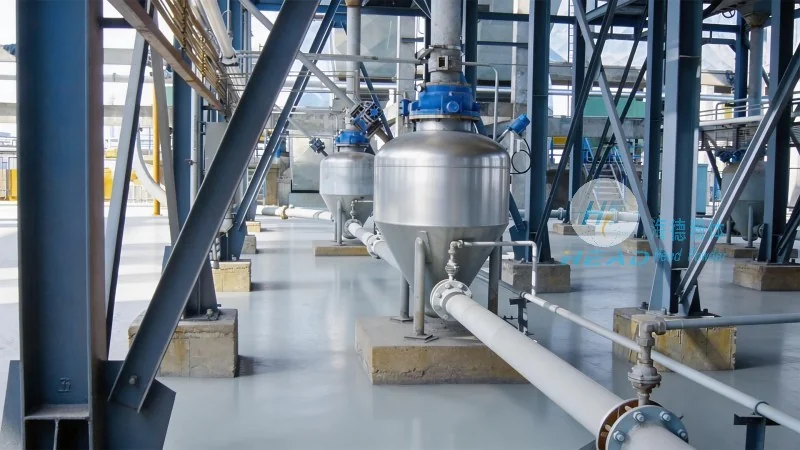
Classification of Fertilizer Pneumatic Conveying Systems
There are primarily two main categories of fertilizer pneumatic conveying systems based on the method of air flow and material transport: positive pressure systems and negative pressure (or vacuum) systems. Each type has distinct characteristics and applications.
Positive pressure systems operate by blowing air into the system, creating a pressure higher than the ambient air. This method is suitable for long-distance transport and handling of abrasive or dusty materials. The air is introduced at the inlet, and the material is drawn along with the air stream. This approach is often preferred for applications requiring high throughput and reliable material movement.
Negative pressure systems, on the other hand, use a vacuum to draw material into the system. The air and material are pulled from the material source, and the mixture is conveyed through the system. This type is typically used for shorter distances and for handling materials that are less abrasive or where dust control is a priority. The vacuum is generated at the discharge end, creating a suction effect that pulls the material forward.
Key Components of Fertilizer Pneumatic Conveying Systems
Regardless of the classification, fertilizer pneumatic conveying systems consist of several critical components that work in tandem to ensure effective operation. These components include:
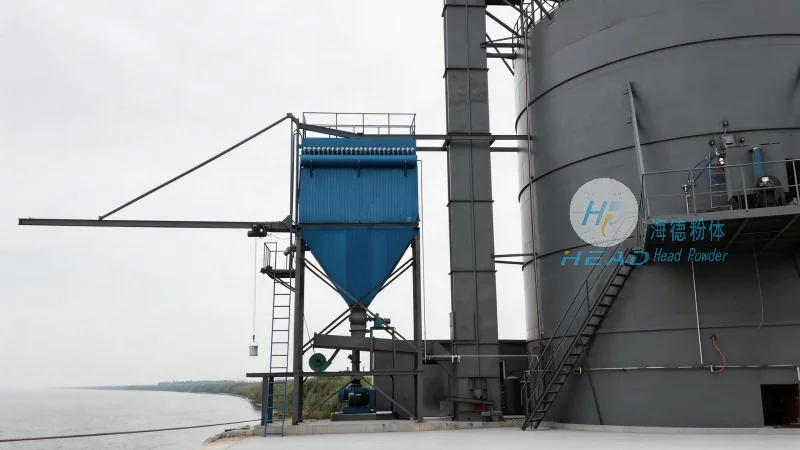
1. Feeder: The feeder is responsible for feeding the fertilizer material into the system at a controlled rate. It ensures a consistent flow of material, preventing blockages and maintaining system efficiency. The feeder can be a screw feeder, a rotary valve, or a vibrating feeder, depending on the material characteristics and system requirements.
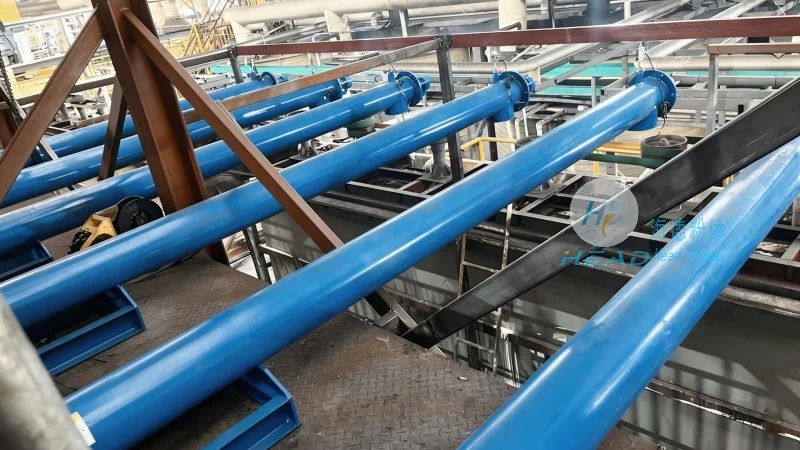
2. Conveying Line: The conveying line is the main pipeline through which the air and material are transported. It is typically made of stainless steel or other corrosion-resistant materials to handle the abrasive nature of fertilizers. The line is designed with appropriate diameters and bends to minimize pressure drop and ensure smooth material flow.
3. Blower or Vacuum Pump: The blower or vacuum pump provides the necessary air pressure or vacuum to move the material. In positive pressure systems, a high-pressure blower is used, while in negative pressure systems, a vacuum pump is employed. The selection of the blower or pump depends on the system's capacity, distance, and material properties.
4. Separator: The separator is a critical component that separates the material from the air at the discharge end. It uses centrifugal force or other separation mechanisms to collect the fertilizer and return the air to the system or to the environment. Proper separation is essential to prevent material loss and maintain air quality.
5. Receiver or Discharge Hopper: The receiver or discharge hopper is where the conveyed material is collected and stored before further processing or use. It is designed to handle the material's bulk density and flow characteristics, ensuring smooth discharge and preventing material buildup.
6. Control System: The control system monitors and regulates the operation of the pneumatic conveying system. It includes sensors for pressure, flow, and level, as well as control valves and automation equipment. The control system ensures that the system operates within safe and efficient parameters, adjusting the feeder speed, blower speed, or other variables as needed.
Applications and Benefits of Fertilizer Pneumatic Conveying Systems
Fertilizer pneumatic conveying systems are widely used in various applications, including fertilizer manufacturing, storage, and distribution. They offer several benefits over traditional mechanical conveying methods, such as:
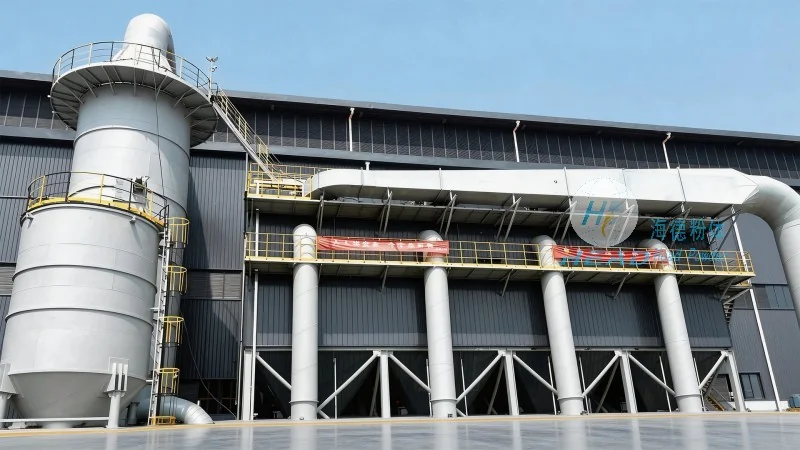
1. Efficiency and Speed: Pneumatic conveying systems can transport materials over long distances at high speeds, reducing handling time and increasing overall productivity. This is particularly advantageous in large-scale fertilizer production facilities where material movement is a critical factor.
2. Reduced Downtime: By minimizing the need for manual handling and reducing the risk of material blockages, pneumatic systems reduce downtime and maintenance costs. The automated control system ensures consistent operation, minimizing the need for human intervention.
3. Improved Product Quality: Pneumatic conveying systems minimize product degradation and contamination. The enclosed system prevents exposure to moisture, dust, or other contaminants, maintaining the quality and integrity of the fertilizer.
4. Space Efficiency: These systems can be installed in compact spaces, making them suitable for facilities with limited room for material handling equipment. The flexible design allows for easy integration into existing infrastructure.