

Classification and Composition of Wood Chip Pneumatic Conveying Systems
Wood chip pneumatic conveying systems are critical in the processing and transportation of wood chips, offering efficient and reliable solutions for various industrial applications. These systems are designed to handle wood chips from different sources, such as sawmills, biomass plants, and wood processing facilities, ensuring smooth material flow and minimal downtime. The classification and composition of these systems are crucial for understanding their functionality and selecting the appropriate system for specific needs.
Company Introduction
HeadPowder, a leading provider in the field, specializes in the design, manufacturing, and installation of advanced pneumatic conveying systems. With a strong presence in Shandong, China, the company has built a reputation for delivering high-quality solutions tailored to the unique requirements of wood chip processing industries. The company's expertise lies in understanding the challenges faced by wood chip handling operations and providing innovative solutions that enhance operational efficiency and reduce maintenance costs.
Classification of Wood Chip Pneumatic Conveying Systems
Wood chip pneumatic conveying systems can be broadly classified into two main categories based on the pressure within the system: positive pressure systems and negative pressure systems. Each type has distinct characteristics and is suitable for different operational scenarios.
Positive Pressure Systems
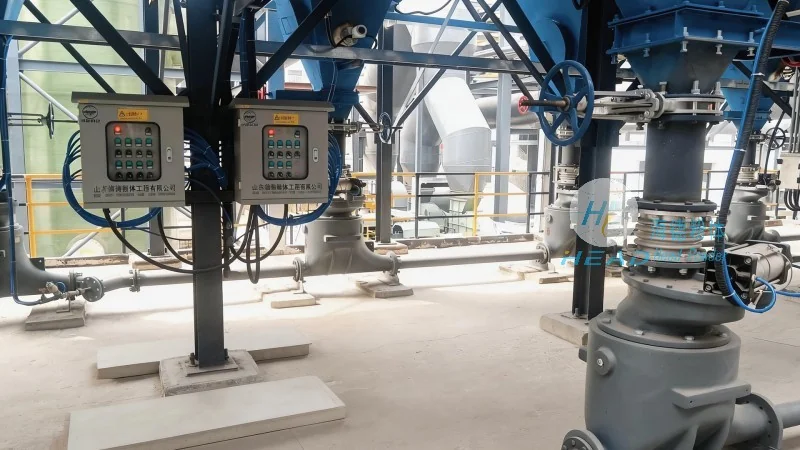
Positive pressure systems operate by blowing air or gas into the conveying line, creating a pressure higher than the ambient air pressure. This method is ideal for applications where the material needs to be transported over long distances or through complex layouts. The primary components of a positive pressure system include a high-pressure blower, a hopper for material storage, a feeder to control the flow rate, and a series of pipelines that transport the wood chips. The system is designed to maintain a consistent pressure, ensuring that the material is propelled forward without clogging or blockages. Positive pressure systems are commonly used in large-scale wood chip processing plants where the volume of material to be transported is high and the distance is significant.
Negative Pressure Systems
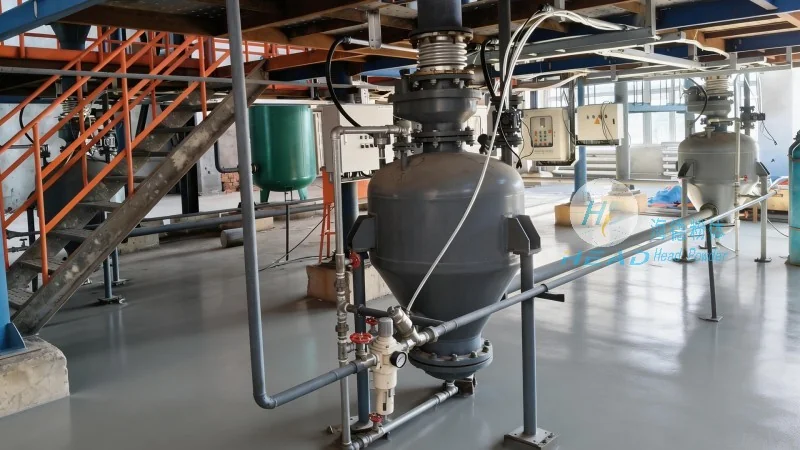
Negative pressure systems, also known as vacuum systems, operate by creating a vacuum in the conveying line, drawing the wood chips into the system. This method is suitable for applications where the material needs to be transported from a source to a destination, often over shorter distances or in environments where dust control is a priority. The key components of a negative pressure system include a vacuum blower, a filter to capture dust particles, a hopper for material collection, and a series of pipelines that draw the material into the system. The system is designed to maintain a consistent vacuum level, ensuring that the material is drawn efficiently without excessive energy consumption. Negative pressure systems are commonly used in smaller wood chip processing facilities or in applications where dust containment is critical.
Key Components of Wood Chip Pneumatic Conveying Systems
Regardless of the classification, wood chip pneumatic conveying systems consist of several critical components that work together to ensure efficient material transport. These components are designed to handle the specific characteristics of wood chips, such as their size, density, and moisture content.
Conveying Pipelines
The conveying pipelines are the primary structure of the system, responsible for transporting the wood chips from the source to the destination. These pipelines are typically made of stainless steel or other corrosion-resistant materials to withstand the abrasive nature of wood chips and prevent wear and tear. The diameter and length of the pipelines are carefully selected based on the volume of material to be transported and the distance between the source and destination. The pipelines are also equipped with elbows, bends, and other fittings to navigate the system layout, ensuring smooth material flow without causing blockages or pressure drops.
Blowers and Fans
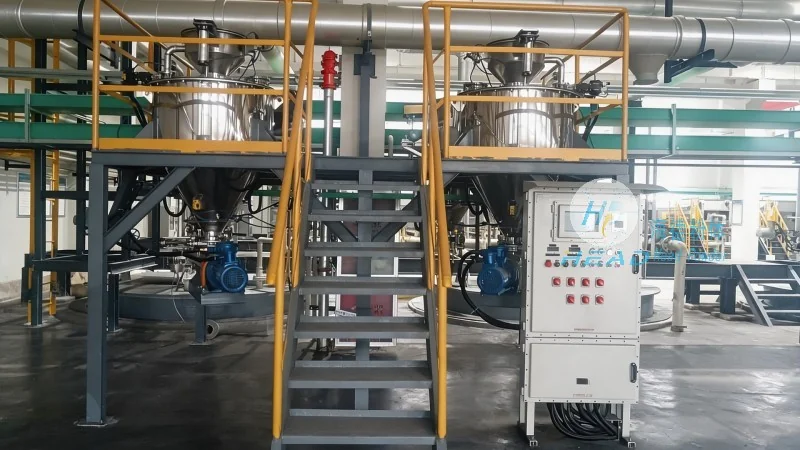
The blowers and fans are the power source of the system, responsible for creating the necessary pressure or vacuum to move the wood chips. The type of blower or fan used depends on the system classification and the specific requirements of the application. Positive pressure systems use high-pressure blowers, which can generate pressures up to several hundred millibars, while negative pressure systems use vacuum blowers, which can create pressures down to several hundred millibars below atmospheric pressure. The selection of the blower or fan is critical, as it directly impacts the system's efficiency, energy consumption, and overall performance. High-efficiency blowers are preferred to minimize energy costs and reduce the environmental impact of the system.
Feeding and Hopper Systems
The feeding and hopper systems are responsible for controlling the flow rate of the wood chips into the conveying line. The hopper is a container that stores the wood chips and provides a consistent supply to the feeder. The feeder is a device that regulates the flow rate, ensuring that the material is fed into the system at a controlled rate. This is crucial to prevent overloading the system and causing blockages or pressure spikes. The feeding system may include a screw feeder, a rotary valve, or a vibrating feeder, depending on the characteristics of the wood chips and the system requirements. The hopper is typically designed with a sloped bottom to facilitate the flow of material and prevent clogging.
Separation and Filter Systems
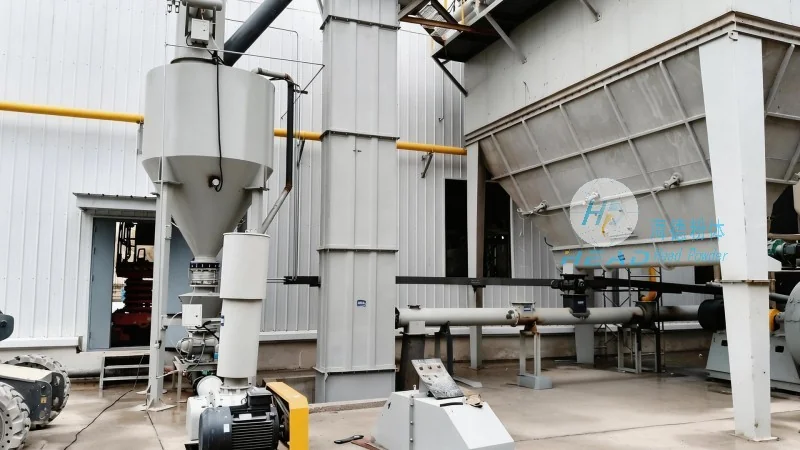
The separation and filter systems are essential for maintaining the quality of the wood chips and controlling dust emissions. The separation system is responsible for separating the wood chips from the air or gas as they exit the conveying line. This is typically done using a cyclone separator or a bag filter, which captures the wood chips and returns them to the system or to a storage container. The filter system is responsible for capturing dust particles that may be present in the air or gas, preventing them from being released into the environment. The filter is typically made of a high-efficiency material, such as polyester or polypropylene, and is designed to capture particles as small as 1 micron. The separation and filter systems are critical for ensuring that the wood chips are transported without contamination and that the system complies with environmental regulations.
Application and Operational Considerations
The successful operation of a wood chip pneumatic conveying system depends on several factors, including the type of wood chips being transported, the distance and layout of the system, and the environmental conditions. Proper maintenance and regular inspections are essential to ensure the system operates efficiently and reliably. The system should be designed to handle the specific characteristics of the wood chips, such as their size, density, and moisture content, to prevent blockages or wear and tear. The system should also be equipped with safety features, such as pressure relief valves and dust suppression systems, to protect the operators and the environment.
Conclusion
Wood chip pneumatic conveying systems are an essential part of modern wood chip processing operations, offering efficient and reliable solutions for material transport. The classification and composition of these systems are crucial for understanding their functionality and selecting the appropriate system for specific needs. With the expertise of companies like Shandong HeadPowder Engineering Co., Ltd., these systems can be designed and installed to meet the unique requirements of wood chip processing industries, enhancing operational efficiency and reducing maintenance costs. By understanding the key components and operational considerations of these systems, wood chip processing facilities can ensure smooth and efficient material flow, leading to increased productivity and profitability.