

Analysis of Cereal Pneumatic Conveying Systems
Efficient and reliable material handling is a critical aspect of modern food processing, particularly for delicate products like cereals. Pneumatic conveying systems have emerged as a preferred solution for transporting cereal products due to their ability to maintain product integrity while ensuring smooth operation. This article provides an in-depth analysis of cereal pneumatic conveying systems, exploring their design, functionality, and applications in the food industry.
Understanding Pneumatic Conveying Technology
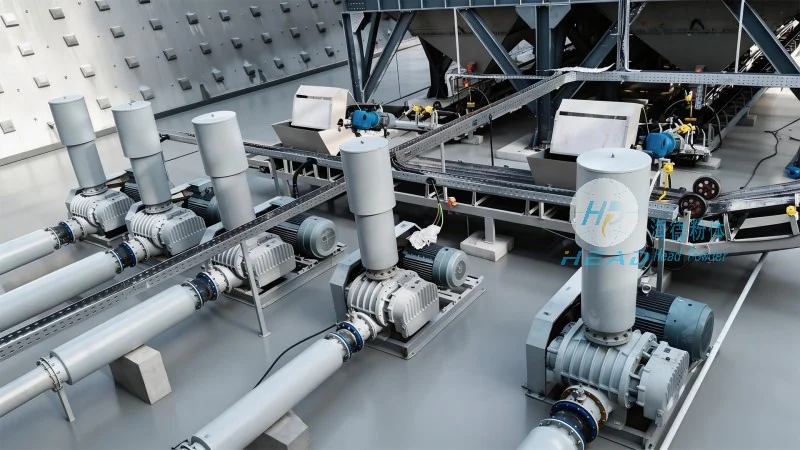
Pneumatic conveying systems are a sophisticated method of transporting bulk materials, including cereals, through a network of pipes using air or gas as the conveying medium. These systems are categorized into two primary types based on the pressure differential within the system: pressure systems and vacuum systems. Pressure systems operate by generating positive pressure within the pipeline, typically using a blower or compressor, to push the material forward. This method is ideal for transporting materials over long distances and through complex layouts, as the pressure can be maintained throughout the entire system. Vacuum systems, on the other hand, create a negative pressure in the pipeline, drawing material from the source into the system. This approach is often used for shorter distances or when the material needs to be collected from multiple points.
Key Components of Cereal Pneumatic Conveying Systems
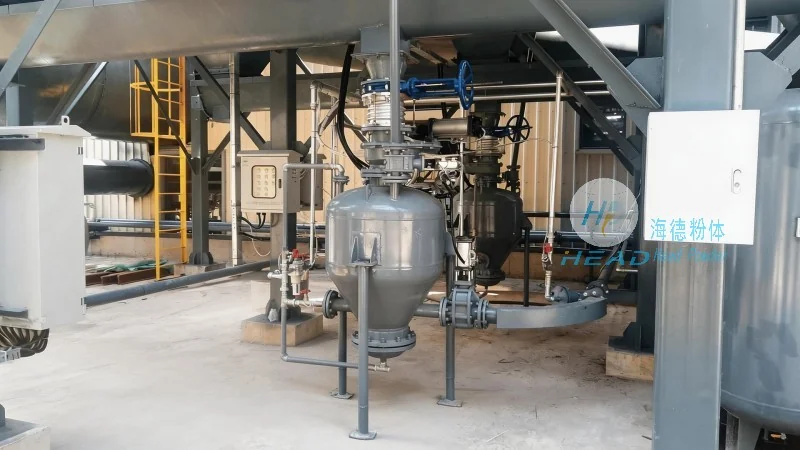
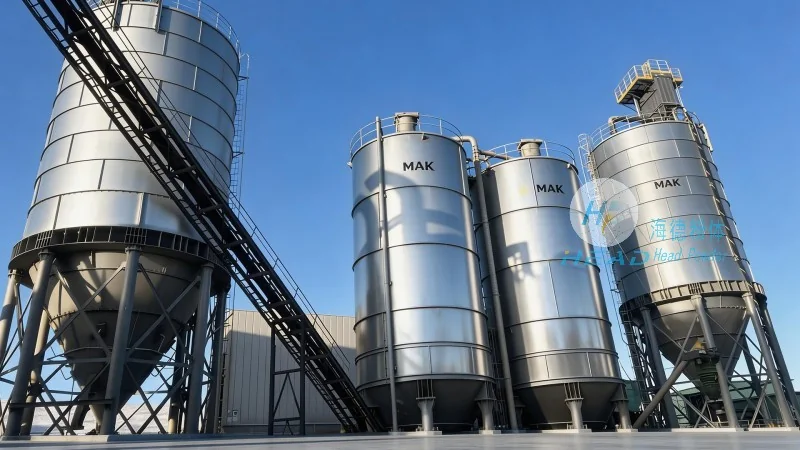
The performance and efficiency of a pneumatic conveying system for cereals are determined by the quality and integration of its key components. The system begins with a storage hopper, which is designed to hold large quantities of cereal while preventing material bridging or caking. The hopper is typically equipped with a discharge cone or cone valve to ensure a consistent flow of material. Next, a feeder is used to control the rate at which the cereal is introduced into the conveying line. Common feeder types include rotary valves, screw feeders, and vibratory feeders, each offering different levels of control and suitability for different cereal types. The conveying line itself is a critical component, usually constructed from stainless steel or food-grade plastic to prevent contamination and ensure durability. The line may include bends, elbows, and expansion joints to accommodate changes in direction and accommodate thermal expansion. At the end of the line, a receiver or silo is used to collect the discharged material. The receiver is often equipped with a filter or cyclone to separate the air from the cereal, preventing dust and maintaining product purity. The entire system is powered by a blower or compressor, which provides the necessary air pressure or vacuum to move the material.