

Analysis of Coke and Limestone Powder Pneumatic Conveying Systems
For industrial applications involving the transport of coke and limestone powder, efficient material handling is crucial. Pneumatic conveying systems offer a reliable solution that minimizes material degradation and ensures consistent flow. This article provides an in-depth analysis of such systems, focusing on their design, operation, and benefits for processing facilities.
Key Components of the Pneumatic Conveying System
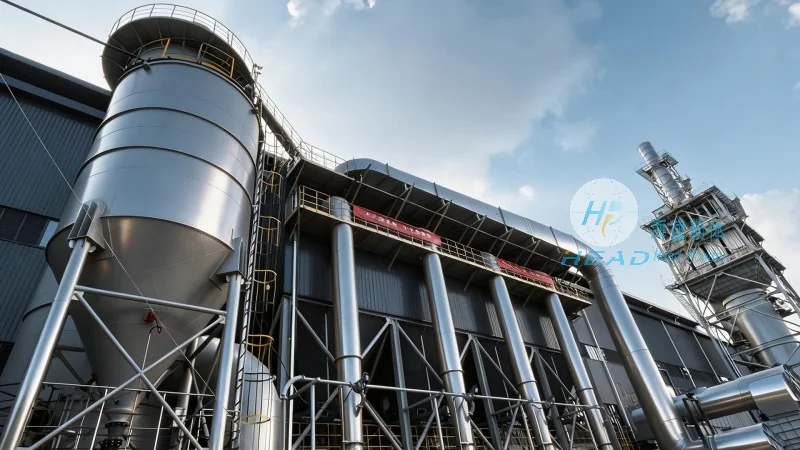
The core components of a pneumatic conveying system for coke and limestone powder include the material feed hopper, rotary valve, air compressor, and conveying pipeline. The feed hopper stores the bulk material and regulates its discharge into the system. The rotary valve acts as a controlled gate, preventing backflow and ensuring a steady flow of powder into the pipeline. The air compressor generates the necessary pressure to move the material through the system, while the conveying pipeline transports the powder from the source to the destination. Each component plays a critical role in maintaining system efficiency and preventing material blockages or degradation.
Design Considerations for Material Handling
When designing a pneumatic conveying system for coke and limestone powder, several factors must be considered to optimize performance. Particle size and density are key parameters, as they affect the air velocity required for effective transport. The system must be designed to handle the specific characteristics of coke and limestone, such as their abrasive nature and potential for dust generation. Material compatibility with system components is also important, as coke and limestone can be corrosive or cause wear on metal parts. Engineers at Shandong HeadPowder Engineering Co., Ltd. specialize in tailoring systems to meet these specific requirements, ensuring long-term reliability and minimal maintenance.
Advantages of Pneumatic Conveying Over Traditional Methods
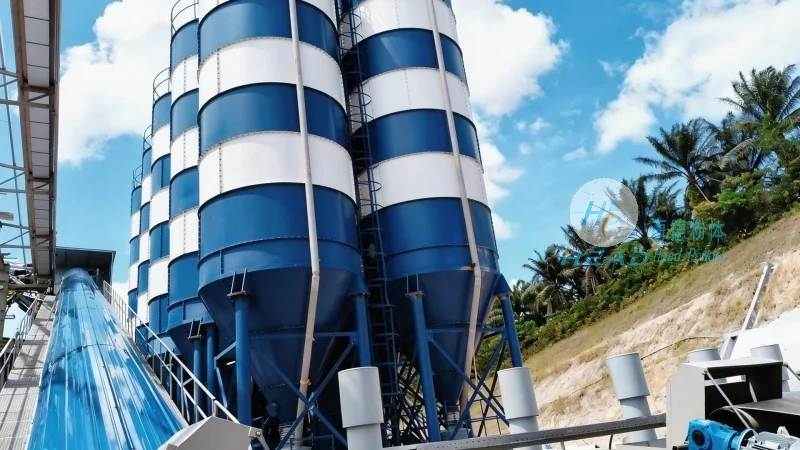
Compared to traditional methods like belt conveyors or bucket elevators, pneumatic conveying offers several advantages for transporting coke and limestone powder. It eliminates the need for mechanical components that can cause material breakage or contamination, reducing product loss and improving quality. The system also provides better control over material flow, allowing for precise dosing and preventing overloading of downstream equipment. Additionally, pneumatic conveying systems are more flexible in terms of layout, as they can be installed in various configurations without the need for extensive civil works. This flexibility makes them ideal for retrofitting existing facilities or integrating with new processing lines.
Operational Efficiency and Maintenance
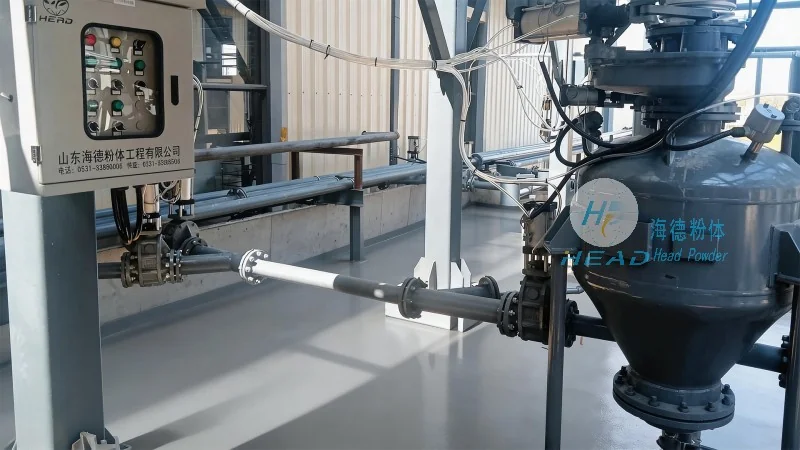
Operational efficiency is a primary concern for industrial facilities using pneumatic conveying systems. Proper system design and regular maintenance are essential to ensure consistent performance. The air compressor must be sized appropriately to handle the system's air demand, and filters must be installed to prevent dust from clogging components. Regular inspection of the conveying pipeline and rotary valve is necessary to detect and address any blockages or wear. Shandong HeadPowder Engineering Co., Ltd. provides comprehensive maintenance services to ensure that systems operate at peak efficiency, minimizing downtime and maximizing productivity.
Case Study: Application in Steel Manufacturing
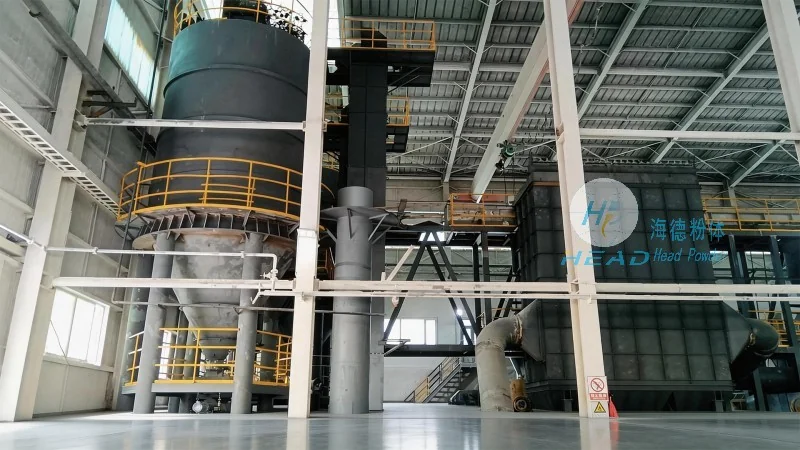
A practical example of a pneumatic conveying system for coke and limestone powder is its application in steel manufacturing. In steel plants, coke is used as a fuel and reducing agent in blast furnaces, while limestone is added to the furnace to control slag formation. The system must reliably transport these materials from storage silos to the furnace feed points. A system installed by Shandong HeadPowder Engineering Co., Ltd. for a major steel producer in China demonstrated significant improvements in material handling efficiency. The system reduced material loss by 15% and decreased maintenance time by 20%, leading to lower operational costs and increased production capacity.
Conclusion and Future Developments
Pneumatic conveying systems are a vital technology for the efficient handling of coke and limestone powder in industrial applications. By understanding the key components, design considerations, and operational benefits, facilities can optimize their material handling processes. Shandong HeadPowder Engineering Co., Ltd., with its expertise in engineering and manufacturing, provides tailored solutions that meet the specific needs of clients. As technology advances, future developments may include more energy-efficient air compressors and advanced control systems to further enhance the performance of pneumatic conveying systems.