

Analysis of Calcium Hydroxide Pneumatic Conveying Systems
Calcium hydroxide, commonly known as slaked lime, is a widely used chemical in various industrial applications. The efficient and safe transportation of this material is crucial for maintaining operational efficiency and ensuring product quality. This article provides an in-depth analysis of pneumatic conveying systems designed specifically for calcium hydroxide, highlighting key components, operational principles, and practical considerations for implementation.
Introduction to Calcium Hydroxide and Pneumatic Conveying
Calcium hydroxide is a white, powdery substance with a high moisture content and potential for dust generation. Traditional handling methods, such as manual or mechanical conveying, often pose challenges related to material degradation, contamination, and worker safety. Pneumatic conveying systems offer a solution by utilizing air to transport the material in a closed or semi-closed system, minimizing exposure risks and optimizing process flow. The choice of system type—positive pressure, negative pressure, or hybrid—depends on factors like material properties, distance, and system layout.
Key Components of a Calcium Hydroxide Pneumatic Conveying System
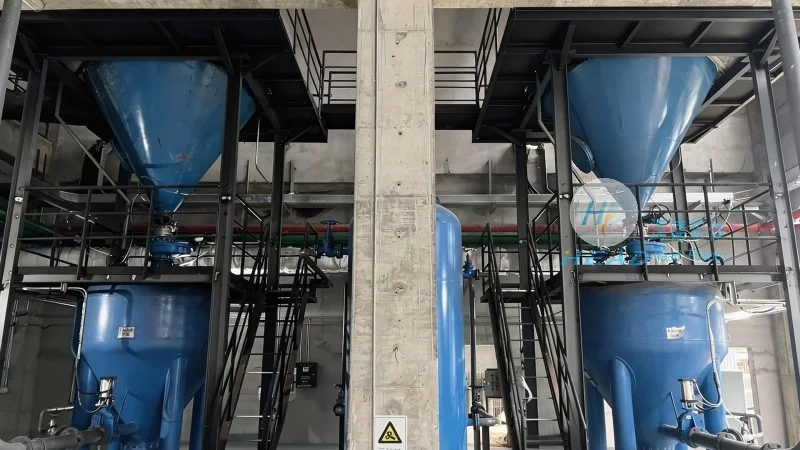
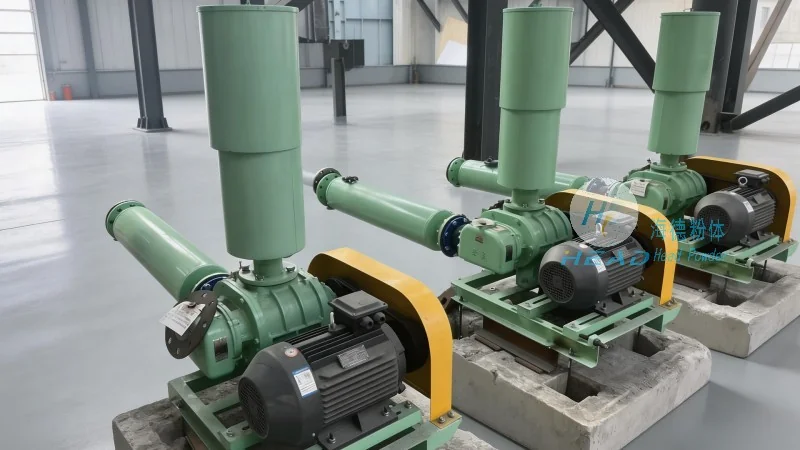
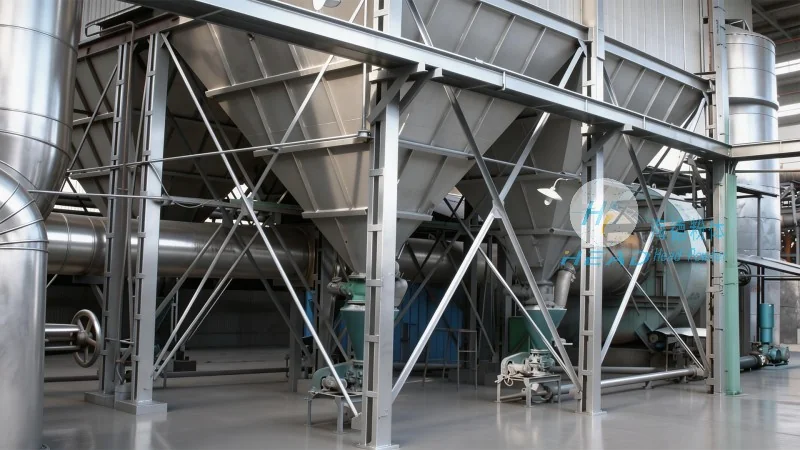
A typical pneumatic conveying system for calcium hydroxide consists of several critical components that work in tandem to ensure reliable operation. These include the material feed hopper, which stores and regulates the flow of calcium hydroxide; the air compressor or blower, which generates the necessary air pressure; the conveying line, often made of corrosion-resistant materials like stainless steel to withstand the chemical properties of the material; and the receiver or discharge hopper, where the material is collected for further processing. Additionally, accessories such as rotary valves, filters, and pressure regulators are essential for controlling the flow rate, maintaining system pressure, and preventing material blockages.
Operational Principles and System Design Considerations
The operational principle of a pneumatic conveying system involves creating a pressure differential between the inlet and outlet of the conveying line. In positive pressure systems, air is forced through the material, while in negative pressure systems, air is drawn through the material. For calcium hydroxide, positive pressure systems are often preferred due to their ability to handle higher material loads and longer distances without significant pressure loss. System design must account for the material's bulk density, flowability, and potential for caking or agglomeration. Properly sized air compressors and conveying lines are critical to maintaining consistent flow rates and preventing system inefficiencies or damage.
Advantages of Using Pneumatic Conveying for Calcium Hydroxide
Implementing a pneumatic conveying system for calcium hydroxide offers numerous advantages over traditional methods. Firstly, it significantly reduces dust exposure, enhancing workplace safety and compliance with environmental regulations. Secondly, the closed system minimizes material contamination from external sources, preserving product purity. Thirdly, automated control systems enable precise material flow management, reducing waste and improving process consistency. Additionally, pneumatic conveying can integrate seamlessly with other industrial processes, such as mixing or packaging, streamlining overall operations.
Case Study: Implementation by Shandong HeadPowder Engineering Co., Ltd.
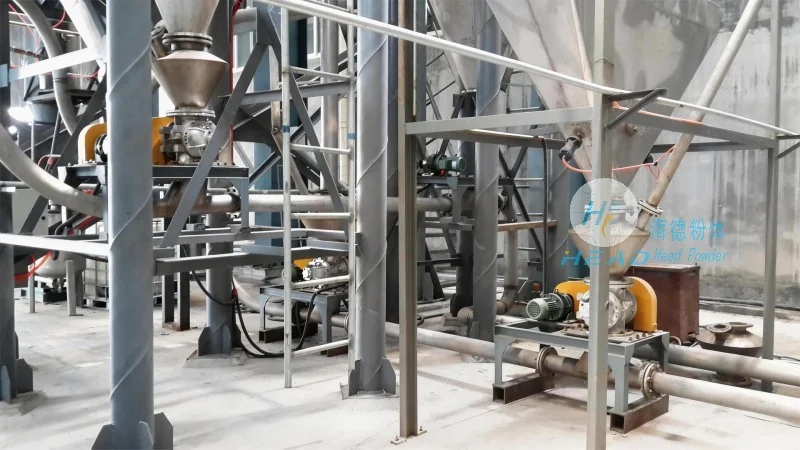
Shandong HeadPowder Engineering Co., Ltd., a leading provider of material handling solutions, has extensive experience in designing and installing pneumatic conveying systems for calcium hydroxide applications. The company, commonly referred to as HeadPowder, specializes in customizing systems to meet specific client needs, ensuring optimal performance and durability. Based in Shandong, China, HeadPowder leverages advanced engineering and manufacturing capabilities to deliver high-quality equipment that meets international standards. Their expertise includes system integration, maintenance support, and ongoing optimization to enhance client satisfaction and operational efficiency.
Conclusion and Recommendations
Pneumatic conveying systems represent a highly effective solution for the transportation of calcium hydroxide, offering improved safety, efficiency, and product quality. When selecting or implementing such a system, it is essential to consider material properties, system requirements, and long-term operational goals. Working with a reputable provider like Shandong HeadPowder Engineering Co., Ltd. ensures access to expert guidance, reliable equipment, and comprehensive support throughout the project lifecycle. By investing in a well-designed pneumatic conveying system, industries can enhance their calcium hydroxide handling processes, reduce operational costs, and maintain compliance with industry standards.