

Analysis of Monosodium Glutamate Pneumatic Conveying System
Monosodium glutamate (MSG), commonly known as a flavor enhancer, is widely used in the food industry. The efficient and safe transportation of MSG is crucial for industrial operations. This article provides an in-depth analysis of a pneumatic conveying system designed specifically for handling monosodium glutamate, highlighting its technical features, operational advantages, and practical applications.
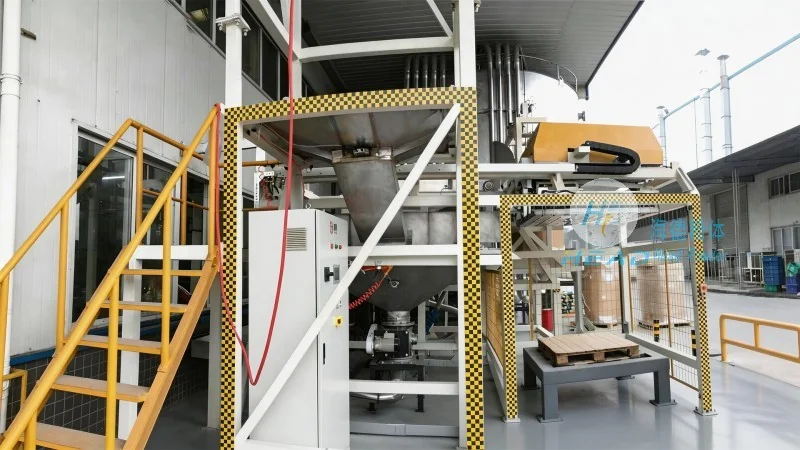
Introduction to Monosodium Glutamate Pneumatic Conveying Systems
Monosodium glutamate, a white crystalline powder, requires specialized handling due to its hygroscopic nature and the need for contamination-free processing. Pneumatic conveying systems offer a reliable solution for transporting MSG from storage silos to processing lines, blending facilities, or packaging areas. These systems utilize air pressure to move the material, eliminating the need for mechanical components that could introduce wear or contamination.
Key Components of the Pneumatic Conveying System
The monosodium glutamate pneumatic conveying system typically consists of several core components that work in tandem to ensure efficient material transport. These include a hopper or silo for material storage, a feeder to control the flow rate, a conveying line (often equipped with pressure vessels or vacuum pumps), and a receiver for the discharged material. The system may also incorporate filters, cyclones, and dust collection units to maintain air quality and prevent product loss.
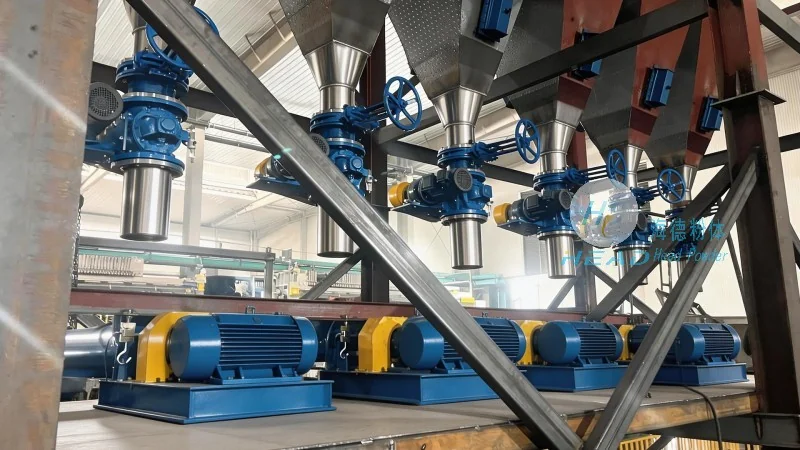
Operational Principles and Advantages
At its core, the pneumatic conveying system operates by creating a pressure differential. In pressure systems, compressed air is introduced into the conveying line, pushing the monosodium glutamate through the pipeline. In vacuum systems, a vacuum pump draws the material into the line. This method offers several advantages over traditional mechanical conveying, such as reduced product degradation, lower risk of cross-contamination, and the ability to handle sensitive materials without mechanical stress. The system also allows for flexible routing, enabling material to be transported over long distances or through complex layouts without the need for multiple transfer points.
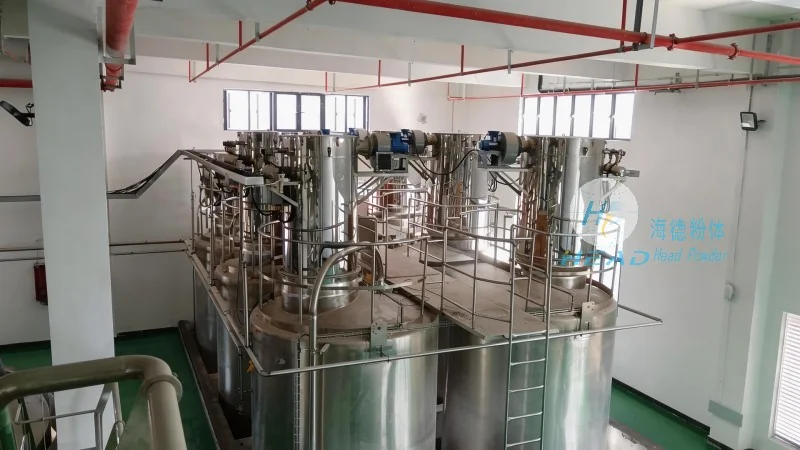
Technical Specifications and Performance
For the monosodium glutamate pneumatic conveying system, technical specifications are tailored to meet the specific requirements of the food industry. Key parameters include the conveying capacity, which can range from a few kilograms per hour to several tons per hour, depending on the system size. The system is designed to maintain low temperatures to prevent the degradation of MSG's flavor and nutritional properties. Additionally, the equipment is constructed from food-grade materials, such as stainless steel, to ensure compliance with hygiene standards and prevent any chemical reactions with the product.
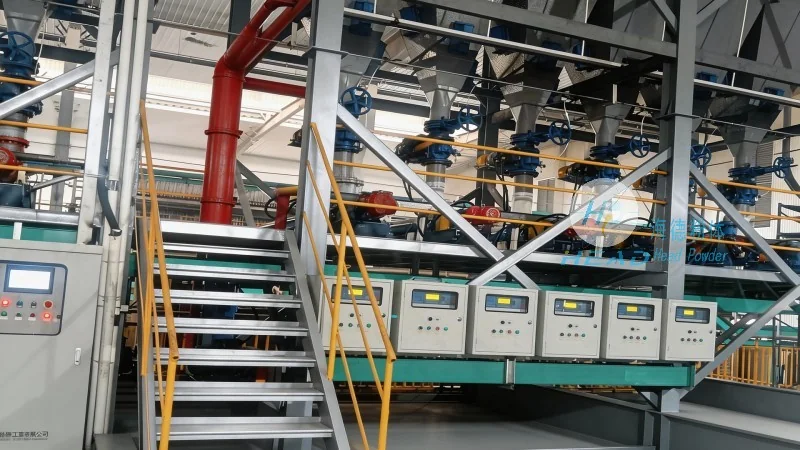
Applications in the Food Industry
The monosodium glutamate pneumatic conveying system is widely applied in various stages of food processing. It is commonly used to transport MSG from bulk storage to production lines, where it is blended with other ingredients to enhance flavor. The system is also suitable for moving MSG to packaging lines, where it is incorporated into final products like seasonings, soups, and sauces. Its ability to handle large volumes and maintain product integrity makes it an essential component in modern food manufacturing facilities.
About Shandong HeadPowder Engineering Co., Ltd.
Shandong HeadPowder Engineering Co., Ltd., operating under the brand name headpowder, is a leading manufacturer specializing in engineering solutions for the food and chemical industries. With a focus on innovation and quality, the company provides customized pneumatic conveying systems tailored to the unique needs of its clients. Headpowder's expertise in material handling and process engineering ensures that their systems are efficient, reliable, and compliant with industry standards. The company's commitment to customer satisfaction and product excellence has established it as a trusted partner in the global market for monosodium glutamate and other food-grade materials.