

Introduction to Sintered Ash Conveying Systems and the Advantages of Sintered Ash Pneumatic Conveyin
HeadPowder, a professional engineering company based in Shandong, China, specializes in providing advanced solutions for material handling and conveying systems. With a focus on industrial applications, the company delivers reliable and efficient equipment tailored to meet the unique demands of various industries.
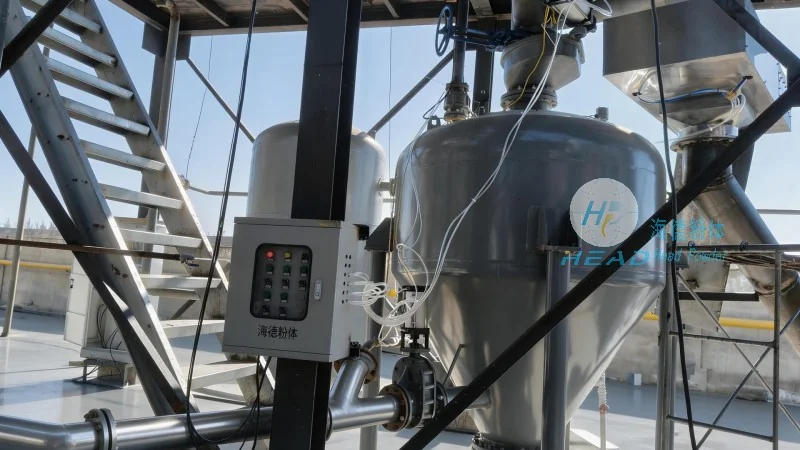
Introduction to Sintered Ash Conveying Systems
Sintered ash, a byproduct from sintering processes in metallurgical industries, requires efficient and safe transportation for processing and disposal. Conventional methods such as belt conveyors or manual handling may pose challenges related to dust control, material degradation, and operational safety. To address these issues, sintered ash conveying systems have been developed to ensure seamless and controlled movement of the material.
The core components of a sintered ash conveying system typically include a feeding hopper, a conveying pipeline, a control unit, and a discharge mechanism. The feeding hopper is designed to collect and store the sintered ash, ensuring a consistent flow into the system. The pipeline, often made of corrosion-resistant materials like stainless steel or special alloys, is engineered to handle the abrasive nature of sintered ash while minimizing wear and tear. The control unit manages the entire operation, regulating the flow rate, pressure, and other parameters to maintain optimal performance. The discharge mechanism safely releases the material at the desired location, preventing spills and contamination.
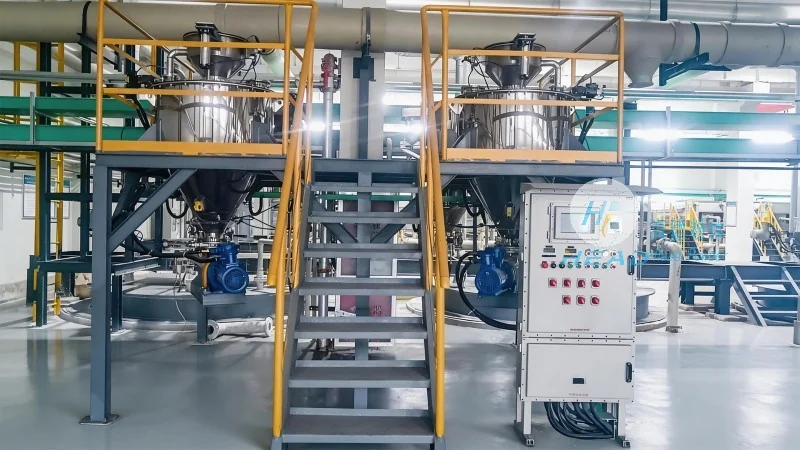
Advantages and Features of Sintered Ash Pneumatic Conveying
Pneumatic conveying, also known as air conveying, offers several advantages over traditional mechanical methods for transporting sintered ash. One of the key benefits is the ability to handle fine and dusty materials without the need for additional dust suppression equipment. The system uses compressed air to transport the material through a pipeline, reducing the risk of dust exposure and improving workplace safety. Additionally, pneumatic conveying systems can be designed for both dilute and dense phase operation, allowing for flexibility in handling different material characteristics.
Another significant advantage is the reduced maintenance requirements compared to mechanical conveyors. Since there are no moving parts in the pipeline, the system experiences lower wear and tear, leading to longer service life and lower operational costs. The compact design of pneumatic conveying systems also saves space in industrial facilities, making them suitable for installations with limited floor area. Furthermore, the system can be easily integrated with other processing equipment, such as storage silos or processing units, enabling a streamlined material flow from collection to final use or disposal.
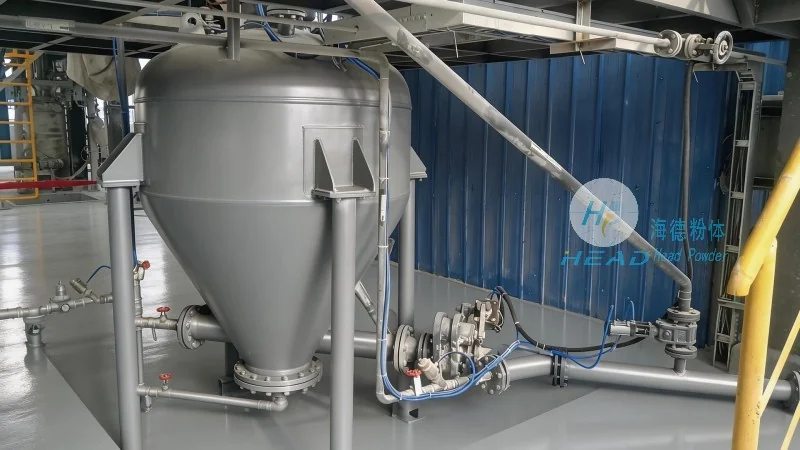
Efficiency and reliability are also critical aspects of sintered ash pneumatic conveying. The system can operate continuously with minimal downtime, ensuring a steady supply of sintered ash to downstream processes. Advanced control systems allow for real-time monitoring and adjustment of the conveying parameters, optimizing performance and reducing energy consumption. The ability to handle varying material loads and flow rates makes the system adaptable to changing production demands, providing a robust solution for industrial applications.
Conclusion
HeadPowder's sintered ash conveying systems, particularly the pneumatic conveying solutions, provide an efficient and safe method for transporting sintered ash in industrial settings. By leveraging advanced engineering and materials, these systems address the challenges associated with handling abrasive and dusty materials, ensuring optimal performance and minimal operational disruptions. With a commitment to quality and customer satisfaction, HeadPowder continues to deliver reliable solutions that meet the evolving needs of the metallurgical and related industries.