

Introduction to Sodium Dithionite Conveying Systems and the Advantages of Pneumatic Conveying
HeadPowder, a leading provider of specialized engineering solutions, specializes in the design, manufacturing, and installation of sodium dithionite conveying systems. Based in Shandong, China, the company has established itself as a trusted partner for industries requiring efficient and reliable handling of this critical chemical.
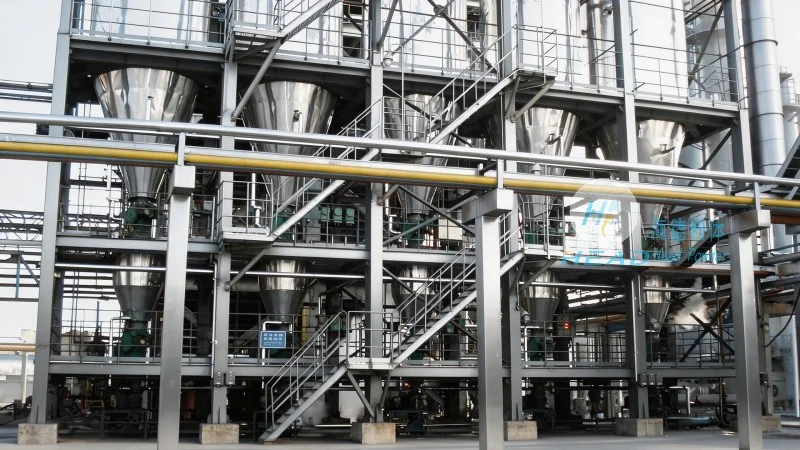
Understanding Sodium Dithionite Conveying Systems
Sodium dithionite, also known as hydros, is a highly reactive chemical widely used in various industrial applications, including the pulp and paper industry, as a bleaching agent and reducing agent. The safe and efficient transportation of this material is crucial for maintaining production efficiency and ensuring workplace safety. Conventional methods such as belt conveyors or bucket elevators may pose challenges due to the material's hygroscopic nature and potential for dust generation. To address these issues, pneumatic conveying systems have emerged as a preferred solution.
The Advantages of Pneumatic Conveying for Sodium Dithionite
Pneumatic conveying offers several key advantages over traditional mechanical methods for handling sodium dithionite. Firstly, it provides a dust-free environment, which is essential for maintaining air quality and reducing health risks associated with inhalation of the material. The enclosed system prevents dust from escaping into the workplace, aligning with stringent occupational safety regulations. Secondly, pneumatic conveyors enable a more flexible and compact layout, allowing for the integration of the system into existing production facilities without extensive modifications. This flexibility is particularly beneficial for plants with limited space or complex operational requirements.
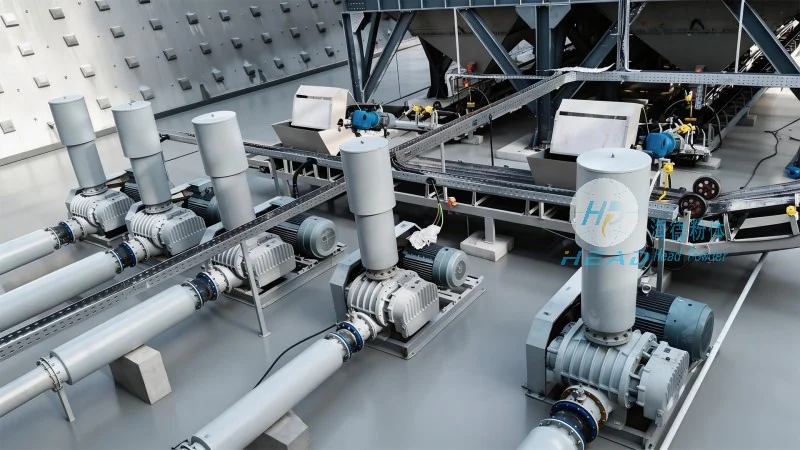
Thirdly, the system's ability to handle varying material flow rates and maintain consistent pressure ensures stable and reliable operation. Unlike mechanical conveyors that may experience downtime due to blockages or wear, pneumatic systems can adapt to changes in material characteristics, such as moisture content or particle size. This adaptability minimizes production interruptions and reduces maintenance costs over the long term. Additionally, the enclosed nature of the system reduces the risk of material contamination from external sources, preserving the purity of sodium dithionite, which is critical for its intended applications.
Key Components of a Pneumatic Conveying System for Sodium Dithionite
A typical pneumatic conveying system for sodium dithionite consists of several essential components that work in tandem to ensure efficient material transport. The system begins with a hopper or storage silo, where the sodium dithionite is stored under controlled conditions to prevent moisture absorption. From the hopper, a rotary valve or feeder controls the flow of material into the conveying line, ensuring a consistent feed rate. The conveying line itself is made of durable materials, such as stainless steel or high-density polyethylene, to withstand the corrosive nature of the chemical and resist wear from repeated material passage.
The heart of the system is the air compressor, which generates the necessary pressure to move the material through the line. The compressor is typically equipped with filtration and drying systems to maintain air quality and prevent moisture from entering the system, which could affect the material's properties. Downstream of the compressor, the conveying line connects to the delivery point, where the material is discharged into a receiving vessel or processing unit. The system may also include a venturi or eductor to assist in material acceleration, especially for longer conveying distances or higher material loads.
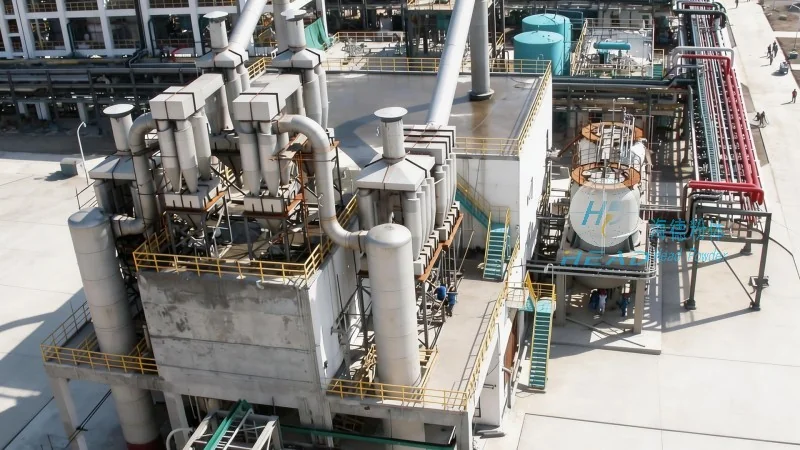
Customization and Integration by HeadPowder
HeadPowder Engineering Co., Ltd. specializes in tailoring pneumatic conveying systems to meet the specific needs of each client. The company's engineering team works closely with clients to assess their operational requirements, including material flow rates, conveying distances, and existing facility constraints. This collaborative approach ensures that the final system is optimized for performance, efficiency, and safety. HeadPowder's expertise extends to the integration of the conveying system with existing production lines, minimizing disruption during installation and ensuring seamless operation from day one.
The company's commitment to quality is reflected in its adherence to international standards and rigorous testing protocols. Each system is designed and manufactured to meet or exceed industry specifications, with a focus on durability and reliability. HeadPowder's team of experienced engineers and technicians provides comprehensive support, from initial consultation and system design to installation, commissioning, and ongoing maintenance. This comprehensive service model ensures that clients receive not only a high-quality product but also long-term support to maximize the system's performance and lifespan.