

Introduction to Furfural Ash Conveying System and the Advantages of Pneumatic Conveying
Furfural ash, a byproduct from the furfural production process, poses unique challenges in handling and disposal. Efficient and reliable transportation of this material is crucial for industrial operations, as improper handling can lead to environmental issues and operational inefficiencies. The development of specialized conveying systems has become essential to address these challenges, ensuring safe and effective movement of furfural ash from production sites to disposal or processing facilities.
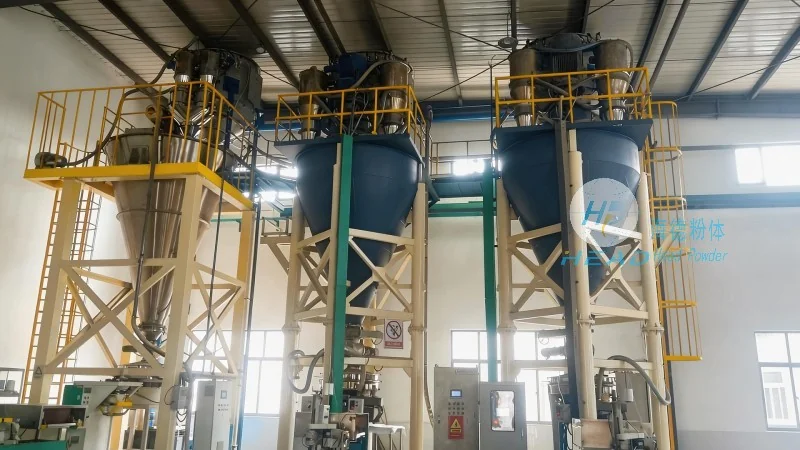
Overview of the Furfural Ash Conveying System
Shandong HeadPowder Engineering Co., Ltd., a leading provider of industrial material handling solutions, has developed a comprehensive furfural ash conveying system tailored to meet the specific demands of furfural manufacturing plants. The system integrates advanced pneumatic conveying technology, which offers significant advantages over traditional methods such as belt conveyors or manual handling. By utilizing air as the primary medium for material transport, the system minimizes the risk of dust exposure and contamination, while enhancing operational efficiency and safety.
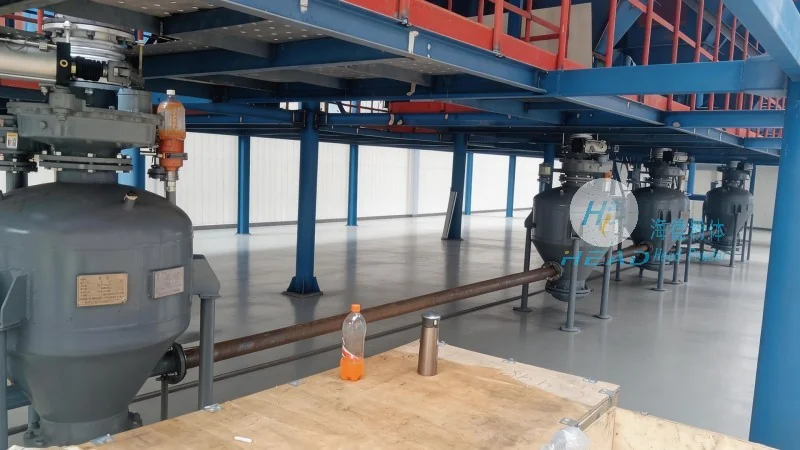
Key Advantages of Pneumatic Conveying for Furfural Ash
The pneumatic conveying method employed in the furfural ash system offers several key benefits that make it an ideal choice for industrial applications. Firstly, it provides a dust-free environment, reducing the risk of respiratory issues and environmental pollution. Secondly, the system enables high-speed and continuous material transport, which is crucial for maintaining production line efficiency. Additionally, the enclosed system design prevents material loss and contamination, ensuring compliance with environmental regulations. The flexibility of pneumatic conveying also allows for easy integration with existing production facilities, minimizing downtime during installation and operation.
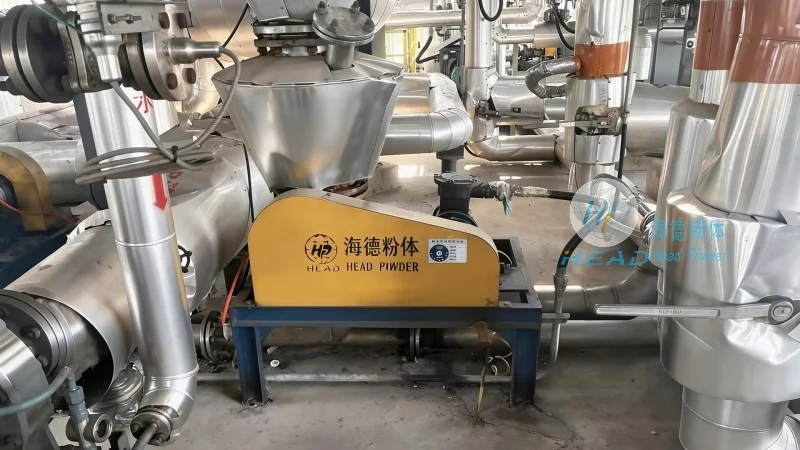
System Components and Operational Principles
The furfural ash conveying system consists of several critical components, each designed to work in harmony to achieve optimal performance. The primary components include a material hopper for storage and feeding, a rotary airlock valve to control material flow, a pneumatic conveying line with appropriate air pressure and flow rates, and a receiver or discharge unit for the final delivery of the ash. The system operates by introducing air into the conveying line, which creates a low-pressure zone that draws the furfural ash particles into the line. The air and material mixture is then transported to the destination, where the material is separated from the air using a cyclone separator or other filtration equipment. The separated air is then recirculated back into the system, ensuring energy efficiency and reduced operational costs.
Benefits for Industrial Clients
For furfural production facilities, implementing a pneumatic conveying system for ash management offers numerous advantages. The system reduces labor costs associated with manual handling and reduces the risk of accidents and injuries. It also improves overall production efficiency by ensuring a consistent and uninterrupted supply of ash to disposal or processing units. Furthermore, the system's environmental benefits, such as reduced dust emissions and improved air quality, contribute to a more sustainable and compliant operation. The reliability of the system, with minimal maintenance requirements and long service life, provides a cost-effective solution for long-term ash management.
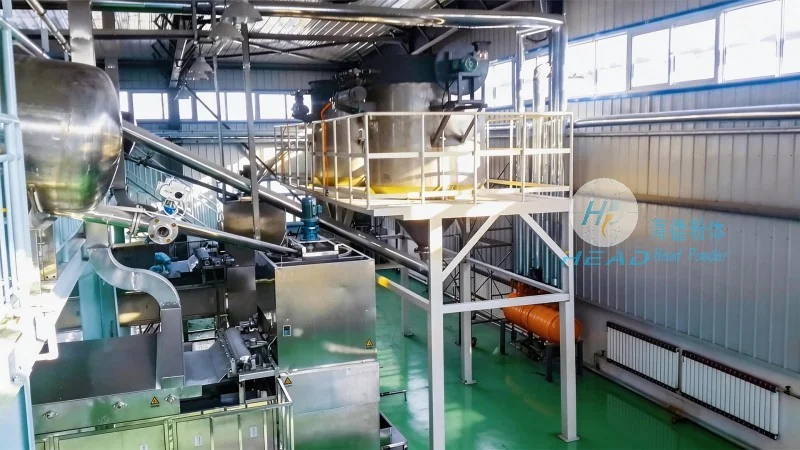
Conclusion
Shandong HeadPowder Engineering Co., Ltd.'s furfural ash conveying system represents a cutting-edge solution for the efficient and safe handling of furfural ash. By leveraging advanced pneumatic conveying technology, the system addresses the unique challenges associated with this industrial byproduct, offering benefits such as dust-free operation, high efficiency, and environmental compliance. With its robust design and reliable performance, the system is an ideal choice for furfural manufacturing plants seeking to optimize their ash management processes and enhance overall operational efficiency.