

Principles and Classification Applications of Dust Gas-Pneumatic Conveying
Gas-pneumatic conveying is a critical technology in industrial dust collection systems, enabling the efficient transport of collected dust from filtration units to storage or disposal points. This method utilizes compressed air to move particulate matter through a pipeline system, offering advantages such as reduced equipment wear, lower maintenance costs, and the ability to handle a wide range of dust types. The core principle involves creating a pressure differential that propels the dust particles through the pipeline, often with the assistance of airlocks or cyclones to control flow and prevent backflow.
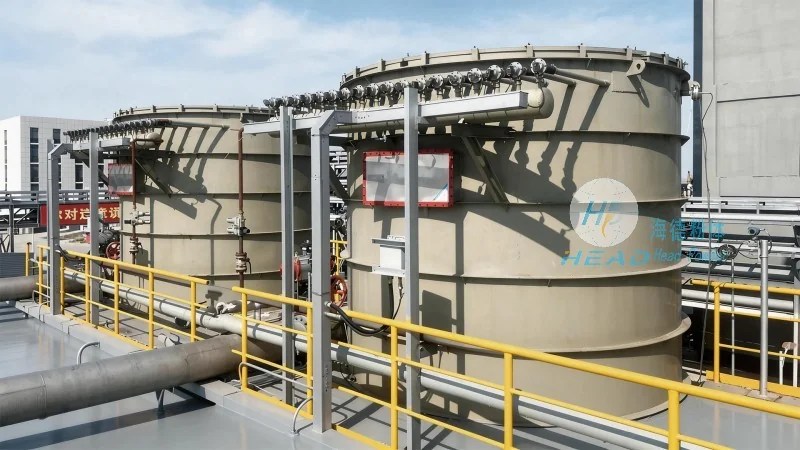
Working Principle of Dust Gas-Pneumatic Conveying
The fundamental mechanism of gas-pneumatic conveying for dust collection relies on the interaction between compressed air and the particulate material. When dust is collected from a filtration system, it is typically deposited in a hopper or collection bin. Compressed air is then introduced into the system, creating a flow that lifts and transports the dust particles through the pipeline. The velocity of the air and the size of the particles determine the conveying efficiency. Proper design of the pipeline, including diameter, length, and bends, is essential to maintain sufficient air velocity to prevent particle settling and ensure smooth transport. Airlocks or rotary valves may be used at the inlet and outlet to control the flow rate and prevent backpressure, which could impede the conveying process.
Classification of Dust Gas-Pneumatic Conveying Systems
Dust gas-pneumatic conveying systems are commonly classified based on the pressure differential maintained within the pipeline. The two primary categories are positive pressure and negative pressure systems. Positive pressure systems operate by blowing air into the pipeline, pushing the dust forward. These systems are often used for long-distance or high-capacity conveying and are suitable for handling abrasive or sticky dust. Negative pressure systems, on the other hand, draw air and dust into the pipeline using a vacuum source, such as a fan or ejector. This approach is ideal for applications requiring dust collection at multiple points or for handling fine particles that might be susceptible to re-entrainment. The choice between positive and negative pressure depends on factors like the distance to be covered, the dust characteristics, and the need for environmental control.
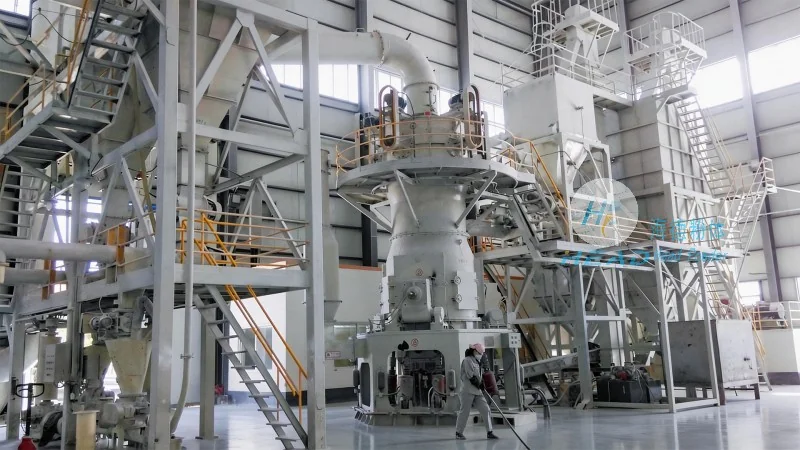
Key Components and Their Functions
Several key components are integral to the operation of a dust gas-pneumatic conveying system. The dust collection unit, such as a baghouse or cartridge filter, captures the particulate matter from the process air. The hopper or collection bin stores the collected dust, providing a reservoir for the conveying process. Compressed air is supplied by an air compressor, which generates the necessary pressure to drive the conveying. The pipeline network connects the collection point to the discharge point, with components like elbows, tees, and filters to maintain system efficiency. Airlocks or rotary valves regulate the flow of dust into the pipeline, preventing backflow and ensuring consistent operation. At the discharge end, a receiver or silo stores the conveyed dust, which can then be transferred to a disposal or recycling facility.
Applications in Industrial Settings
Dust gas-pneumatic conveying is widely applied across various industries to manage dust emissions and improve operational efficiency. In the cement industry, it is used to transport cement dust from baghouses to storage silos, ensuring minimal loss and consistent material handling. The steel and metal processing sectors employ this technology to convey dust from welding and grinding operations, reducing environmental impact and improving workplace safety. In the food and pharmaceutical industries, where dust control is critical for product quality and regulatory compliance, gas-pneumatic conveying helps maintain clean environments by efficiently removing airborne particulates. Additionally, in power plants and other combustion facilities, the system aids in the removal of fly ash from electrostatic precipitators, contributing to lower emissions and compliance with environmental standards.
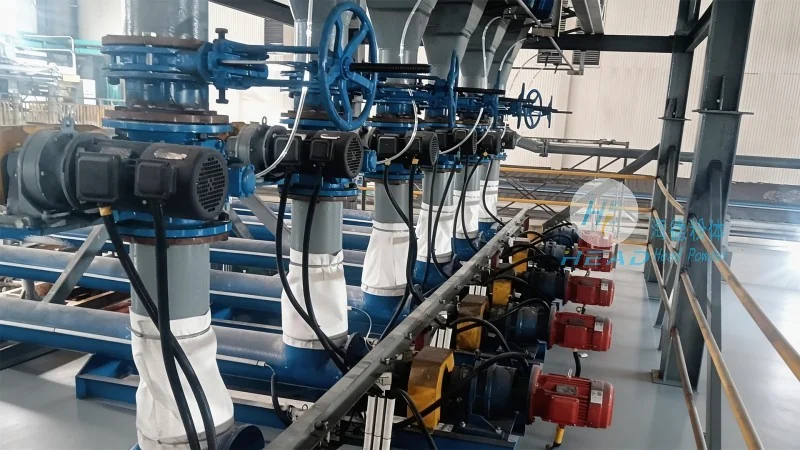
Advantages and Considerations
Gas-pneumatic conveying offers several advantages over traditional mechanical conveying methods. It eliminates the need for moving parts in the pipeline, reducing wear and tear and maintenance requirements. The system is also flexible, allowing for changes in conveying distance or capacity without major modifications. However, there are considerations to keep in mind. The cost of compressed air and the energy consumption of the system can be significant, especially for long-distance or high-volume applications. Additionally, the system may not be suitable for very fine or highly abrasive dusts, as these particles can cause increased wear on components or lead to blockages. Proper system design and maintenance are crucial to mitigate these challenges and ensure reliable operation.
Conclusion
Gas-pneumatic conveying is a vital technology in modern industrial dust management, providing an efficient and effective means of transporting collected dust from filtration systems. By understanding the working principles, classification of systems, and key components, industries can select the appropriate solution for their specific needs. As a leading provider in this field, Shandong HeadPowder Engineering Co., Ltd. specializes in designing and implementing custom dust gas-pneumatic conveying systems tailored to the unique requirements of each client. With a focus on innovation and quality, the company ensures that its solutions meet the highest standards of performance and reliability, contributing to improved operational efficiency and environmental compliance across various industrial sectors.