

Principle and Classification Application of Dust Gas-Pneumatic Conveying
HeadPowder, a leading provider in the field of dust handling and material transport solutions, specializes in gas-pneumatic conveying systems for dust and fine particulate materials. This article provides an in-depth overview of the working principles, classification, and practical applications of dust gas-pneumatic conveying technology, highlighting how such systems enhance efficiency and safety in industrial operations.
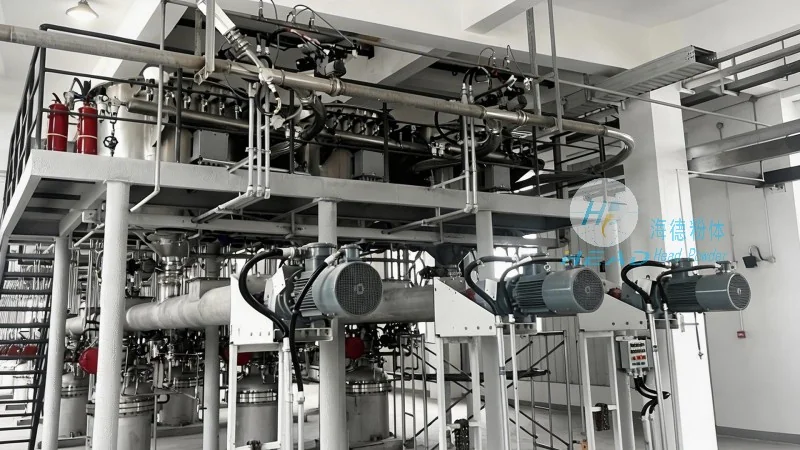
Company Introduction: Shandong HeadPowder Engineering Co., Ltd.
HeadPowder, operating from Shandong, China, is dedicated to delivering high-quality engineering solutions for dust management and material transport. With a focus on innovation and customer-centric design, the company has established itself as a trusted partner for industries requiring reliable and efficient dust handling systems. The expertise of HeadPowder lies in developing customized gas-pneumatic conveying systems that meet the specific needs of clients, ensuring optimal performance and minimal operational disruptions.
Understanding Dust Gas-Pneumatic Conveying: Core Principles
The fundamental principle of dust gas-pneumatic conveying involves the use of compressed air or other gas to transport dry, fine materials such as dust, powders, and granules through a pipeline system. This method eliminates the need for mechanical components like belts or buckets, reducing maintenance costs and enhancing operational reliability. The process typically operates by creating a pressure differential within the pipeline, where the gas flow propels the material particles forward. Key components of a gas-pneumatic conveying system include a blower or compressor, a hopper for material storage, a pipeline network, and a receiver for the delivered material. The selection of the appropriate gas type and pressure level is critical to ensure efficient transport and prevent material degradation or blockages.
Classification of Dust Gas-Pneumatic Conveying Systems
Dust gas-pneumatic conveying systems are broadly classified into two main categories based on the direction of material flow and the pressure applied: aspiration (suction) systems and pressure (blow) systems. Each type has distinct characteristics and is suited to different operational requirements.
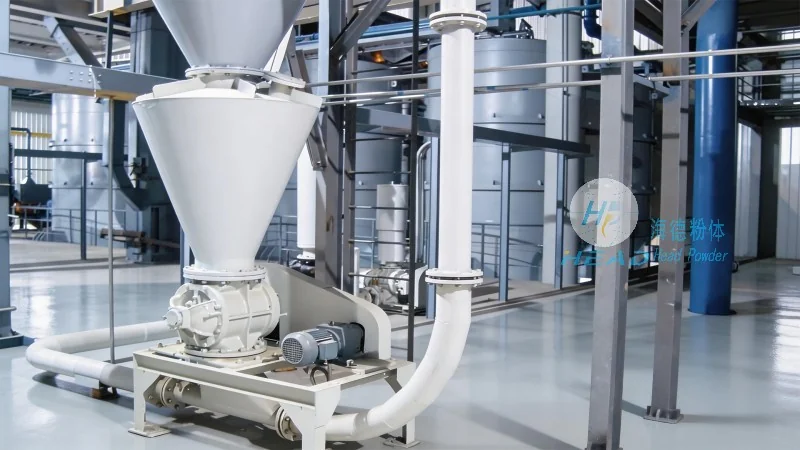
Aspiration (Suction) Systems
Aspiration systems operate under negative pressure, drawing material from a source point into the pipeline using a vacuum created by a fan or ejector. These systems are ideal for applications where the material is located at a higher elevation or needs to be collected from multiple points. The primary advantage of aspiration systems is their ability to handle materials with a wide range of particle sizes and moisture content, as the low pressure prevents material degradation. However, they are generally limited to shorter transport distances and lower material flow rates compared to pressure systems.
Pressure (Blow) Systems
Pressure systems utilize positive pressure to push material through the pipeline, typically using a blower or compressor to generate the necessary air flow. These systems are suitable for longer transport distances and higher material throughput, making them ideal for bulk material handling in industrial settings. Pressure systems offer greater flexibility in terms of pipeline layout and can handle a wider variety of materials, including those with higher moisture content or abrasive properties. The main challenge with pressure systems is managing the pressure differentials and preventing material buildup or blockages in the pipeline.
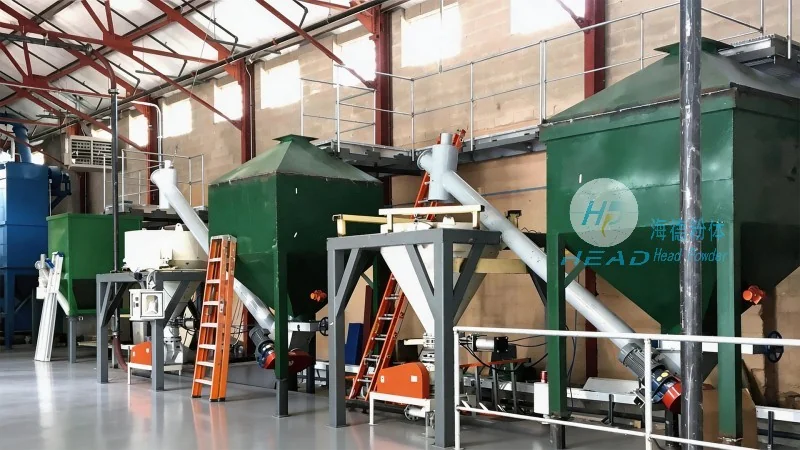
Applications of Dust Gas-Pneumatic Conveying
The versatility of dust gas-pneumatic conveying makes it applicable across a wide range of industries. In the mining sector, these systems are used to transport coal, ore, and other mineral powders from processing plants to storage facilities or for further processing. The chemical industry relies on gas-pneumatic conveying for handling powders such as cement, lime, and various chemicals, ensuring safe and efficient material transport within production lines. The food and pharmaceutical industries also benefit from this technology, as it allows for the handling of sensitive materials without contamination or degradation. Additionally, in the construction industry, dust gas-pneumatic conveying is used for transporting cement, sand, and other building materials, improving operational efficiency and reducing manual handling risks.
Advantages of Dust Gas-Pneumatic Conveying
Compared to traditional mechanical conveying methods, dust gas-pneumatic conveying offers several advantages that make it a preferred choice for many industrial applications. One of the key benefits is the elimination of mechanical components, which reduces maintenance costs and extends the lifespan of the system. The absence of moving parts also minimizes the risk of material contamination and ensures a cleaner working environment. Additionally, gas-pneumatic conveying systems can handle materials with varying particle sizes and moisture content, providing flexibility in material handling. The technology is also energy-efficient, as the use of compressed air can be optimized to match the transport requirements, reducing operational costs. Furthermore, these systems are compact and can be easily integrated into existing industrial setups, making them suitable for both new and retrofit applications.
Conclusion
Gas-pneumatic conveying systems represent a sophisticated and efficient solution for the transport of dust and fine particulate materials in various industrial sectors. By understanding the core principles, classification, and applications of such systems, industries can make informed decisions to enhance their operational efficiency and safety. HeadPowder, with its expertise and commitment to quality, continues to provide tailored gas-pneumatic conveying solutions that meet the evolving needs of modern industrial operations, ensuring reliable and sustainable material transport.