

[Rapeseed Pneumatic Conveying: Working Principles and Classification Applications]
HeadPowder, a leading engineering firm based in Shandong, China, specializes in the design and implementation of pneumatic conveying systems tailored for rapeseed handling. This article provides an in-depth exploration of the fundamental principles governing rapeseed pneumatic conveying, alongside a detailed classification of its various applications in industrial settings.
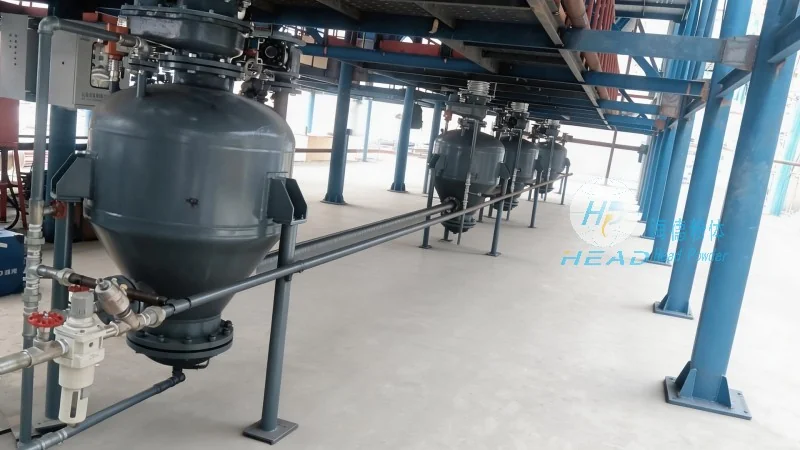
Understanding Pneumatic Conveying Systems for Rapeseed
Pneumatic conveying is a critical technology in the agricultural and food processing industries, enabling the efficient transport of bulk materials like rapeseed from one location to another without the need for mechanical components such as belts or buckets. The core principle involves the use of air to move material through a pipeline system, where the material is either suspended in a stream of air (in the case of dilute-phase conveying) or transported in a dense, high-pressure stream (in the case of dense-phase conveying). For rapeseed, which is typically a light, powdery or granular material, the choice of conveying system depends on factors like material properties, distance, and the required flow rate.
Key Working Principles of Rapeseed Pneumatic Conveying
The operation of a pneumatic conveying system for rapeseed revolves around several key principles. First, the system must generate sufficient air pressure or vacuum to overcome the gravitational and frictional forces acting on the material. In positive-pressure systems, a blower or fan supplies compressed air to push the material through the pipeline, while negative-pressure systems use a vacuum pump to draw the material into the system. The velocity of the air stream is a critical parameter, as it must be high enough to keep the rapeseed particles suspended and prevent blockages or deposition. Additionally, the system must be designed to handle the specific characteristics of rapeseed, including its density, moisture content, and potential for dust generation, to ensure reliable and efficient operation.
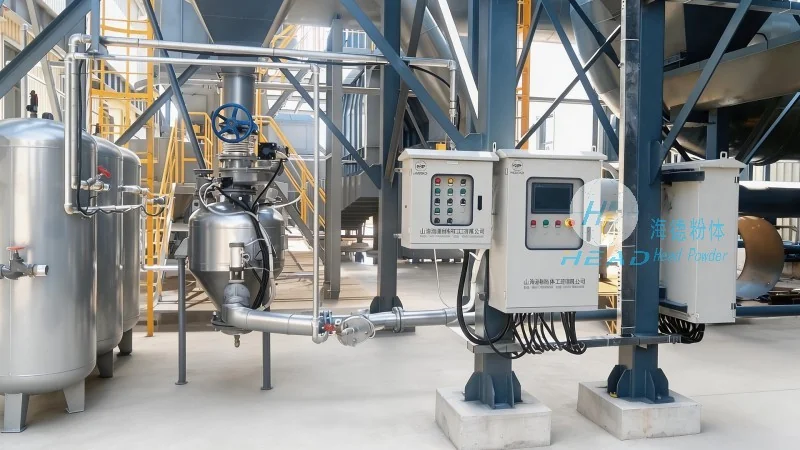
Classification of Pneumatic Conveying Systems for Rapeseed
Pneumatic conveying systems for rapeseed are broadly classified into two main categories: dilute-phase and dense-phase systems. Dilute-phase systems are commonly used for short to medium-distance transport, where the material is carried in a low concentration within the air stream. These systems are typically more cost-effective and easier to install, making them suitable for applications such as transferring rapeseed from storage bins to processing equipment. Dense-phase systems, on the other hand, transport the material in a high concentration, often with the air acting as a carrier for a larger volume of material. This method is ideal for longer distances or when the material is prone to degradation, as it minimizes exposure to air and reduces the risk of clogging. Within these categories, subtypes include horizontal, vertical, and mixed-direction systems, each tailored to specific operational requirements.
Applications of Pneumatic Conveying in Rapeseed Processing
The versatility of pneumatic conveying systems makes them indispensable in various stages of rapeseed processing. In the initial handling phase, dilute-phase systems are often employed to move rapeseed from field storage to processing facilities, where it is cleaned and prepared for further processing. During the extraction of oil, dense-phase systems may be used to transport the material through the extraction machinery, ensuring a consistent flow and minimizing the risk of material degradation. Additionally, pneumatic conveying is utilized in the production of rapeseed meal and cake, where the material is transported to storage silos or packaging equipment. The ability to handle both raw and processed rapeseed makes these systems a vital component of modern rapeseed processing operations.
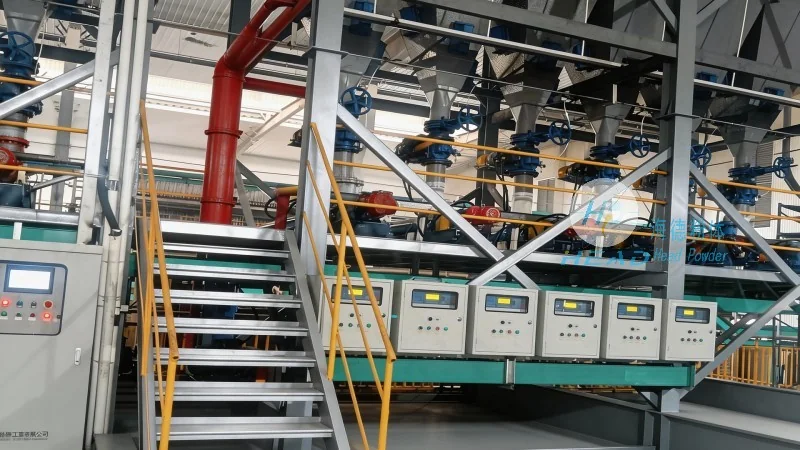
Advantages and Considerations for Rapeseed Pneumatic Conveying
Implementing pneumatic conveying systems for rapeseed offers several advantages, including reduced labor costs, improved safety by eliminating manual handling, and the ability to transport material over long distances without the need for intermediate storage. However, there are also considerations to keep in mind. For instance, the system must be designed to handle the potential for dust generation, as rapeseed can produce fine particles that may affect air quality and equipment performance. Additionally, the material's moisture content and temperature can impact the system's efficiency, requiring proper monitoring and control. HeadPowder, with its expertise in engineering, provides tailored solutions that address these considerations, ensuring optimal performance and longevity of the conveying system.
Conclusion
Pneumatic conveying systems represent a sophisticated and efficient method for handling rapeseed, offering numerous benefits over traditional mechanical systems. By understanding the working principles and classification of these systems, industries can select the most appropriate solution for their specific needs. With its roots in Shandong, China, HeadPowder Engineering Co., Ltd. continues to lead in the development and application of advanced pneumatic conveying technologies, supporting the rapeseed processing industry with reliable and effective solutions.