

Principles and Classification Applications of Potash Fertilizer Pneumatic Conveying
Shandong HeadPowder Engineering Co., Ltd., commonly known as HeadPowder, specializes in advanced engineering solutions for the agricultural and industrial sectors. The company is headquartered in Shandong, China, and has built a strong reputation for delivering efficient and reliable pneumatic conveying systems tailored to the unique needs of fertilizer processing, including potash fertilizer. This article explores the fundamental principles of potash fertilizer pneumatic conveying, outlines the key classification systems used in the industry, and discusses practical applications that demonstrate the technology's versatility and effectiveness.
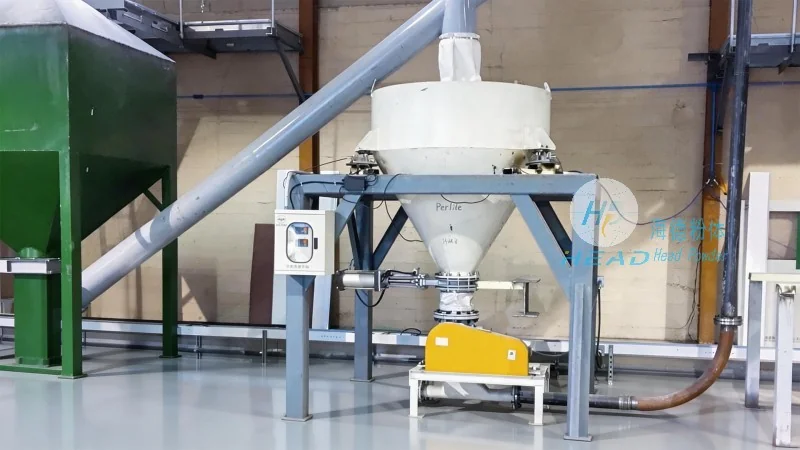
Understanding the Core Principles of Potash Fertilizer Pneumatic Conveying
Potash fertilizer, a critical component in modern agriculture, requires specialized handling due to its granular or powder form and varying moisture content. Pneumatic conveying offers a non-contact, low-cost method to transport these materials from storage silos to processing units or packaging lines. The technology relies on the movement of air or gas to transport bulk materials through a pipeline system. Two primary modes of operation dominate the industry: pressure and vacuum (or suction) systems. In pressure systems, a positive pressure is maintained within the pipeline, pushing the material forward using a blower or compressor. Conversely, vacuum systems create a negative pressure, drawing material into the pipeline using a vacuum pump. The choice between these modes depends on factors such as the distance of transport, the material's properties, and the overall system layout. For potash fertilizer, which often has a relatively low density and can be prone to dust generation, pressure systems are frequently preferred due to their ability to handle larger volumes and maintain consistent flow rates. The process typically involves a hopper or feeder that feeds the material into the pipeline, where it is mixed with air under controlled conditions. The air-material mixture then travels through the pipeline to the discharge point, where it is separated from the air and collected. This separation is achieved through cyclones, filters, or other separation equipment, ensuring that the potash fertilizer is delivered in a clean, dust-free state. The efficiency of the system is influenced by several variables, including the air velocity, the material's bulk density, and the pipeline diameter. Proper design and maintenance are essential to prevent blockages, which can lead to system downtime and material loss. HeadPowder engineers have extensive experience in optimizing these parameters for potash fertilizer, ensuring that their systems operate at peak efficiency and minimize operational costs.
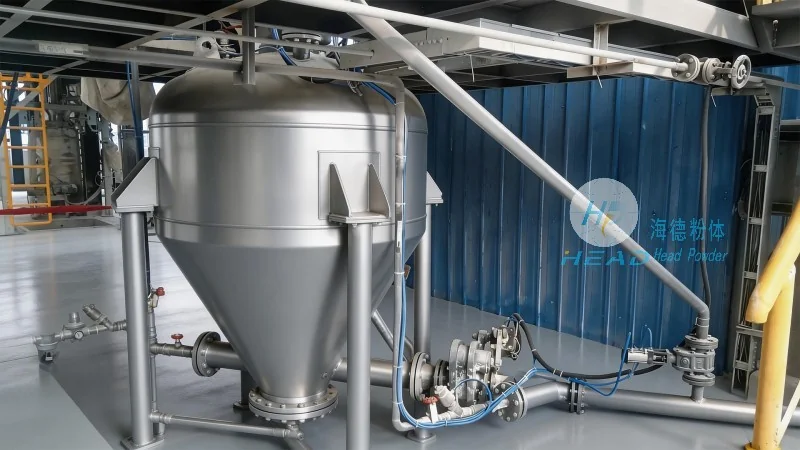
Classification of Potash Fertilizer Pneumatic Conveying Systems
The industry classifies pneumatic conveying systems based on several criteria, including the pressure differential, the method of material feeding, and the system's overall configuration. The most common classifications are pressure, vacuum, and mixed (or hybrid) systems. Pressure systems, as mentioned earlier, use positive pressure to move material and are suitable for short to medium distances, typically up to several hundred meters. They are ideal for applications where the material needs to be transported from a silo to a processing plant or a packaging line. Vacuum systems, on the other hand, are better suited for longer distances or when the material must be drawn from multiple sources. They are often used in applications where the material is located at a higher elevation or where the system needs to handle a wide range of particle sizes. Mixed systems combine elements of both pressure and vacuum, offering flexibility in handling different material types and system configurations. Within these categories, sub-classifications exist based on the air velocity and the material's flow characteristics. For example, low-velocity systems use slower air speeds to minimize material degradation and are suitable for delicate or high-value products. High-velocity systems, conversely, use faster air speeds to achieve longer transport distances but may require more energy and can be more prone to wear on the pipeline components. The choice of classification depends on the specific requirements of the potash fertilizer application, including the distance of transport, the material's properties, and the available space for the system. HeadPowder's expertise lies in designing systems that match these specific needs, ensuring optimal performance and reliability.
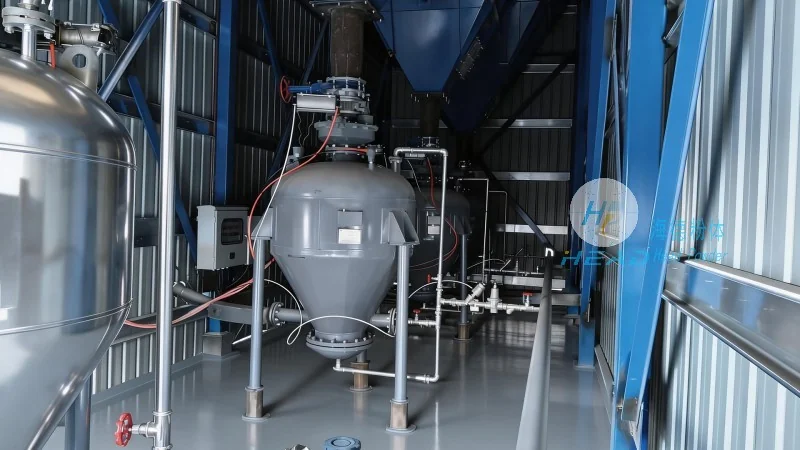
Practical Applications and Case Studies
Potash fertilizer pneumatic conveying systems are widely used in various stages of the fertilizer production and distribution process. One of the most common applications is the transfer of raw potash from storage silos to the granulation or compaction units. In this scenario, a pressure system is typically employed to move the material efficiently from the silo to the processing equipment. The system is designed to handle large volumes of material, often several tons per hour, and to maintain a consistent flow rate to avoid overloading the processing equipment. Another application is the transport of finished potash fertilizer from the processing line to the packaging and loading areas. Here, the system may need to handle different grades of fertilizer, each with varying particle sizes and moisture content. The flexibility of pneumatic conveying allows for the handling of these diverse materials without the need for multiple transfer systems. HeadPowder has successfully implemented such systems in numerous agricultural facilities, improving the overall efficiency of the production process and reducing labor costs. For example, a client in Shandong, China, implemented a pressure pneumatic conveying system to transfer potash from storage silos to the granulation plant. The system was designed to handle 50 tons per hour and reduced the time required for material transfer from several hours to just 15 minutes. This improvement allowed the client to increase production capacity and reduce operational costs by approximately 20%. Another application is the use of pneumatic conveying in the distribution of potash fertilizer to farms. While this is less common due to the scale of the operation, small-scale systems are used to transport fertilizer from storage tanks to application equipment on the farm. These systems are typically vacuum-based and are designed to handle smaller volumes of material, often in the range of 1 to 5 tons per hour. The portability and ease of installation of these systems make them suitable for on-farm use. HeadPowder's expertise in designing and manufacturing these systems ensures that they are tailored to the specific needs of each application, whether it's for large-scale industrial production or small-scale agricultural use.
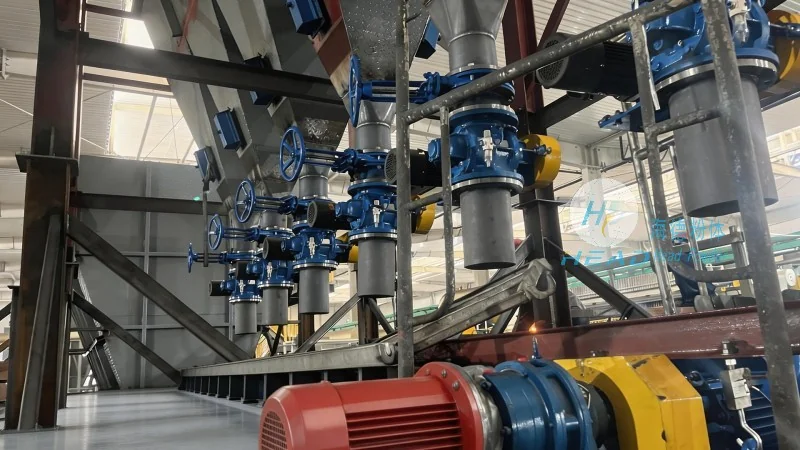
Advantages and Considerations for Potash Fertilizer Pneumatic Conveying
Pneumatic conveying systems offer several advantages over traditional mechanical conveying methods for potash fertilizer. The primary advantage is the non-contact nature of the system, which prevents material contamination and reduces wear on the equipment. This is particularly important for potash fertilizer, which is often used in sensitive agricultural applications and must be free from impurities. Additionally, pneumatic conveying systems are more flexible in terms of layout, as they can be installed in a variety of configurations to accommodate different facility layouts. The ability to transport material over long distances without the need for multiple transfer points reduces the overall system complexity and cost. However, there are also considerations that must be taken into account when implementing a pneumatic conveying system for potash fertilizer. One of the main challenges is the potential for material degradation due to high air velocities or prolonged exposure to air. This can affect the quality of the fertilizer and reduce its effectiveness. To mitigate this, HeadPowder's systems are designed with low-velocity options and appropriate separation equipment to minimize material contact with air. Another consideration is the energy consumption of the system, as both pressure and vacuum systems require significant power to operate. However, the long-term operational costs are often lower than mechanical systems due to reduced maintenance and labor costs. The choice of system also depends on the specific properties of the potash fertilizer, such as its bulk density, particle size distribution, and moisture content. For example, a system designed for a fine-grained potash fertilizer may require different air velocities and pipeline diameters compared to a system for a coarse-grained product. HeadPowder's engineers conduct thorough material analysis and system simulations to ensure that the system is optimized for the specific potash fertilizer being handled. This approach ensures that the system operates efficiently and reliably, providing long-term benefits to the client.