

Principle and Classification Application of Aluminum Flake Pneumatic Conveying
Aluminum flake, a key material in various industrial applications, requires efficient and reliable handling methods to ensure quality and safety. Pneumatic conveying systems offer a solution by transporting aluminum flakes through air, providing a clean and controlled process. This article explores the working principles and classification applications of aluminum flake pneumatic conveying, highlighting the technology's importance in modern material handling. The information is provided by Shandong HeadPowder Engineering Co., Ltd., a leading provider of specialized conveying solutions based in China.
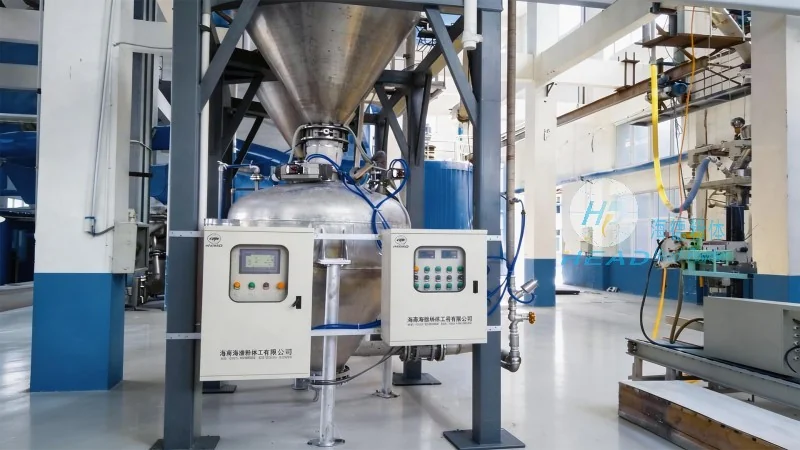
Working Principle of Aluminum Flake Pneumatic Conveying
The core of aluminum flake pneumatic conveying lies in the use of air as the conveying medium. The process typically involves a hopper where aluminum flakes are stored, a blower or compressor that generates the air flow, and a pipeline system that transports the material. As air is introduced into the hopper, it lifts the aluminum flakes and carries them through the pipeline to the destination. The system can be categorized into two main types: dilute phase and dense phase, each with distinct characteristics and applications.
Dilute Phase Pneumatic Conveying
Dilute phase systems are characterized by low material concentration in the air stream, typically around 1-5% by volume. This method is suitable for transporting aluminum flakes over short to medium distances, with relatively low material load. The air velocity in dilute phase systems is high enough to keep the material suspended, ensuring smooth transport. However, it may not be ideal for long-distance or high-volume applications due to potential material degradation or system wear. Dilute phase conveying is often used in scenarios where the aluminum flakes are sensitive to friction or require minimal contact with the conveying system.
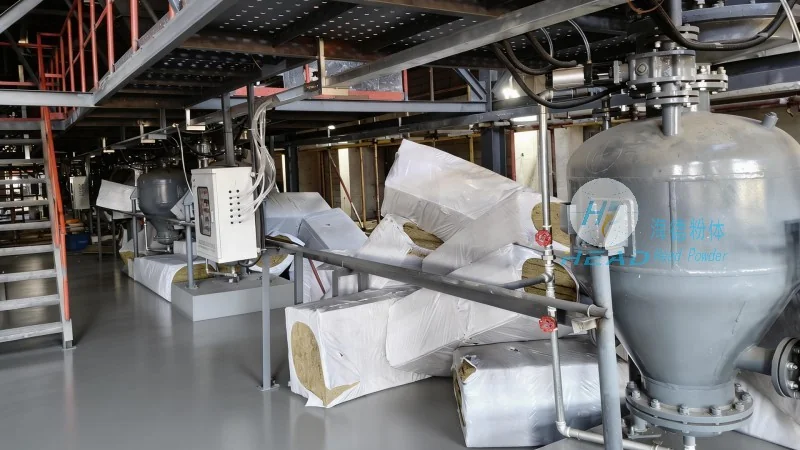
Dense Phase Pneumatic Conveying
Dense phase systems, also known as low-velocity conveying, operate at higher material concentrations, usually 10-20% by volume. The air velocity is lower, which allows the aluminum flakes to travel in a more compact form, reducing the risk of material degradation and wear on the pipeline. This method is suitable for long-distance transportation and high-volume applications, making it ideal for industrial settings where aluminum flakes need to be moved over significant distances without compromising quality. Dense phase conveying provides better control over the material flow, ensuring consistent delivery to the target location.
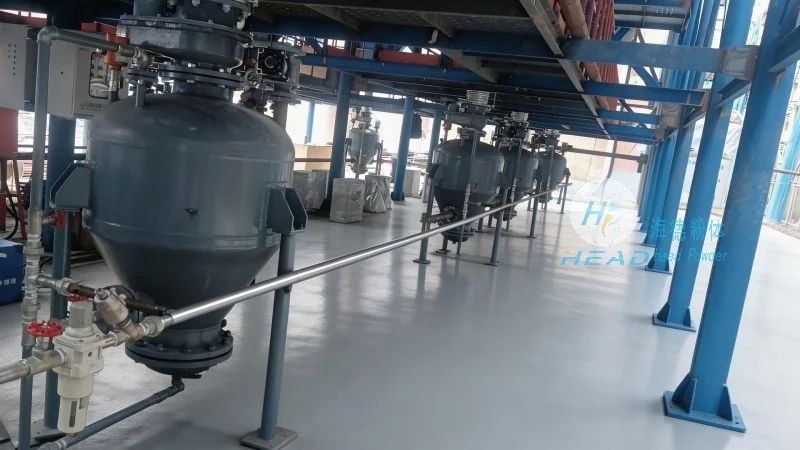
Application Classification of Aluminum Flake Pneumatic Conveying
The application of aluminum flake pneumatic conveying is diverse, catering to various industrial needs. In the automotive industry, aluminum flakes are used in the production of aluminum alloys, and pneumatic conveying ensures efficient transport from storage to processing units. The aerospace sector also relies on aluminum flakes for lightweight components, where the conveying system must maintain high purity and minimal contamination. Additionally, in the chemical and food industries, aluminum flakes may be used as additives or coatings, requiring a clean and hygienic conveying process. The choice of system (dilute or dense phase) depends on the specific application requirements, such as distance, material volume, and quality standards.
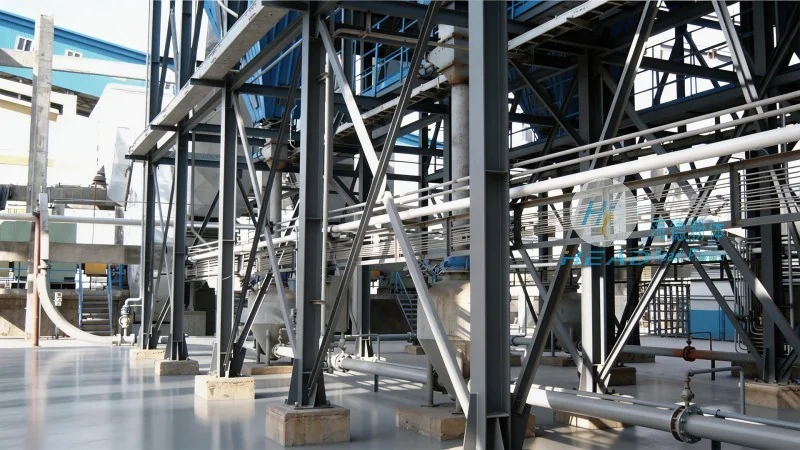
Advantages of Aluminum Flake Pneumatic Conveying
Compared to traditional methods like belt conveyors or bucket elevators, aluminum flake pneumatic conveying offers several advantages. The system is enclosed, preventing dust and contamination, which is crucial for maintaining the quality of aluminum flakes. It also reduces the risk of material degradation due to friction or impact, as the material is suspended in air rather than moving in contact with equipment. Furthermore, pneumatic conveying systems are flexible and can be easily integrated into existing production lines, allowing for modifications and expansions as needed. The energy efficiency of the system, especially in dense phase applications, makes it a cost-effective solution for long-term use.
Considerations for Implementing Aluminum Flake Pneumatic Conveying
When implementing an aluminum flake pneumatic conveying system, several factors must be considered to ensure optimal performance. The material characteristics of the aluminum flakes, such as size, shape, and moisture content, play a significant role in system design. Larger or irregularly shaped flakes may require adjustments to the hopper and pipeline to prevent blockages. The distance and volume of material to be transported also influence the choice between dilute and dense phase systems. Additionally, the system's maintenance and operational costs must be evaluated, as pneumatic conveying systems require regular checks of air filters, blower performance, and pipeline integrity. Proper training for operators and regular system maintenance are essential to ensure the longevity and efficiency of the conveying system.