

Principle and Classification Application of Soap Granule Pneumatic Conveying
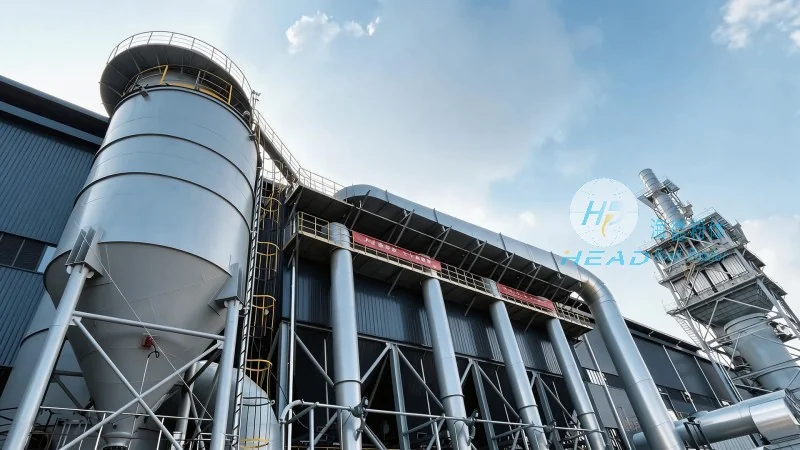
Soap granule pneumatic conveying is a critical technology in material handling, particularly for transporting soap granules efficiently and safely. This article provides an in-depth overview of the fundamental principles, classification methods, and practical applications of this technology, catering to industry professionals seeking to understand and implement effective material transport solutions.
Introduction to Soap Granule Pneumatic Conveying
Pneumatic conveying systems utilize air or gas to transport solid materials, such as soap granules, through a pipeline network. The process relies on creating a pressure differential to move the material from the source to the destination. This method offers significant advantages over traditional mechanical conveying, including reduced contamination, enhanced safety, and the ability to handle materials in diverse environments. For soap granules, which are commonly used in manufacturing processes like detergent production or personal care product formulation, efficient transportation is essential to maintain product quality and ensure operational continuity.
Core Principles of Pneumatic Conveying
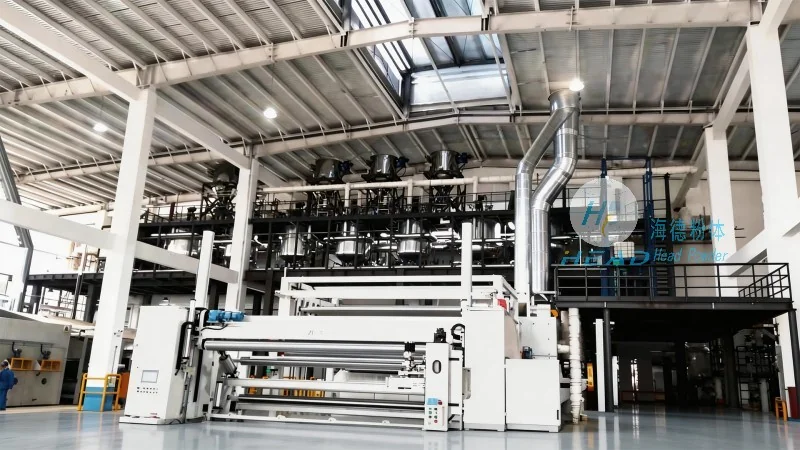
The fundamental principle of pneumatic conveying is the use of air flow to suspend and transport solid particles. Two primary operational modes exist: dilute phase and dense phase. In dilute phase conveying, the material is suspended in the air stream, enabling high-speed transport over extended distances. Dense phase conveying involves a slower, more controlled flow where the material moves in a plug or slurry form, minimizing the risk of product degradation and equipment wear. The selection between these modes depends on factors like material properties, required distance, and flow rate. For soap granules, which are typically light and free-flowing, dilute phase systems are often preferred due to their efficiency and lower energy consumption.
Classification of Pneumatic Conveying Systems
Pneumatic conveying systems can be classified based on the pressure used to move the material. The main categories include:
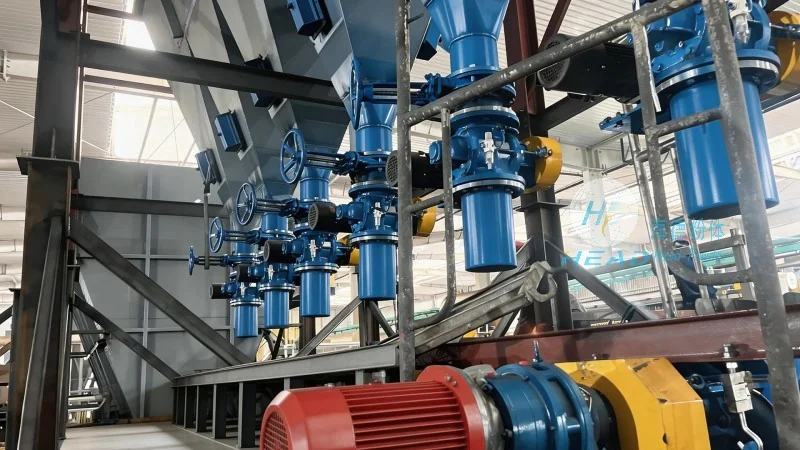
- Absorption (Vacuum) Systems: These systems employ a vacuum to draw material from the source to the conveying line. They are well-suited for applications where the material needs to be transported from a lower elevation or from multiple points to a central collection point. The vacuum is generated by a fan or a vacuum pump, and the material is carried by the air stream as it travels through the pipeline.
- Compression (Pressure) Systems: In contrast, compression systems use compressed air to push the material through the pipeline. These systems are ideal for transporting materials over longer distances or to higher elevations. The pressure is maintained by a compressor, and the material is forced through the pipeline, often with the aid of a positive displacement blower or a rotary lobe pump.
- Combined Systems: Some applications may require a combination of both vacuum and pressure modes. For instance, a system might use a vacuum to draw material from a hopper and then utilize compressed air to boost the flow to the destination. This approach offers flexibility in handling different material characteristics and operational requirements.
Application Scenarios for Soap Granule Pneumatic Conveying
Soap granules are widely utilized across various industries, and their efficient transportation is vital for maintaining production efficiency. The following are common application scenarios where pneumatic conveying is applied:
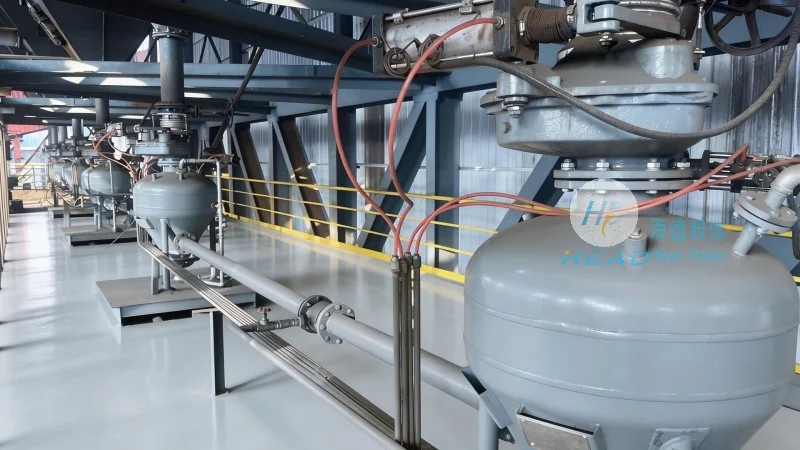
- Detergent Manufacturing: In the production of laundry detergents or dishwashing soaps, soap granules need to be transported from storage silos to mixing and packaging lines. Pneumatic conveying ensures that the granules are moved without breaking their structure, preserving the product's quality and effectiveness.
- Personal Care Product Formulation: For the manufacturing of body washes, shampoos, or other personal care products, soap granules are often blended with other ingredients. Pneumatic conveying allows for precise and hygienic transfer of the granules into the mixing tanks, minimizing contamination and ensuring consistent product composition.
- Industrial Cleaning and Sanitation: In industrial settings, soap granules may be used for cleaning equipment or maintaining hygiene standards. Pneumatic conveying systems can efficiently deliver the granules to cleaning stations or storage areas, supporting routine maintenance and operational efficiency.
Key Considerations for Implementing Soap Granule Pneumatic Conveying
When implementing a pneumatic conveying system for soap granules, several factors must be considered to ensure optimal performance and equipment longevity:
- Material Properties: The size, shape, and density of soap granules influence the choice of conveying system. For example, fine granules may require more careful handling to prevent clogging, while larger granules may need higher air velocities to maintain suspension.
- System Design and Sizing: Proper system design, including pipeline diameter, length, and the type of air mover (fan or compressor), is crucial. Incorrect sizing can lead to excessive energy consumption, reduced conveying efficiency, or equipment damage.
- Equipment Maintenance: Regular maintenance of the conveying system, such as cleaning filters, checking for air leaks, and inspecting pipeline components, is essential to prevent downtime and maintain product quality.
- Environmental and Safety Factors: Pneumatic conveying systems must comply with safety regulations and environmental standards. Proper ventilation and dust control measures are necessary to ensure a safe working environment, especially when handling materials that may produce dust or fumes.
Conclusion
Pneumatic conveying technology plays a vital role in the efficient and safe transportation of soap granules across various industrial applications. By understanding the core principles, classification of systems, and key considerations for implementation, businesses can select and operate the most suitable pneumatic conveying solutions. As a leading provider in this field, Shandong HeadPowder Engineering Co., Ltd. specializes in designing and manufacturing customized pneumatic conveying systems tailored to the specific needs of soap granule handling, ensuring reliable and efficient material transport for their clients. With a focus on quality and innovation, the company serves industries worldwide, providing solutions that enhance productivity and product integrity.